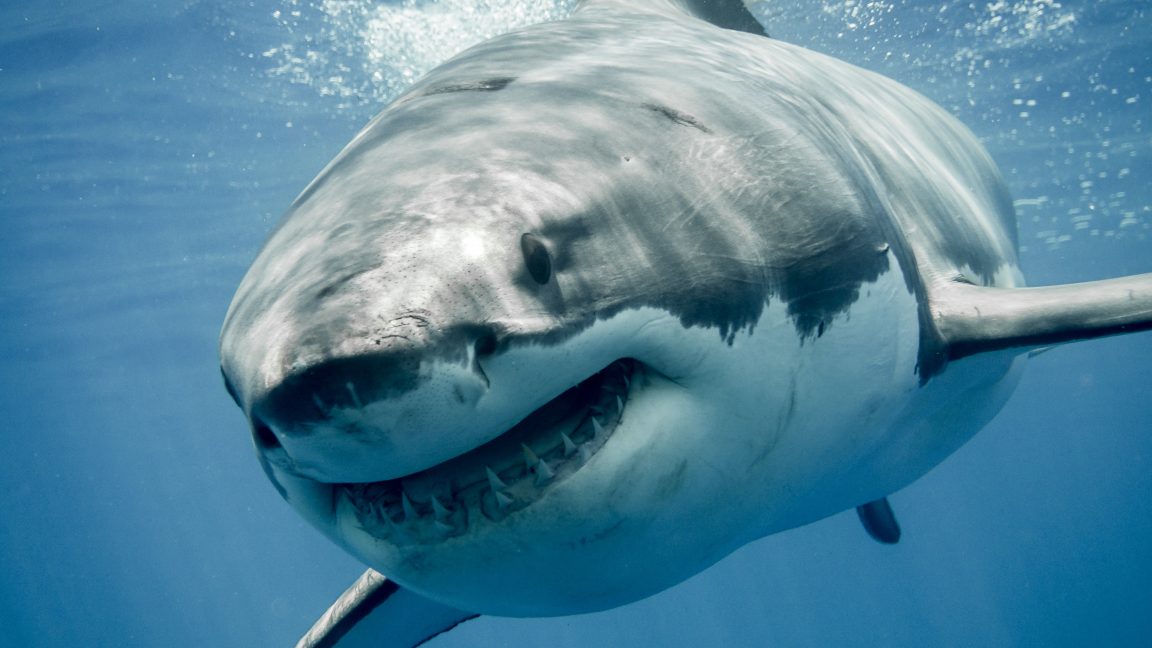
""These species are being pushed closer to their physiological limits, which could have consequences for where they can live and how they survive. These animals are already operating on a tight energy budget, and climate change is narrowing their options even further.""
""Discovering these 'hidden heat budgets' could prove critical to any hope of conserving them or mapping protection areas, researchers said.""
""Many local and international conservation narratives now position the great white not as a villain, but as a keystone species essential to maintaining ocean health.""
""Though thermal relocation may be a contributor, their population decline is also linked to a history of overfishing, shark netting, and habitat destruction.""
Mesotherm apex predators are facing significant threats from climate change, which pushes them closer to their physiological limits. This affects their survival and habitat. Researchers have used sensors to measure heat production in fish, revealing that warm-bodied sharks struggle in higher temperatures. In South Africa, great whites serve as sentinel species, indicating shifts in marine ecosystems. Their decline is attributed to thermal relocation, overfishing, shark netting, and habitat destruction, highlighting the need for conservation efforts to protect these keystone species.
Read at Ars Technica
Unable to calculate read time
Collection
[
|
...
]