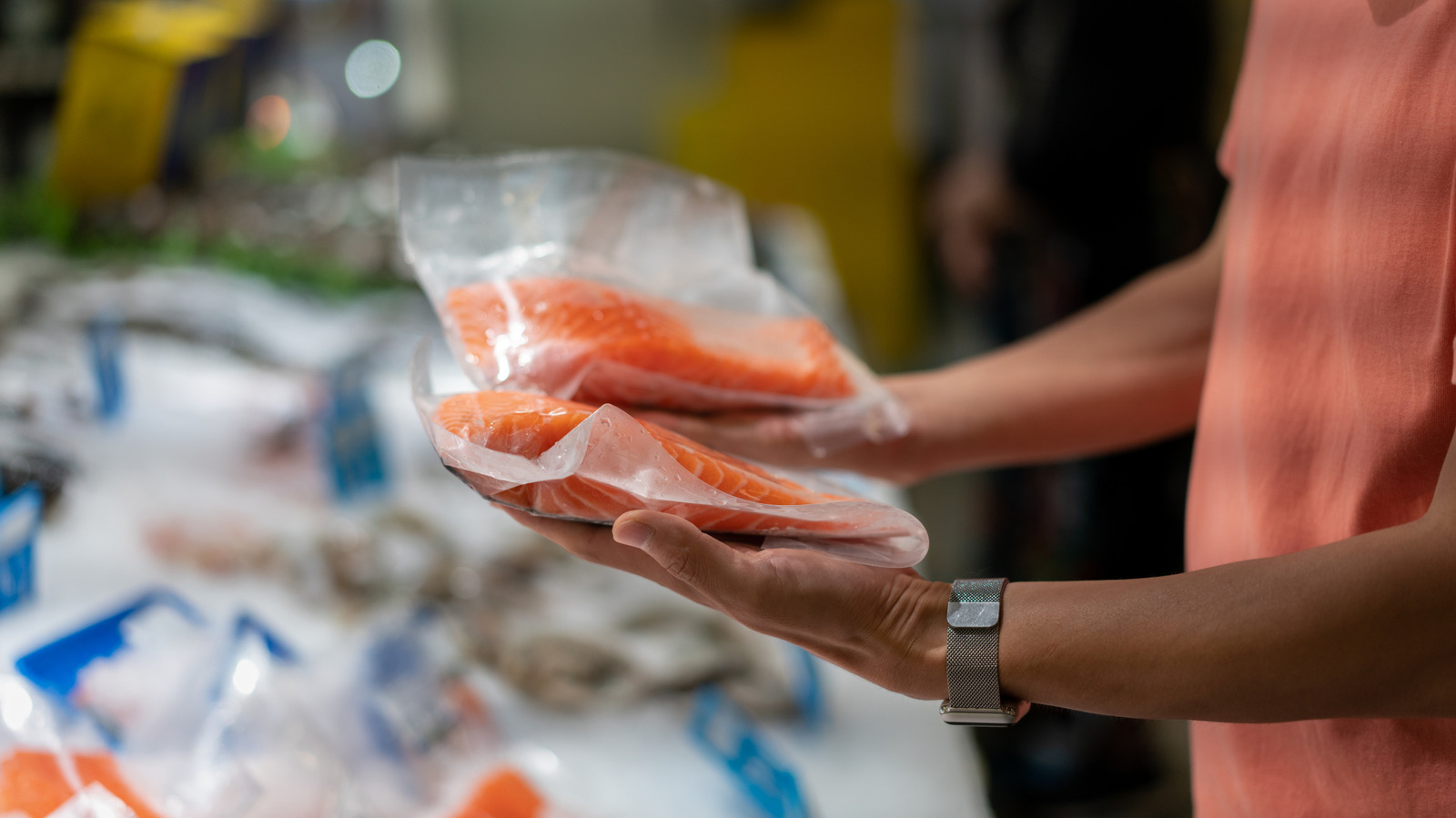
"Consumers must be aware that seafood fraud, in which vendors label cheaper fish as products of higher quality and price, is common practice. According to Oceana, fish is mislabeled 25 to 70% of the time, especially when it comes to prized fish like wild salmon and Atlantic cod. Those of us who care about the environment are also concerned with traceability,"
"as we might have no way of knowing if the fish comes from an unmanaged fishery, or if there were other issues throughout the supply chain. That's why we should look for labels from organizations that provide reputable certifications, such as the Aquaculture Stewardship Council (ASC), Best Aquaculture Practices (BAP), the Marine Stewardship Council (MSC), and Friend of the Sea, to ensure the best quality seafood."
Seafood fraud is common, with fish mislabeled roughly 25 to 70% of the time, especially prized species like wild salmon and Atlantic cod. Mislabeling and lack of traceability can hide unmanaged fisheries and other supply-chain problems. Consumers should seek reputable certifications—Aquaculture Stewardship Council (ASC), Best Aquaculture Practices (BAP), Marine Stewardship Council (MSC), and Friend of the Sea—to ensure quality, sustainability, and traceability. The ASC works directly with farms to certify environmental, animal welfare, worker safety, and food safety standards. ASC and BAP certifications provide trustworthy sources for farmed species such as shrimp, oysters, and mussels. Lack of certification is a red flag.
Read at Tasting Table
Unable to calculate read time
Collection
[
|
...
]