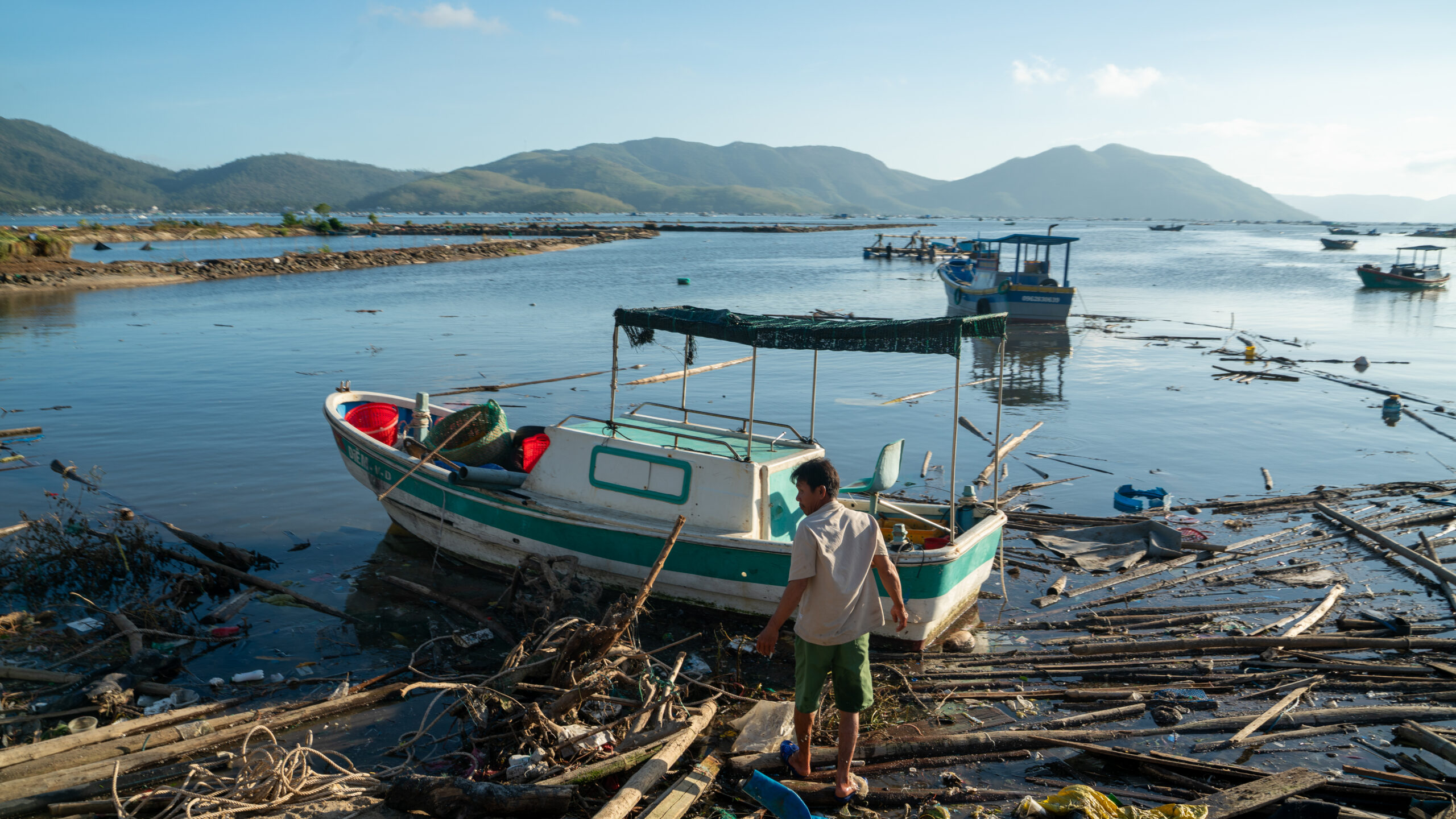
"The study, which began in 2021, brought together scientists from multiple disciplines: Fisheries experts, coral reef researchers, biologists and climate economists. They assessed downstream climate change costs across four key sectors-corals, mangroves, fisheries, and seaports-measuring everything from straightforward market loss of reduced fisheries and marine trade to reductions in ocean-based recreational industries."
""Something has value because it makes the world feel more livable, meaningful, or worth protecting, even if we never directly use it," said Bastien-Olvera, referencing the fiscal merit of ecosystem enjoyment and the cultural loss caused by climate change. "Most people will never visit a coral reef during a full-moon spawning event, or see a deep-sea jellyfish glowing in total darkness. But many still care deeply that these things exist.""
Greenhouse gas emission predictions estimate annual damages to traditional marine markets will be $1.66 trillion by 2100. Scientists from fisheries, coral reef research, biology, and climate economics assessed downstream climate costs across corals, mangroves, fisheries, and seaports. Measured impacts include market losses from reduced fisheries and marine trade, reduced ocean-based recreational industry revenues, and damages to coastal infrastructure and ports. Economists placed monetary values on non-use values reflecting ecosystem enjoyment and cultural loss without direct use. Island economies that rely heavily on seafood will face disproportionate financial and health impacts from ocean warming and acidification. Including ocean-related damages in social cost of carbon calculations increases estimated consequences for morbidity and mortality in low-income countries facing nutrition deficiencies.
Read at Ars Technica
Unable to calculate read time
Collection
[
|
...
]