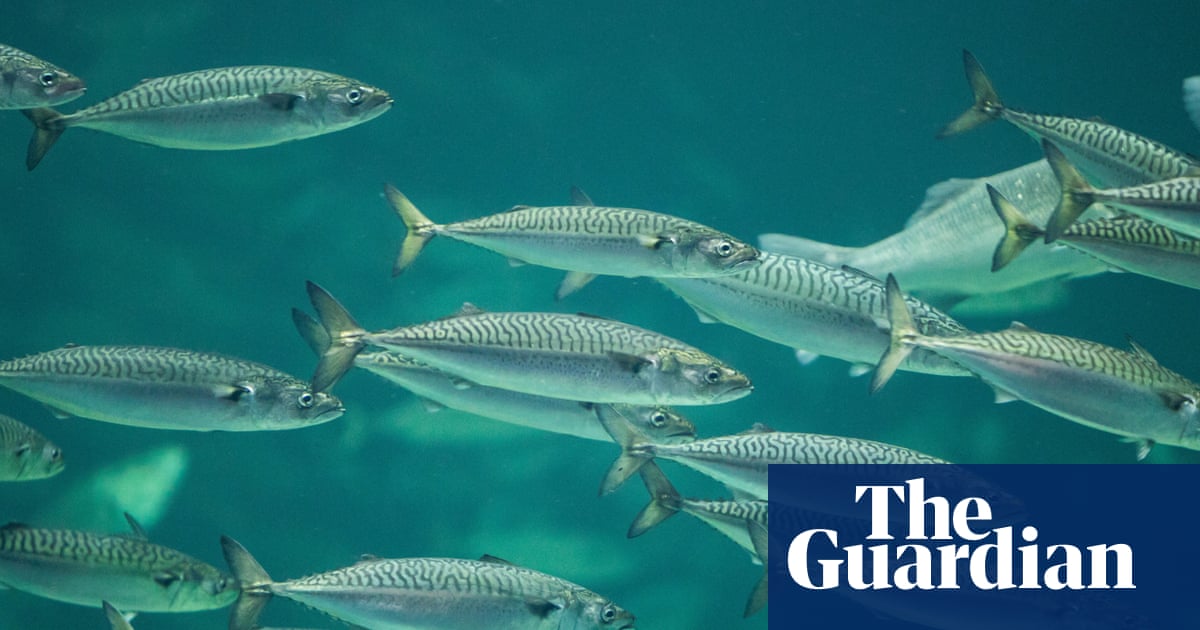
"To put it simply, the faster the ocean floor warms, the faster we lose fish, said Shahar Chaikin, a marine ecologist at the National Museum of Natural Sciences in Spain and the study's lead author. A 7.2% decline for every tenth of a degree per decade might sound small, he added. But compounded over time, across entire ocean basins, it represents a staggering and deeply concerning loss of marine life."
"The study, published in Nature Ecology & Evolution on Wednesday, also found marine heatwaves were leading to short-term booms in some populations that masked long-term harm from climate breakdown. For instance, a heatwave that could cause sprat populations to fall in the Mediterranean Sea, which is at the warm edge of their natural range, would lead to a boom in the North Sea, at the cold edge of their range."
"Overall warming reduces fish biomass, while heatwaves can generate temporary increases that mask the underlying trend, said Garcia-Soto, who was not involved in the study. This combination introduces a clear risk of poor interpretation when taking decisions."
A comprehensive study analyzing 33,000 marine populations in the northern hemisphere from 1993 to 2021 reveals that chronic ocean heating causes significant fish biomass loss, declining 7.2% for every 0.1°C of seabed warming per decade. Single-year declines can reach 19.8%. Researchers isolated the effects of gradual warming from short-term marine heatwaves, finding that heatwaves create temporary population increases in cold-water areas while causing declines in warm-water regions. These temporary booms mask the underlying long-term damage from ocean warming, creating a dangerous dynamic for ocean governance and policy decisions. The compounded effect across ocean basins represents substantial marine life loss.
#ocean-warming #marine-biomass-decline #climate-change-impacts #marine-heatwaves #fish-population-dynamics
Read at www.theguardian.com
Unable to calculate read time
Collection
[
|
...
]