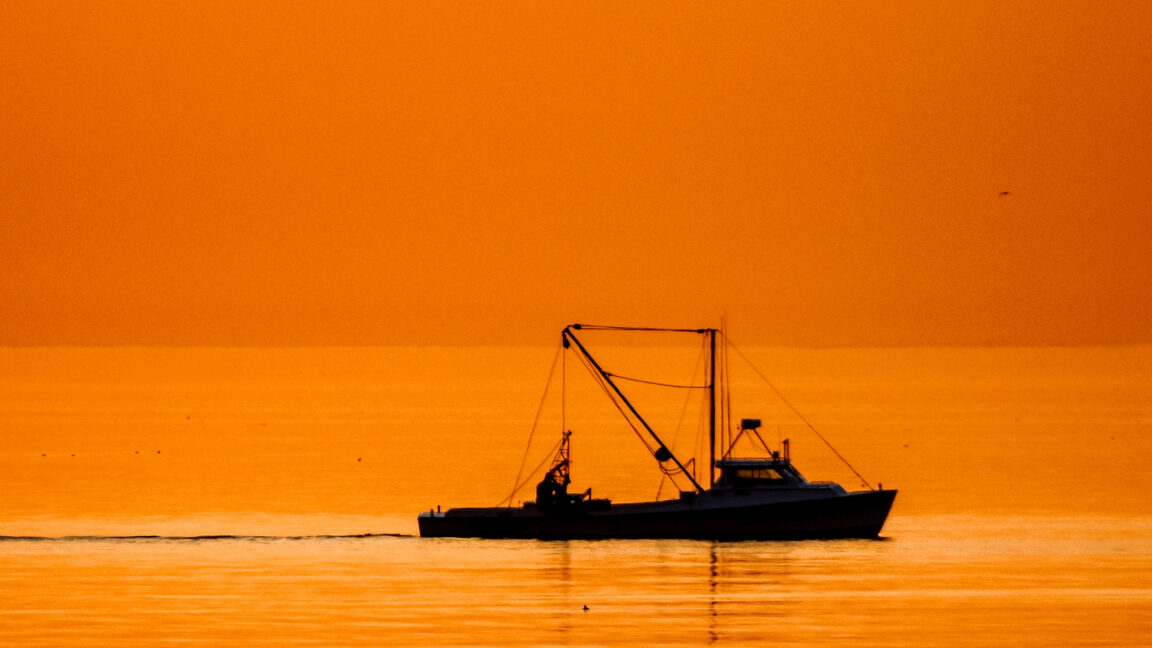
"Recovered CWMs continue to pose worker and food safety risks. Because of ocean drift, storms, and offshore industries, sea-disposed CWMs locations are largely unknown and potentially far from their originally documented dump site. The three incidents exposed at least six crew members to mustard agent, which causes blistering chemical burns on skin and mucous membranes."
"In 2013, federal health officials reported another three incidents in the mid-Atlantic. The report noted that clam fishermen in Delaware Bay told investigators that they routinely recover munitions that often 'smell like garlic,' a potential indication of the presence of a chemical agent."
"One crew member required overnight treatment in an emergency department for respiratory distress and second-degree blistering burns. Another was burned so badly that they were hospitalized in a burn center and required skin grafting and physical therapy."
The United States dumped approximately 17,000 tons of unused chemical weapons from World Wars I and II off the Atlantic Ocean coast until 1970. Between 2016 and 2023, at least three incidents occurred where commercial fishing crews in New Jersey waters recovered dangerous chemical warfare munitions, exposing at least six workers to mustard agent. This chemical causes severe blistering burns on skin and mucous membranes, with some injuries requiring emergency treatment, hospitalization in burn centers, skin grafting, and physical therapy. Ocean drift, storms, and offshore industrial activities have dispersed these munitions far from their original documented dump sites, making their locations largely unknown. Similar incidents were reported in 2013 in the mid-Atlantic region, where clam fishermen routinely recovered munitions.
#chemical-weapons-disposal #occupational-hazards #commercial-fishing-safety #environmental-contamination #mustard-agent-exposure
Read at Ars Technica
Unable to calculate read time
Collection
[
|
...
]