#environmental-critique
#environmental-critique
[ follow ]





fromElectronic Frontier Foundation
18 hours agoDigital Hopes, Real Power: The Rise of Network Shutdowns
In 2024 alone, authorities imposed 304 internet shutdowns across 54 countries - the highest number ever recorded. This reflects a growing trend of governments treating connectivity as a weapon.
World politics
Psychology
fromSilicon Canals
1 day agoPsychology says people who grew up poor in the 1960s and 70s develop a specific relationship to waste - they can't throw away a half-used candle or a rubber band or a piece of foil, not from habit, but because their nervous system still treats abundance as temporar - Silicon Canals
Scarcity during childhood shapes the brain's stress-response architecture, leading to lasting changes in emotion regulation and threat detection.
fromDaily Coffee News by Roast Magazine
14 hours ago'Forest 500' Report Tracks Coffee Industry Deforestation Commitments
"While some battles have been won, this year's Forest 500 data shows that the fight against deforestation is still being needlessly lost. The year 2025 was at the heart of high-profile corporate targets to end deforestation - but these have now been missed. As in previous years, too few companies are acting with enough urgency."
EU data protection


London politics
fromwww.theguardian.com
2 days agoOn the streets of Dublin I met fuel protesters and the people who support them yet our leaders still don't get it | Caelainn Hogan
Fuel protests in Ireland highlight the impact of high fuel taxes on farmers and the broader population, emphasizing the need for a transition to clean energy.
fromwww.theguardian.com
2 days agoA disturbing lack of integrity': Columbia students file complaint against energy thinktank taking big oil money
Columbia's Center on Global Energy Policy (CGEP) describes itself as an independent organization producing research on energy policy. But that representation is misleading, alleges the complaint to the New York City consumer protection bureau.
Non-profit organizations
fromwww.dw.com
1 day agoIndia walked away from its bid to host COP33 here's why
One of the key reasons for India's withdrawal appears to be the steadily declining relevance of COP in driving meaningful global climate action. The complete erosion of trust among countries at the Belem summit in Brazil, where several nations reneged on previously agreed commitments, seems to have contributed significantly to this decision.
World politics
fromwww.kaltblut-magazine.com
1 month agoThe Climate Crisis
At a young age, I learned quickly how oil wealth and power could burn the land while people struggled. I saw heat rise off the streets, the Nile strained, and the air thickened with injustice. In my teenage years, through Aotearoa, being on the edge of the Pacific, I felt the ocean breathing heavy, swallowing the shores of islands that have done the least to cause this harm.
Photography
fromDefector
3 weeks agoDam It All To Hell | Defector
Hoppers, like Pixar's pre-Disney films, is a delight. The beavers' world is immersive and richly realized, grounded in science but never dry. The plot zigs and zags between moments of absurdity and emotional heft to stirring effect; I cried multiple times, and not just because of the low-hanging fruit of grandma death.
Independent films
fromwww.theguardian.com
6 days agoArgentina approves Milei's glacier mining bill amid environmental protests
Environmentalists say the legislative changes will weaken protections for crucial water sources. Thousands of people protested outside parliament on Wednesday in a demonstration marked by isolated skirmishes with police.
Environment


fromNonprofit Quarterly | Civic News. Empowering Nonprofits. Advancing Justice.
2 months agoEnvironmental Advocates Confront Trump's Fossil Fuel Agenda | Nonprofit Quarterly | Civic News. Empowering Nonprofits. Advancing Justice.
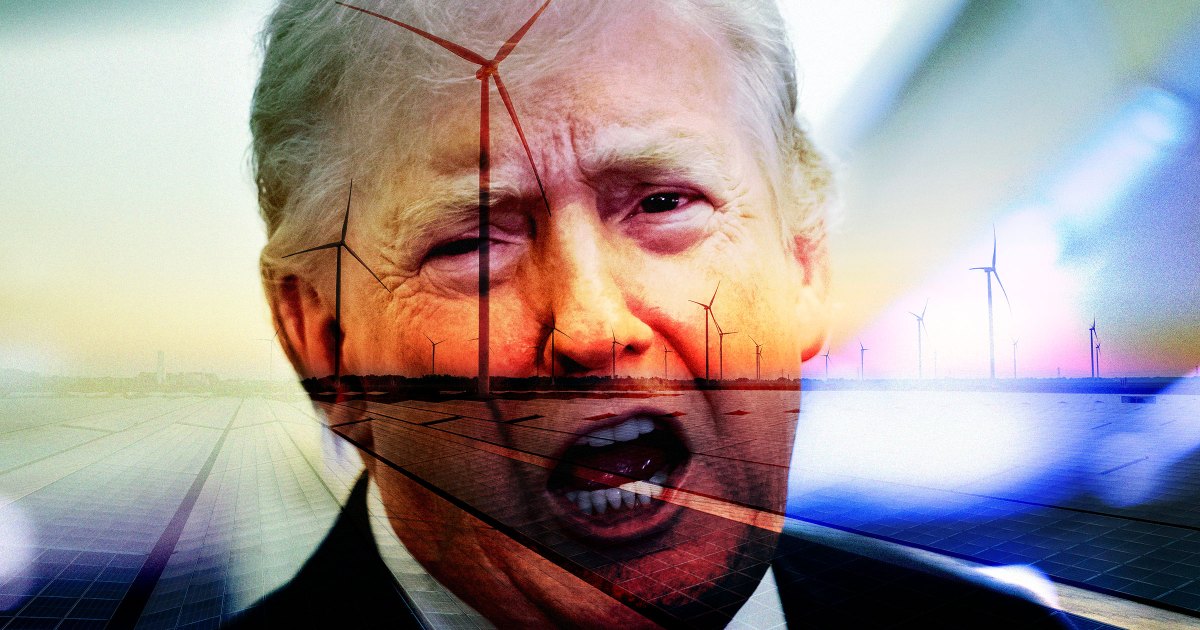
But to environmental advocates, the announcement sounded less like relief and more like a bill for working people, one that would result in higher fuel costs, increased pollution, and a slower path to clean energy. Critics warn that the decision represents a blow to the energy transition and a significant setback in the fight against climate change overall.
US politics
fromPsychology Today
2 months agoHow Can We Change the World?
There's a myth in our society that real change requires force, strength, and domination. We celebrate athletes, CEOs, and politicians who crush their opponents. But history tells a different story. Lasting social change has often been triggered by humble people whose weapons were passion, principle, and an unwavering commitment to justice and the truth - not the truth we see on TV or read in print media, but rather the truth that we feel deep inside ourselves.
Social justice
fromThe Nation
1 month agoA World on Fire Needs More Climate Reporting-Not Less
Covering Climate Now was formed in 2019 in response to the climate silence that then prevailed in much of the press, especially in the United States. Over the years that followed, hundreds of newsrooms joined our effort, and press coverage of the story began to reflect the scale of the crisis. Newsrooms beefed up their climate reporting teams; they confronted misinformation that sought to play down the problem; they thought creatively about how to find the climate connection on every beat.
Environment
Environment
fromwww.mercurynews.com
1 month agoOpinion: AI is destroying our planet. We must act to check its growth and save ourselves.
AI's environmental impact is severe, with 2025 freshwater consumption exceeding global bottled water use and projected energy demands by 2034 matching India's entire consumption, requiring immediate action.
fromThe Nation
2 months agoClimate Hushers Need to Get Real
"Let's be realistic." That's the advice coming from a growing number of voices in climate circles in the United States. In October, billionaire Bill Gates argued that a global temperature rise of 2 degrees Celsius is unavoidable and not a " super bad outcome"-a view unlikely to be shared by the millions of people whose homes would be destroyed by the resulting killer storms and rising seas.
Environment


fromwww.dw.com
2 months agoThe business of saving nature
The world spends 30 times more money destroying nature than protecting it. That's according to a new report from the United Nations Environment Programme (UNEP) that exposes a massive gulf between so-called "harmful investments" and financing that promotes nature preservation. The global environment agency's latest "State of Finance for Nature" (SNF) report is calling to phase out the US$7.3 trillion (6.2 trillion) in global investments that damage nature including into high-emissions energy infrastructure and manufacturing, for example.
Environment
fromwww.theguardian.com
1 month agoThey pushed so many lies about recycling': the fight to stop big oil pumping billions more into plastics
Then she read an article in this newspaper, just over eight years ago, and discovered that fossil fuel companies had ploughed more than $180bn (130bn) into plastic plants in the US since 2010. It was a kick in the teeth, says Gardiner. You're telling me that while I am beating myself up because I forgot to bring my water bottle, all these huge oil companies are pouring billions She looks appalled. It was just such a shock.
Environment
[ Load more ]