#energy-transition
#energy-transition
[ follow ]
#renewable-energy #fossil-fuels #climate-change #cop30 #solar-power #electricity-demand #energy-security #iran-war
#france-africa-relations
France politics
fromwww.theguardian.com
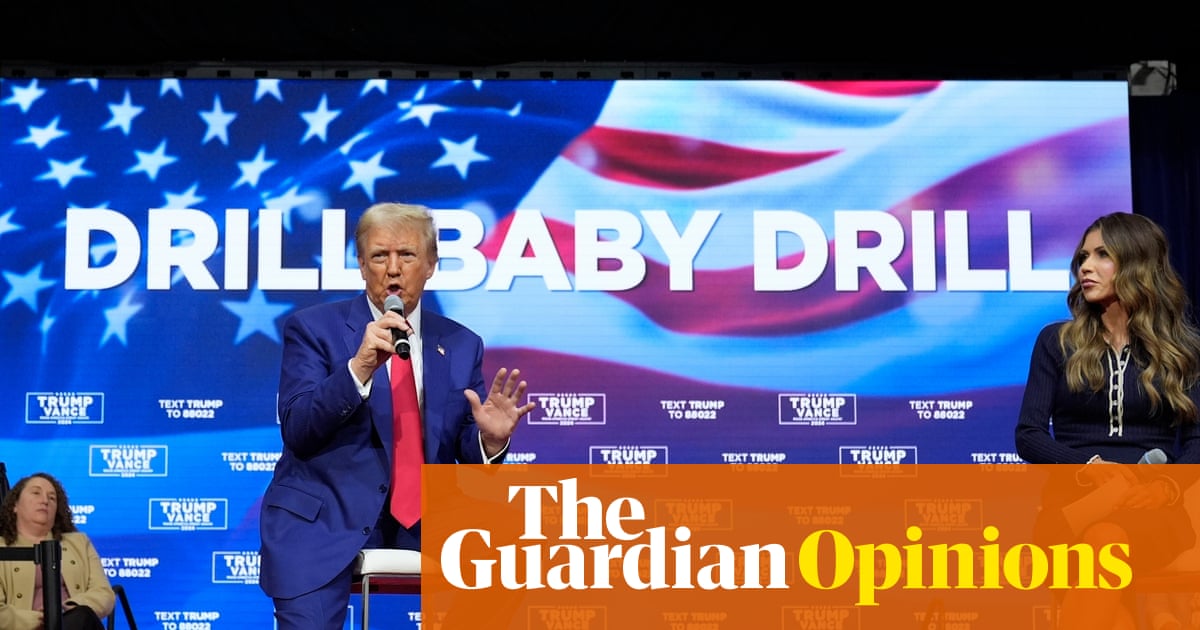
19 hours agoMacron at Africa summit seeking allies and a foreign policy less tied to France's colonial past
Africa Forward summit in Nairobi marks a shift toward equal-footing partnerships between France and African states, focusing on energy transition, peace, security, and financial reform.
Venture
fromFortune
2 days agoThe global economy is experiencing the largest capex cycle ever, with nearly $5 trillion seen by the end of the decade-and it's not all AI spending | Fortune
Energy transition spending is driving a multi-trillion global capital cycle alongside AI investment, fueled by energy security, electricity demand growth, and decarbonization efforts.


#renewable-energy
Environment
fromFortune
1 month agoCountries are turning to 'structurally more resilient' energy sources as oil and gas crisis deepens, UN renewables chief says | Fortune
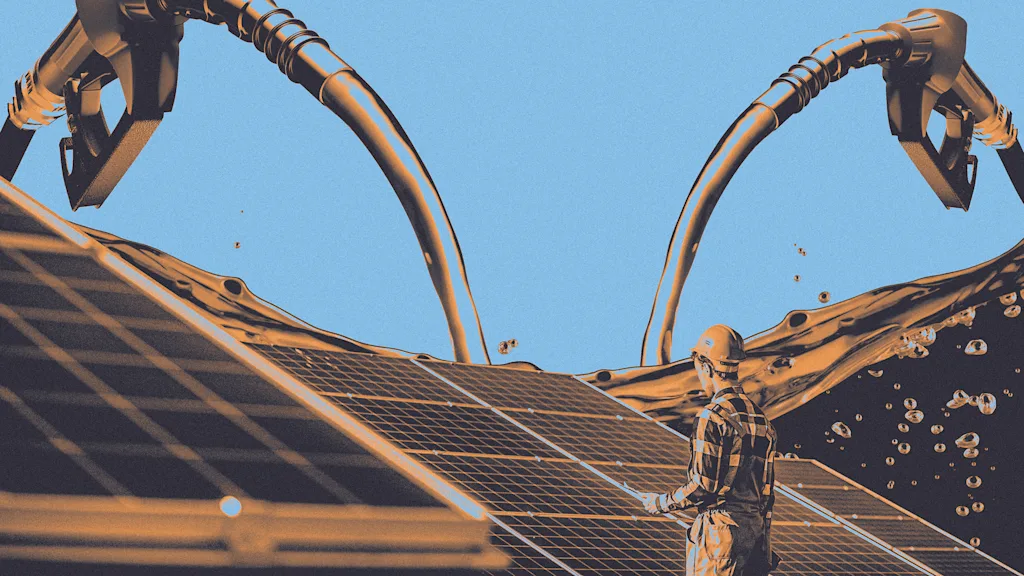
The energy transition is accelerating, with renewables now comprising 49.4% of global energy capacity, driven by geopolitical factors and decreasing costs.
NYC startup
from24/7 Wall St.
3 weeks agoNuScale Powers Up 11%, Oklo Climbs 6%, Nano Nuclear Rises 5% as the Nuclear Sector Posts Back-to-Back Rallies
Small modular reactor stocks are experiencing significant gains, driven by strong government support and increasing relevance to institutional investors.
#oil-prices
Europe news
fromwww.theguardian.com
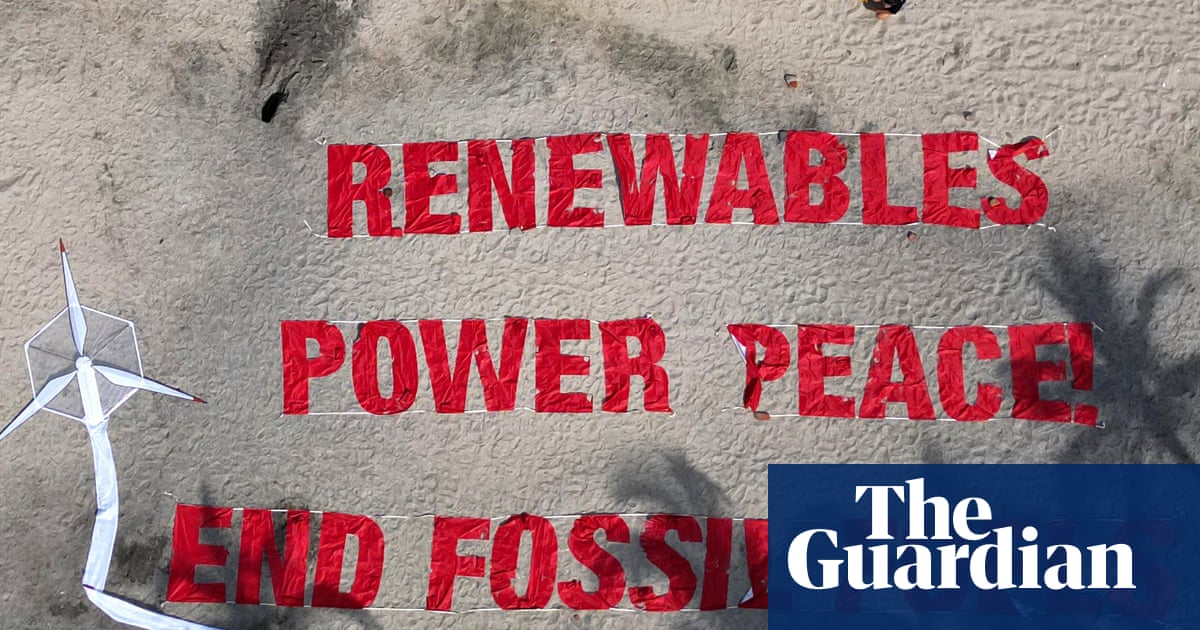
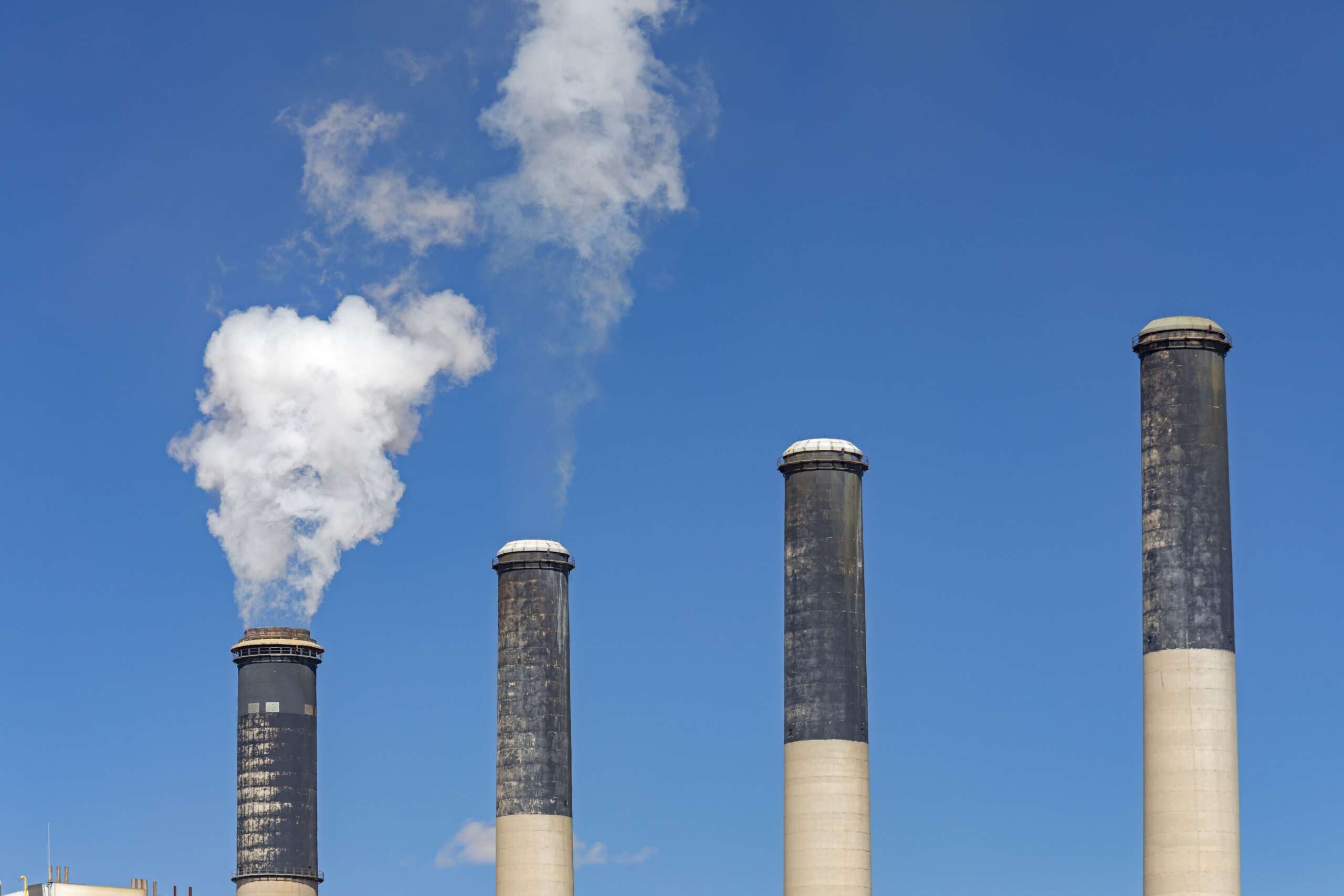
1 month agoAs Iran war exposes global dependence on fossil fuels, the biggest emitters are reaping the rewards
Global food insecurity is rising due to oil prices and fertilizer shortages, highlighting the dependency on fossil fuels and the shift towards low-carbon futures.
Business
fromLondon Business News | Londonlovesbusiness.com
3 weeks agoSilver's sharp decline from the 121.7 peak: Macro pressure or a necessary rebalancing? - London Business News | Londonlovesbusiness.com
Silver's market dynamics have shifted, reflecting a structural supply deficit driven by industrial demand and economic growth.
World politics
fromLondon Business News | Londonlovesbusiness.com
1 month agoMiddle East energy shock could reshape global system by 2050 - London Business News | Londonlovesbusiness.com
Prolonged disruption to Middle East energy supplies could halve oil and gas import dependence by 2050, shifting demand towards electrification and renewables.
Environment
fromwww.theguardian.com
1 month agoIf they pollute our rivers, what will become of us?': the town divided between hope and fear in Brazil's Amazon oil rush
Oiapoque, Brazil, is poised for development through oil production, raising concerns about environmental impacts and Indigenous rights amid a global energy transition.
Europe news
fromCarbon Brief
1 month agoDeBriefed 20 March 2026: Energy crisis deepens | Brazil's new climate plan | New Zealand climate case - Carbon Brief
The ongoing Iran war is causing a significant energy crisis, prompting global responses to manage supply disruptions and accelerate energy transitions.
fromTNW | Startups-Technology
1 month agoHomaio raises 3.6M to bring carbon allowance investing to retail
The market was the backbone of Europe's climate policy, running at close to a trillion euros in annual trading volume, and it was almost entirely closed to anyone who wasn't an industrial company or an institutional fund. Lautier founded Homaio in 2023 to change that.
European startups
Germany news
fromwww.dw.com
1 month agoGermany's Climate Protection measures are barely on target
Germany's climate protection efforts have stalled under the new conservative government, with emissions falling only 0.1% in 2025 and plans to build new gas-fired power plants undermining previous environmental commitments.
Environment
fromFortune
2 months agoA U.K.-based sustainability initiative is drawing U.S. CEOs like BoA's Brian Moynihan: 'We've got to make this happen the right way' | Fortune
Private sector leaders from major financial institutions and consulting firms are advancing energy transition and climate sustainability initiatives independent of political opposition, driven by King Charles III's Sustainable Markets Initiative.
fromwww.dw.com
2 months agoHow renewable energy shields countries from oil shocks
Energy is the lifeblood of our societies and our industries. And we're still highly dependent on fossil fuels. The world still gets about 80% of its primary energy from fossil fuels, the main source of greenhouse gas emissions driving climate change. That dependence makes economies and societies vulnerable to geopolitical shocks.
Environment
fromThe Art Newspaper - International art news and events
2 months agoTomas Saraceno and Indigenous communities build art complex in Argentine salt flats
We don't eat batteries. They take away the water; they take away life. This pronouncement, in Spanish, appears in a photograph that the artist Tomás Saraceno sent via WhatsApp last month from Salinas Grandes, a high-altitude salt flat in northern Argentina. There, in one of the world's largest lithium reserves, the artist is working alongside 11 Indigenous communities to build El Santuario del Agua (The Water Sanctuary), a monumental work about the global energy transition.
SOMA, SF
Artificial intelligence
fromFortune
2 months agoI help manage one of the world's most constrained supply chains, up close to the defining energy bottleneck of the decade | Fortune
Power transformer shortages are the critical bottleneck limiting AI infrastructure expansion and corporate electrification globally.
Business
from24/7 Wall St.
2 months agoCopper Prices Are Still Surging: Here's the Only ETF You Need to Play It
CPER outperforms the S&P 500 due to structural copper demand from electrification and AI infrastructure, while supply constraints from declining ore grades and peak production create long-term tailwinds.
fromFast Company
2 months agoThe nation's largest public utility is reviving coal amid political pressure and the AI boom
The Tennessee Valley Authority's (TVA's) quarterly meeting in Hopkinsville, Kentucky, opened with a triumphant video homage to its work during Winter Storm Fern. Energy had come through, yet again, to defeat extreme cold. The montage credited this to the utility's "coal workhorses," then noted that nuclear provided "uninterrupted power" and "hydro responded instantly." The list ended there, despite years of promises that the agency would bolster renewables and battery storage.
Miscellaneous
Environment
from24/7 Wall St.
2 months agoThis Clean Energy ETF Bundles 38 Stocks Into One High Growth Bet
ACES is a thematic growth ETF providing broad North American clean energy exposure across solar, batteries, EVs, hydrogen, and lithium, delivering 38.2% annual returns but requiring patient, long-term investment commitment.
fromwww.theguardian.com
2 months agoThe US is merely the latest to join the global rush to hoard critical minerals
We live in a new world of strategic competition between states over scarce but essential resources, with shocks to supplies from human activity and natural disasters an ever-present risk. This means recalibrating how we think about our economy: the new economic fundamentals today are resource constraints and climate and nature crises, and these, rather than human activity, will increasingly shape the world we inhabit. Flows of finance and stocks of wealth will matter less than stocks and flows of real material resources.
World news
fromFortune
2 months agoCEOs are still buying into the business case for sustainability, despite Trump's climate rollbacks | Fortune
Most CEOs believe climate change is real. They need to deal with it to stay profitable, create resilient operations, and remain relevant to their customers and employees. Texas leads the country in the production of both fossil fuels and renewable energy, in part because everyone knows the state's power grid needs all the help it can get.
Environment
Environment
fromwww.theguardian.com
2 months agoThe trend is irreversible': has Romania shattered the link between economic growth and high emissions?
Romania rapidly decoupled economic growth from greenhouse-gas emissions, cutting emissions intensity 88% since 1990 through large-scale solar, wind and nuclear investments.
Business
fromLondon Business News | Londonlovesbusiness.com
3 months agoDrax Group could axe hundreds of jobs - London Business News | Londonlovesbusiness.com
Drax Group plans consultations that could cut over 350 UK and North America roles while shifting toward low‑carbon, flexible power generation and biomass.
Environment
fromEarth911
3 months agoSustainability In Your Ear: Peter Fusaro's Wall Street Green Summit Explores Financing The Renewables Transition
Energy transition faces infrastructure bottlenecks, rising grid stress from data centers, yet capital markets and institutions increasingly treat climate as systemic financial opportunity.
fromwww.dw.com
4 months agoCan Germany escape its economic slump in 2026? DW 01/05/2026
While many economists believe it will return to stronger growth in 2026, hopes of a quick recovery are fading amid doubts over Berlin's planned investment spree under Chancellor Friedrich Merz. Before Christmas, Germany's Bundesbank lowered its growth forecast for 2026 to 0.6%, down from its previous June forecast of 0.7%. However, the central bank raised the forecast for 2027 to 1.3%, predicting that the pace of economic activity would pick up from the second quarter of 2026.
Miscellaneous
Startup companies
fromFortune
4 months agoEx-Google CEO Eric Schmidt jumps into the AI data center business with a failed, 150-year-old Texas railroad turned oil giant | Fortune
Eric Schmidt's Bolt will build integrated data center campuses in West Texas using TPL land, natural gas, renewables, water, and future nuclear power.
fromwww.archdaily.com
5 months agoPower Station Leipzig / atelier st
The historic industrial site of the former Leipzig power station, which used to produce electricity and district heating, is characterized by large brick buildings from the last century. The 'Sudwerk' was built on the site of the former estate brickworks between 1908 and 1910. However, the plants were shut down in 1996, but due to the growth of the city of Leipzig, it was decided to continue using the site as an energy supplier.
Renovation
US politics
fromFortune
5 months ago'You have an entire culture, an entire community that is also having that same crisis': Colorado coal town looks anxiously to the future | Fortune
A multi-generation coal family is shifting to geothermal work as local coal mines close amid a statewide move toward cleaner energy and economic diversification.
US politics
fromwww.theguardian.com
5 months agoDeeply demoralizing': how Trump derailed coal country's clean-energy revival
Cancellation of Biden-era clean energy grants under Trump severely undermined Appalachian efforts to transition from extractive industries to advanced energy, damaging economies and morale.
Miscellaneous
fromBusiness Matters
5 months agoScotland's Critical Infrastructure is Evolving, But Who's Closing the Skills Gap?
Scotland's rapid digital and life-science infrastructure growth is undermined by a widening skills gap that threatens operational resilience and requires urgent workforce investment.
UK politics
fromwww.theguardian.com
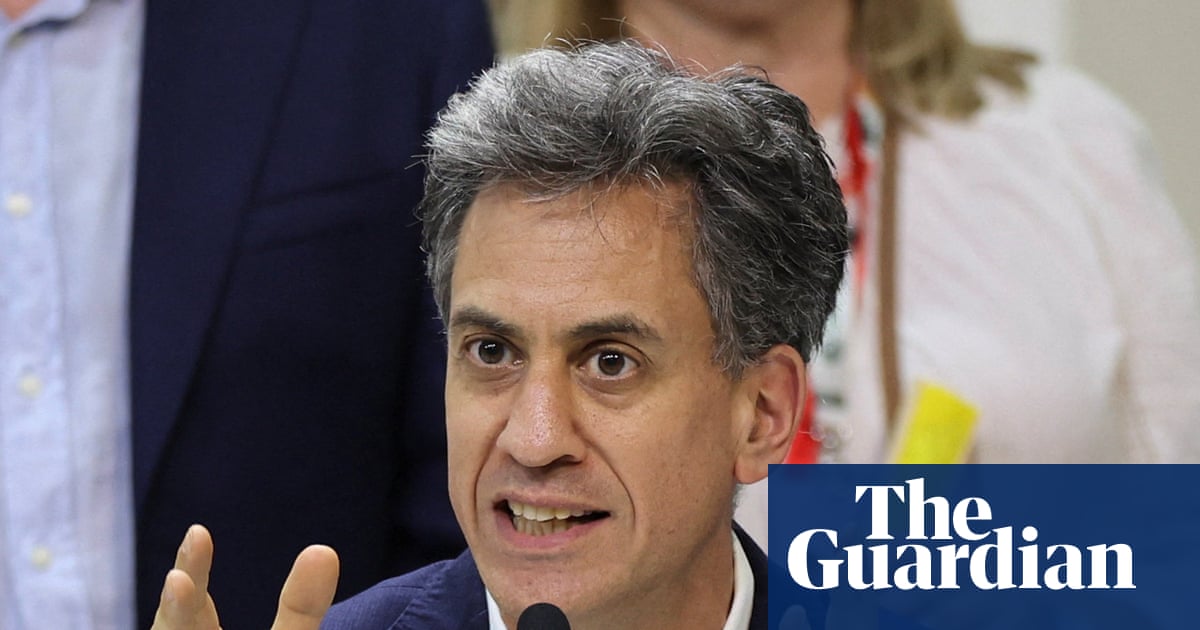
5 months agoEd Miliband confirms crackdown on North Sea exploration but new drilling will continue
Government bans new North Sea oil and gas exploration, maintains fossil fuel taxes, and permits only tie-back projects to protect jobs while pursuing climate commitments.



fromFortune
6 months agoProgress but uneven: Energy transition reality check | Fortune
Let's begin with a birds-eye view. Progress has been better than many imagined, but also too slow to meet the goals of the Paris Agreement. By the end of 2024, on average about 13.5 percent of all the low-emissions technologies required for 2050 had been deployed. This was a few percentage points more than two years earlier. But it was also roughly half of what is needed to keep warming "well below" 2°C.
Environment
fromNature
6 months agoClimate change is devastating mining of minerals needed to fight it
To produce enough 'critical metals' such as copper, lithium and nickel to support the green-energy transition, the mining industry needs to boost operations two-to-fivefold worldwide by 2050. Geopolitical tensions, environmental damage and social conflicts will constrain this growth. But another threat needs much more attention: climate change. Extraction of the very metals needed to address global warming will be increasingly impeded by the extreme weather that accompanies climate change.
Environment
fromHarvard Business Review
6 months agoInside India's Energy Transition: Tata Power's Net Zero Strategy
Welcome to Cold Call, where we dive deep into Harvard Business School's groundbreaking case studies. It's been 10 years since 195 nations signed the Paris Agreement, the landmark international treaty that formalized the concept of net zero emissions. Today, thousands of companies around the world have set ambitious goals to achieve net zero emissions, including Tata Power, India's oldest and largest private power producer.
Environment
Environment
fromComputerWeekly.com
6 months agoE.ON taps Nokia for comms network modernisation | Computer Weekly
E.ON will deploy a Nokia-based communications network to improve security, resilience, and efficiency across its distribution grid, supporting renewable integration and faster incident response.
Environment
fromFortune
6 months agoFrom 'greenwashing' to 'greenhushing,' clean energy momentum advances despite political roadblocks | Fortune
Businesses are shifting from net-zero rhetoric to practical, profitable clean-energy solutions while the energy transition proceeds despite political pushback.

fromFortune
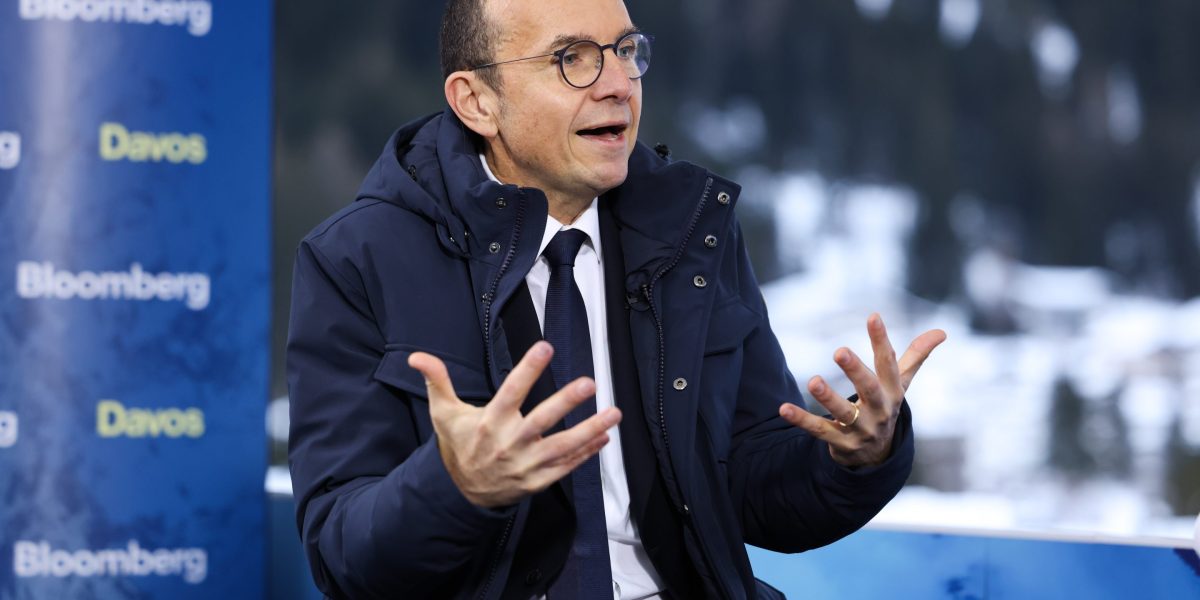
6 months agoSchneider Electric CEO Olivier Blum credits his time as CHRO for shaping his leadership style | Fortune
With 160,000 employees and 1 million partners worldwide, Schneider Electric already has a robust ecosystem around its products. But Blum wants to evolve from being an energy technology company to an "energy technology partner" that leverages data and connects the grid to the data center in new ways to create more intelligent, efficient and adaptive energy systems for customers. Said Blum: "Our job is to make sure that we connect an ecosystem of people and provide the technology that will make it happen."
Business
fromwww.theguardian.com
6 months agoUK ministers met fossil fuel lobbyists 500 times in first year of power, analysis shows
The government defended the meetings, saying ministers held meetings with a wide range of representatives from the energy industry, unions and civil society to drive forward our clean energy superpower mission. But the findings have raised concern among critics about the extent of the fossil fuel industry's influence over government at a time when ministers are trying to lower bills and transition to a more sustainable energy system.
UK politics
California
fromFortune
6 months ago'You feel kind of forgotten': Meet a California pipe fitter who got to $118k earnings after a decade but doesn't know what's next after the refinery shuts down | Fortune
Refinery closures in California threaten thousands of oil industry jobs as the state shifts away from fossil fuels, creating economic and political uncertainty for workers.
fromTechCrunch
7 months agoInvestors are betting $21 billion that the energy transition isn't going away | TechCrunch
The energy transition is seemingly under assault, with Congressional Republicans killing tax credits for clean energy and the Trump administration threatening to cancel billions of dollars worth of grants. But there are signs the setback might not be as catastrophic for the transition as the headlines make it sound. Investor sentiment, which judging by the size of two new funds, remains strong.
Environment
fromThe Atlantic
7 months agoThe Costs of the Green Transition
In particular, they seek "transition minerals," which are vital to the shift away from fossil fuels. These include lithium, cobalt, copper, and nickel (often called critical minerals, essential for rechargeable batteries), as well as rare-earth minerals such as yttrium, scandium, and lanthanides (integral components of green infrastructure). Freedom from dirty energy, it would appear, requires doubling down on the decidedly nonrenewable practice of mineral extraction.
US politics
UK news
fromLondon Business News | Londonlovesbusiness.com
7 months agoFrom April next households will pay a 100 rise in the energy price cap - London Business News | Londonlovesbusiness.com
Ofgem's 2% price cap rise will raise typical household energy bills by £100 to £1,755 from April 2026, with short-term dips but overall rising costs.
fromBusiness Matters
7 months agoAI data centres to swallow 10% of global power surge - with US demand soaring to 40% by 2035, warns BP
Artificial intelligence data centres are set to devour a massive share of the world's electricity growth over the next decade, according to BP's latest World Energy Outlook. The oil giant estimates that data facilities powering AI applications will account for 10% of global electricity demand growth by 2035. In the United States, the world's most advanced AI hub, that figure could skyrocket to 40%, raising urgent questions about the strain on energy systems.
Environment
fromThe Nation
7 months agoThe Problem of Green Capitalism
across three continents to explore the landscapes, social movements, public policies, geopolitical conflicts, and corporate strategies that are shaping the extractive frontiers of the energy transition. With a focus on lithium, she draws, in particular, on over a decade of rigorous research on Latin America's mining and oil sectors. In doing so, she situates the energy transition from fossil fuels to electrification in the context of the long history of colonization, decolonization, the 1970s energy crisis, the 2008 financial crisis, and escalating US-China tensions.
World politics
fromwww.dw.com
7 months agoIs the green hydrogen dream over? DW 09/17/2025
In 2022, the Australian mining and energy company Fortescue signed a deal with E.On, a German energy network and infrastructure operator, to supply up to five million tons of low-emission green hydrogen to Europe annually. "The race for large-scale production and transportation of green hydrogen has taken off," said Robert Habeck, then German minister for economic affairs and climate action, of the deal. Adding that it would be the start of a "future without fossil fuels."
Environment
Environment
fromwww.theguardian.com
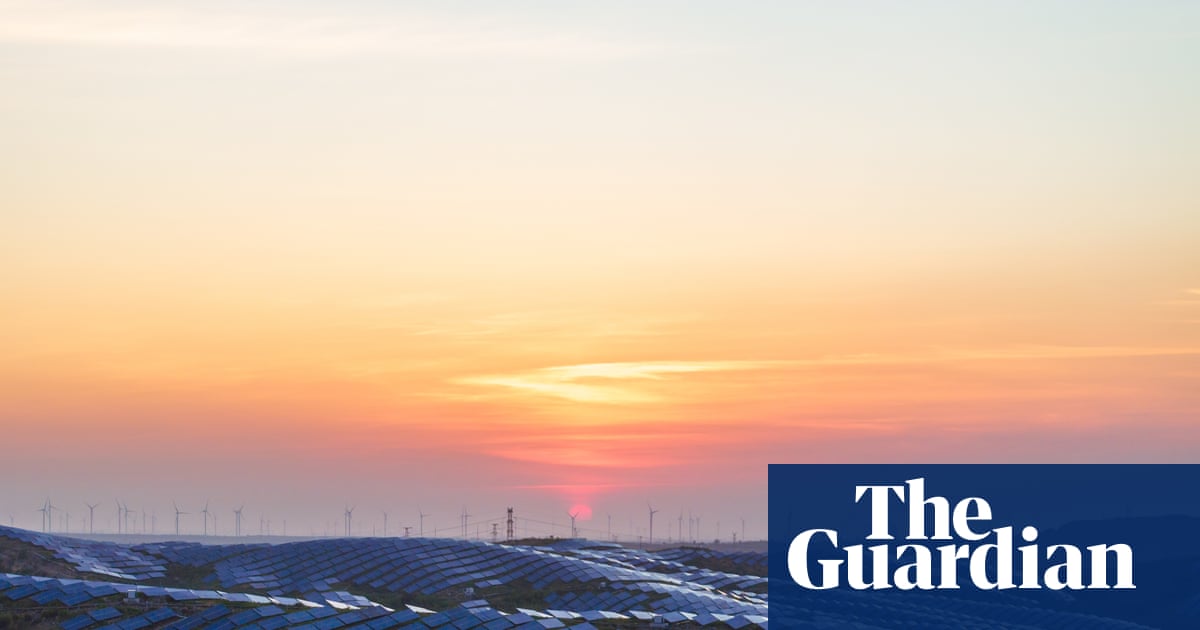
7 months agoOffshore wind was touted as a key part of Australia's energy transition but does it still have a future?
Offshore wind in Australia faces major cost, revenue and project challenges causing delays and cancellations that put ambitious government leadership goals at risk before 2032.
[ Load more ]