When the word "innovation" is thrown around in the finance world, most investors would immediately jump to the conclusion that a particular investors is talking about a technology company. That's simply because most of the premier examples of innovation that changes the way we live and work has indeed come via technology, at least over the course of the past few decades.
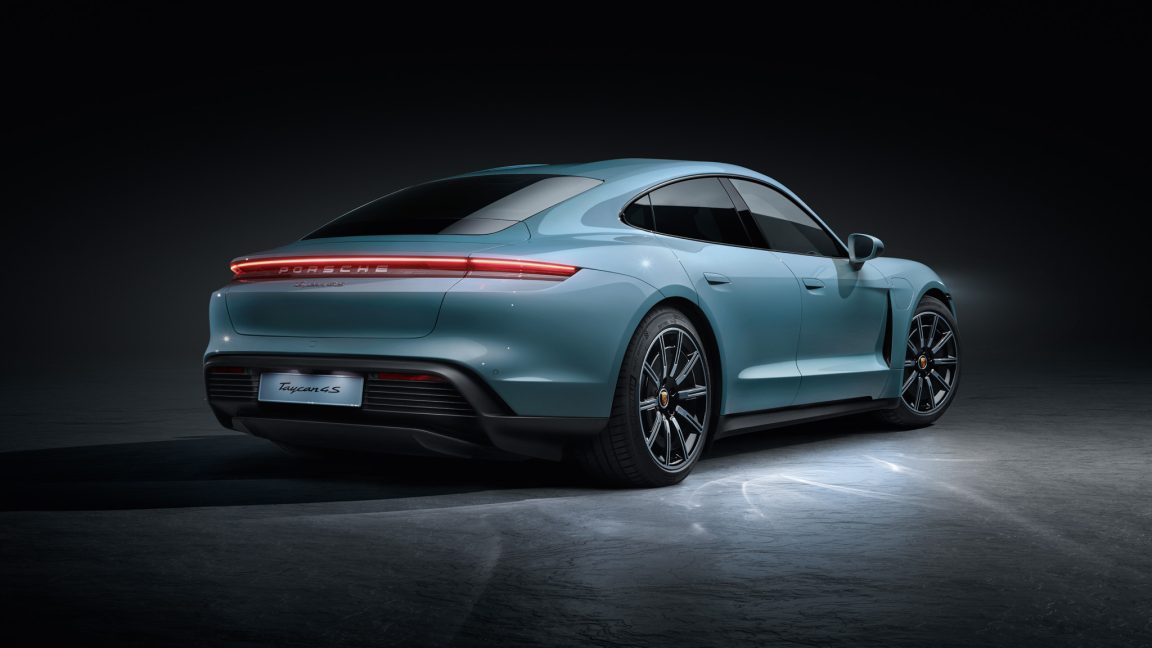
Electrification is tricky business for any legacy car company, but BMW has gotten a lot right. Maybe that's because the automaker has actually been in this game a long time. The i3 city car, which you could call BMW EV 1.0, launched way back in 2013. In any case, the current lineup of the iX, i4, i5 and i7 has been pretty well-received. Most importantly, BMW has run circles around arch-nemesis Mercedes on the electrification front. What comes next is critical, though.
Branford Public Schools has signed a 10-year, $60 million (€55 million) transportation contract with California-based Zum, marking the first agreement of its kind in Connecticut and setting the district on a path to a fully electric school bus fleet within five years. The Branford initiative aligns with Connecticut's legislative goal of deploying zero-emission school buses in environmental justice communities by 2030. The project is supported by federal and state funding programs, including the U.S. Environmental Protection Agency's Clean School Bus Rebate Program, with allocations exceeding $6 million (€5.6 million) for vehicle and infrastructure costs.
This technology is all about delivering the best service to Londoners, using AI insights that support our teams to make the right decisions at the right time. If we can provide more reliable services and improved experiences for customers, we can encourage more people to choose buses as their primary form of transport.
The Middle East bus market, valued at USD 4.4 billion in 2024, is projected to grow to USD 5.86 billion by 2030, corresponding to a compound annual growth rate of 4.8%, according to the Middle East Bus Market Report 2025 by Research and Markets. The market is then expected to increase by USD 1.46 billion, or roughly 33%, over the six-year period.
The company closed 2024 with a turnover of USD 962 million, with 64% of revenues coming from exports, confirming its role as both a leading Turkish bus manufacturer - a position it has held for 16 consecutive years - and an increasingly significant player in Europe. More than 68,000 Otokar buses are now in operation in over 60 countries, with Spain, France, and Italy representing its largest European markets.
He said: The business community want strong, stable policy signals, and flip-flopping is not good for investment. We see it right now in the US with a huge brain drain and capital drain, as whole sectors are being de-invested or even attacked. Consistency in the direction of UK policy over the last 20 years when successive Labour and Conservative governments vowed to press ahead with tackling the climate crisis, until Rishi Sunak's premiership had benefitted the economy, he said.
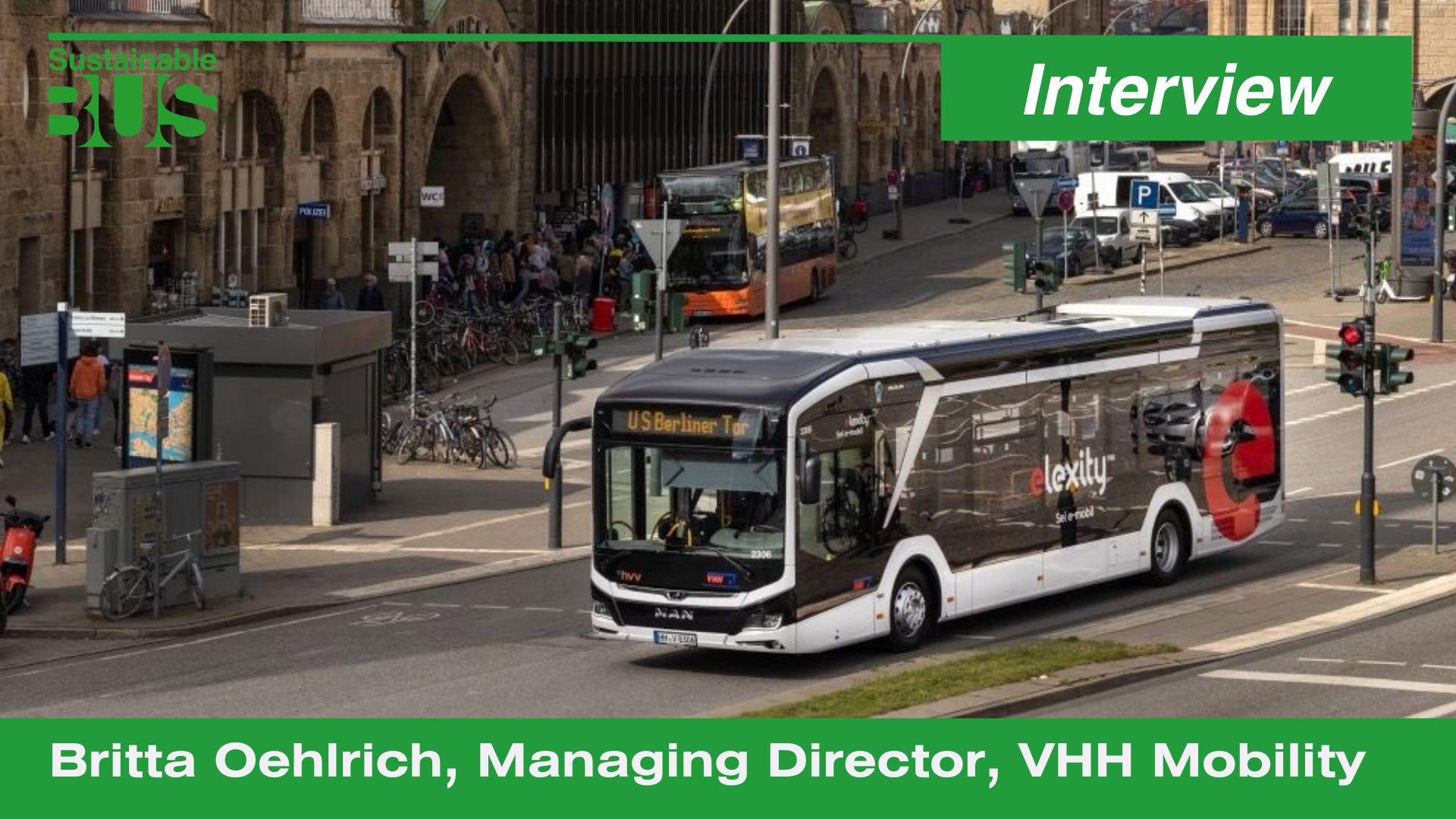
The first part of our electrification program led us to deploy some 230 e-buses in three depots which are partially electrified. We are planning to build two new depots fully electrified from the very beginning.