After two years of declines, United States greenhouse gas emissions increased in 2025-a change driven by increased electricity use, due in part to data centers and cryptocurrency mining, as well as cold winter temperatures that meant homes required more heating. Emissions increased 2.4% in 2025, according to preliminary data from the research firm Rhodium Group. That's higher than the country's GDP growth, which increased by a projected 1.9%.
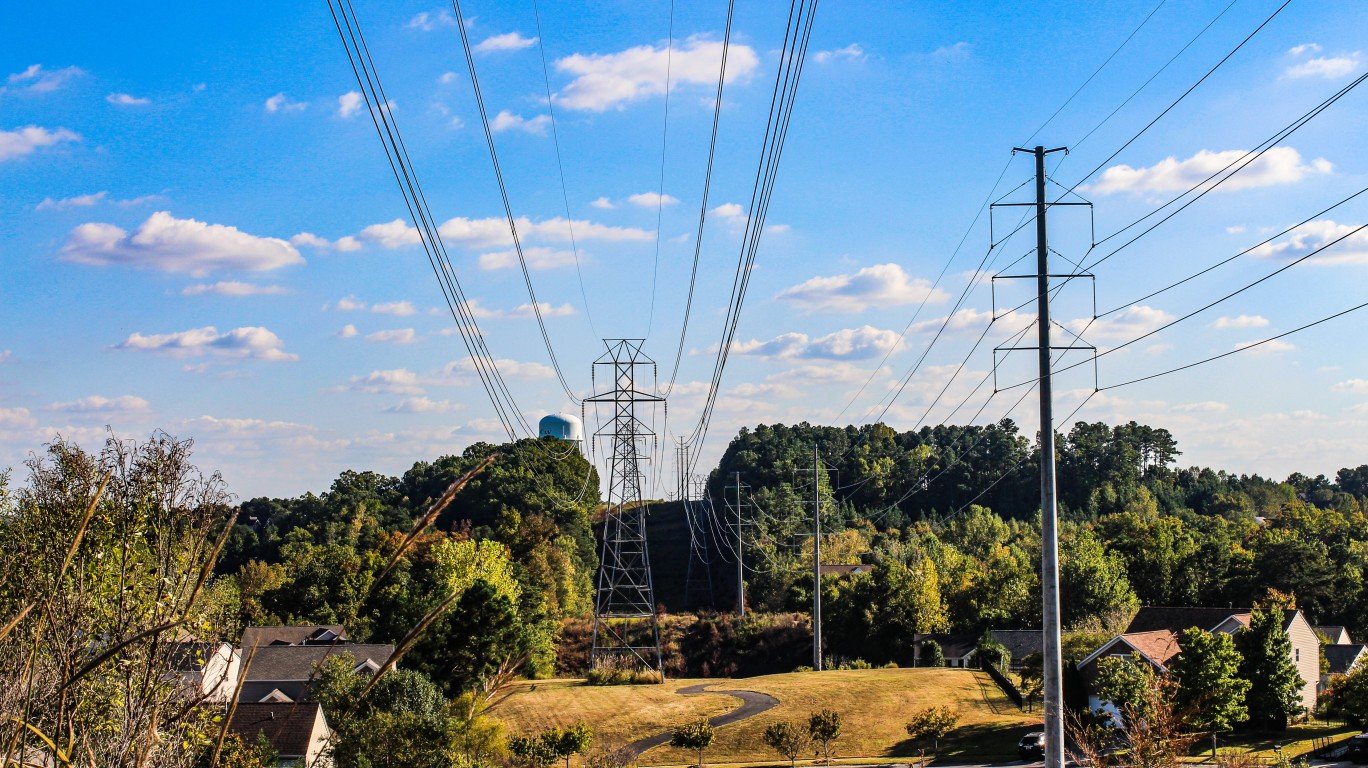
A recent nationwide survey of more than 1,400 U.S. households found that two-thirds of Americans believe AI is already driving up their power bills, and most said they can't afford more than a $20 monthly increase. They're right to be worried. As tech companies pour hundreds of billions into new data centers, the surge in electricity demand is rewriting the economics of the grid - and households are footing the bill for an "AI power tax" they never voted for.
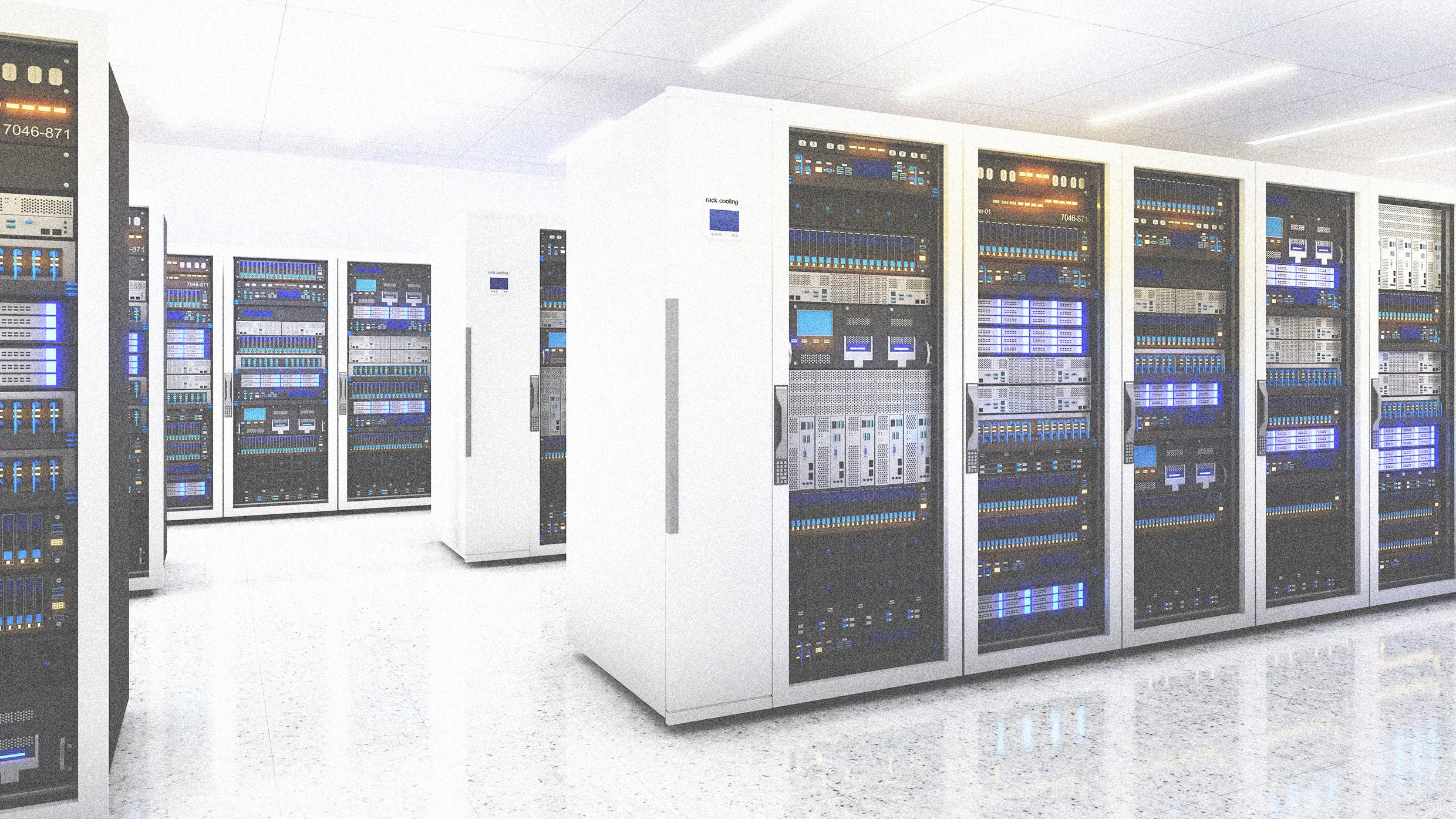
Artificial intelligence data centres are set to devour a massive share of the world's electricity growth over the next decade, according to BP's latest World Energy Outlook. The oil giant estimates that data facilities powering AI applications will account for 10% of global electricity demand growth by 2035. In the United States, the world's most advanced AI hub, that figure could skyrocket to 40%, raising urgent questions about the strain on energy systems.
"We can scale this technology to very large scale," Yuval Bachar, ECL founder and CEO, said. "We do multiple gigawatts of this technology based on hydrogen with zero emission."