""Over the years, I was losing some of my equipment because sometimes when the generator wants to go off, it just goes off." Solar offered something different. "I wanted something steady and reliable," he told DW. "So that I can just walk into the studio and do whatever I want to do at any time.""
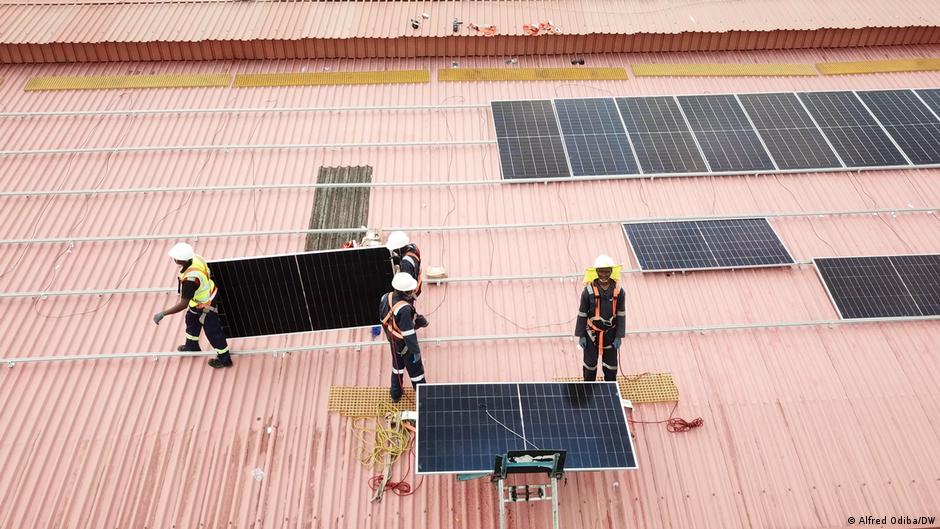
A music studio in Owerri operates without generator noise, fuel smells, or flickering lights, reflecting a rare experience in a country with frequent electricity shortages. A music producer switched to solar power and reported using backup generators only about 20% of the time. Public power is treated as optional: when it is available, it is used. Solar adoption in Nigeria is growing, with the country becoming Africa’s second-largest importer of solar panels after South Africa. Adoption is uneven and often constrained by cost rather than interest. The producer cited generator fuel costs, noise, and unreliable performance, along with power fluctuations that damaged sensitive equipment. Solar was chosen for steady, reliable power to work anytime.
Read at www.dw.com
Unable to calculate read time
Collection
[
|
...
]