Chris Ong, Seatrium's CEO, sees the Iran conflict sharpening what specialists call the energy trilemma, or the trade-off between energy security, affordable supply, and environmental sustainability. "The situation is now even worse because of the destruction of supply, which is still not fully priced in," Ong says. "People don't understand; they have been swung between different stories every day."
OEUK highlighted that natural gas extracted from the North Sea has a significantly lower emissions footprint compared to imported liquefied natural gas (LNG), which often involves more environmentally taxing transportation and processing methods.
I don't want to raise levels of public anxiety. They are anxious about what they're already seeing on their television screens. They're anxious about the impact it will have on them, particularly economically, in their households.
When trading opened on Thursday, prices spiked to 174p, marking a 24% increase, before easing slightly to 169p as of 8 AM GMT. In recent days, natural gas futures, which are contracts for purchasing the commodity in the coming months, have been trading between 125p and 132p per therm (a unit of heat energy).
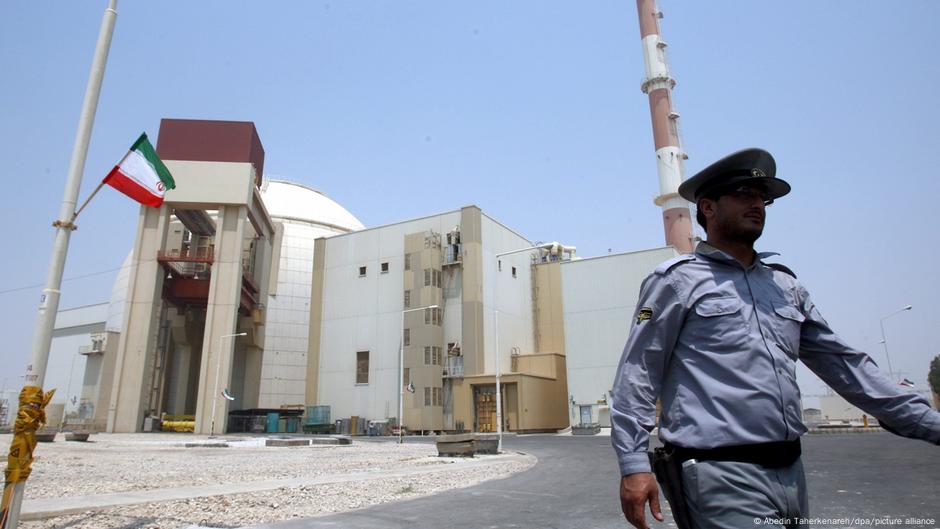
Israel, out of anger for what has taken place in the Middle East, has violently lashed out at a major facility known as South Pars Gas Field in Iran. A relatively small section of the whole has been hit. The United States knew nothing about this particular attack, and the country of Qatar was in no way, shape, or form, involved with it, nor did it have any idea that it was going to happen.
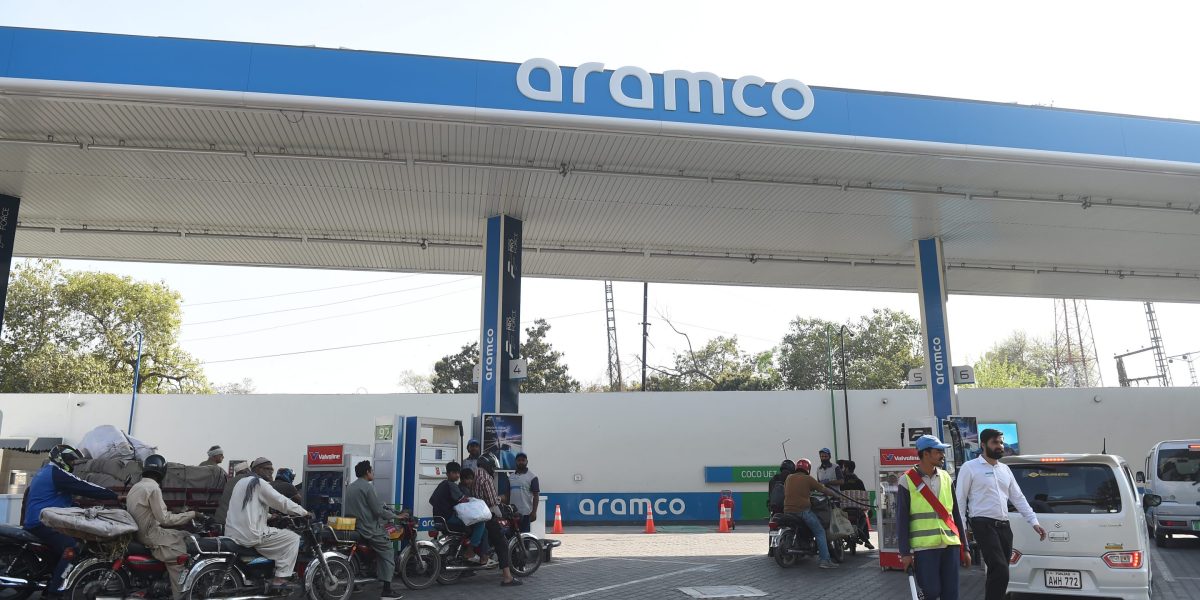
People who could afford to do it at that time realised that it was much cheaper and cost-effective and better for them in the long run to do a one-time investment in rooftop solar as opposed to keep paying high electricity bills from a grid that is also unreliable, said Nabiya Imran, an associate at Renewables First, a Pakistani thinktank.