Social media marketing
fromPsychology Today
3 days agoWhy Are We So Dependent on Social Media?
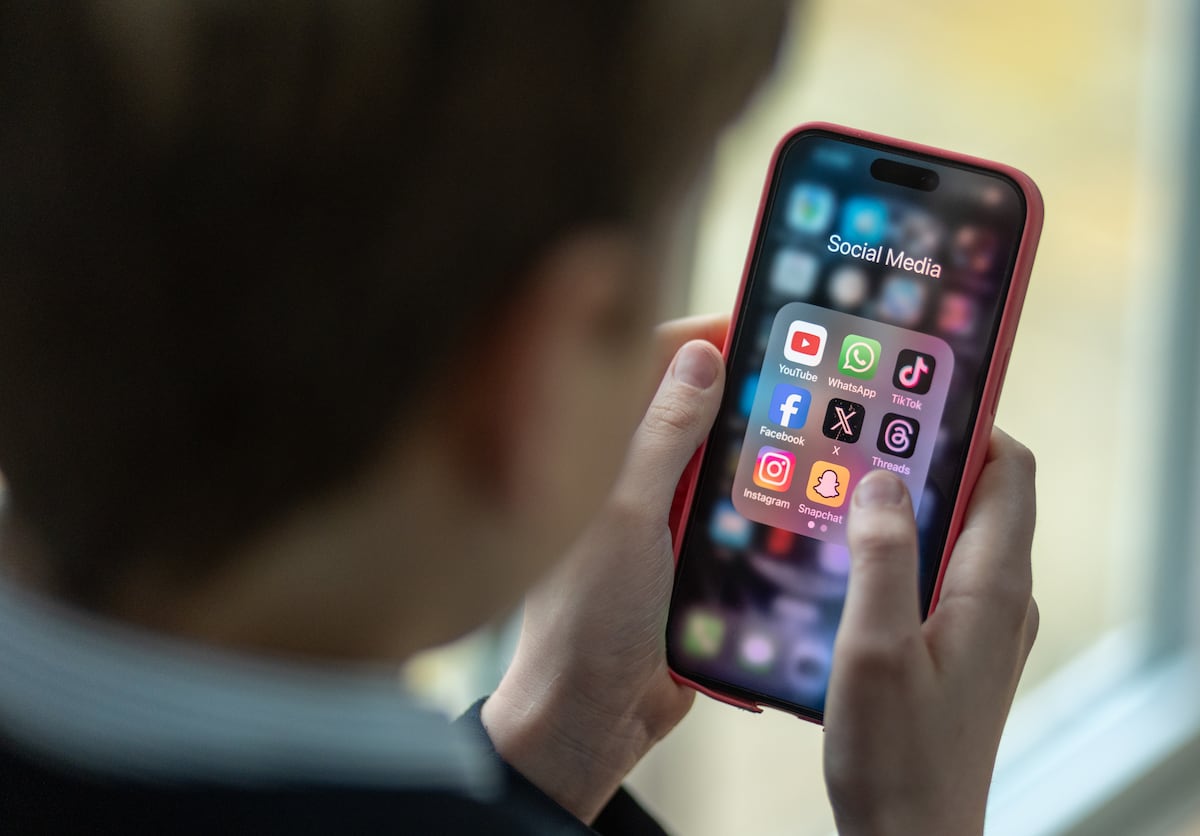
Social media's addictive design and users' need for identity and community contribute to deep dependence on these platforms.
"That requires a bunch of people to go take things that folks here are figuring out and [explain them] to the rest of the world," said Jeffrey Ladish, emphasizing the need for effective communication about AI risks.
Good Luck, Have Fun, Don't Die: Gore Verbinski's mad, mad, mad epic is angry, angry, angry. And with good reason. The apocalyptic dramedy shoots its poison-tipped arrows at two of the most deserving targets in America right now: our addiction to social media and our willingness to let AI assume command of our lives. Both trends get eviscerated, trashed and stomped on (this is by no means a subtle film) in cathartic ways.
It has become known as the war of nerves. An apt name for a jittery, jangling time in British history, consumed with fear of what may be coming, in which the sheer unpredictability of life became as the historian Prof Julie Gottlieb writes a form of psychological warfare. Contemporary reports describe threats of mysterious weapons, gigantic bluff, and a cat-and-mouse game intended to stampede the civilian population of this island into terror.
For much of the past century, doctors had a near-monopoly on medical knowledge. That is changing fast. There is a whole parallel system rising up, powered by consumer health. Anywhere there is a gap - in getting care, answers or reassurance - commercial players are jumping in. Health tech start-ups, apps, diagnostics, online clinics, influencers - they are all competing for authority, and figuring out how to monetise it.
This grief feels similar to what they would experience if their family member died, but in some cases, it feels even worse. Family estrangement has reached epidemic proportions. A 2022 survey found 29 percent of Americans are currently cut off from a parent, child, sibling, or grandparent, and a 2025 survey found 38 percent have experienced estrangement from a close family member at some point. These aren't just statistics. They're the tragic consequences of families ripped apart.
A recent Washington Post piece pulled together what a lot of us have been describing for years: the "brain rot" feeling isn't just slang. Researchers are linking heavy social media use and rapid-fire content to measurable changes in attention and memory, and the way it shows up day-to-day can look a lot like anxiety.