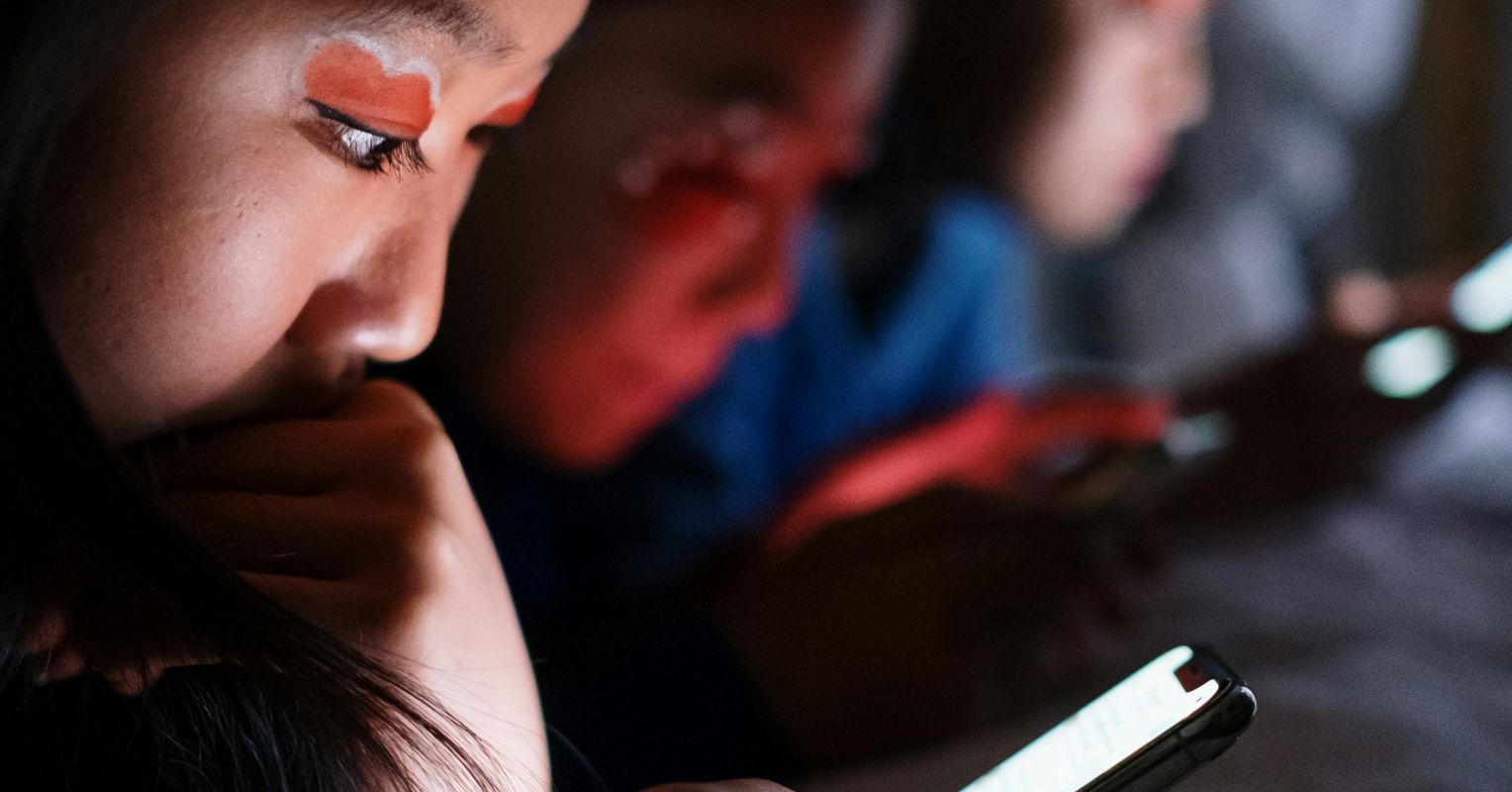
"A young woman took Meta and YouTube to court accusing them of making her addicted to social media-and she won. This raises many questions that currently have no clear answers."
"Approximately 60% of the global population use some kind of social media, if not multiple platforms. With such extensive use, social media addiction has become a focal point for many researchers."
"The DSM-5 does not recognize social media addiction as a distinct mental disorder; it is often discussed as a condition that requires more research."
"Social media addiction shares components with behavioral disorders like gambling, including salience, mood modification, tolerance, withdrawal, and conflict."
Social media usage is widespread, with one in three people engaging daily, averaging six hours in the USA. A recent court case in Los Angeles ruled in favor of a woman who claimed addiction to Meta and YouTube. Despite this, the DSM-5 does not classify social media addiction as a distinct disorder, indicating a need for more research. Social media addiction is characterized by excessive use leading to negative life impacts, sharing similarities with behavioral disorders like gambling, highlighting the urgency for clearer diagnostic criteria and legislative action.
Read at Psychology Today
Unable to calculate read time
Collection
[
|
...
]