Mental health
fromPsychology Today
2 weeks agoWhy Caregivers Are More Vulnerable to Doomscrolling
Caregivers are particularly vulnerable to doomscrolling due to their heightened sense of responsibility and emotional fatigue.
A recent Washington Post piece pulled together what a lot of us have been describing for years: the "brain rot" feeling isn't just slang. Researchers are linking heavy social media use and rapid-fire content to measurable changes in attention and memory, and the way it shows up day-to-day can look a lot like anxiety.
It's 4 a.m., and you are once again doomscrolling through the news on your phone. You are well aware that this is the opposite of good sleep hygiene, but you can't stop. It's an itch that you scratch, knowing full well it is counterproductive. Your emotional state is unsettled and extremely uncomfortable. You aren't ready to rest, and you definitely are not ready to face tomorrow morning.
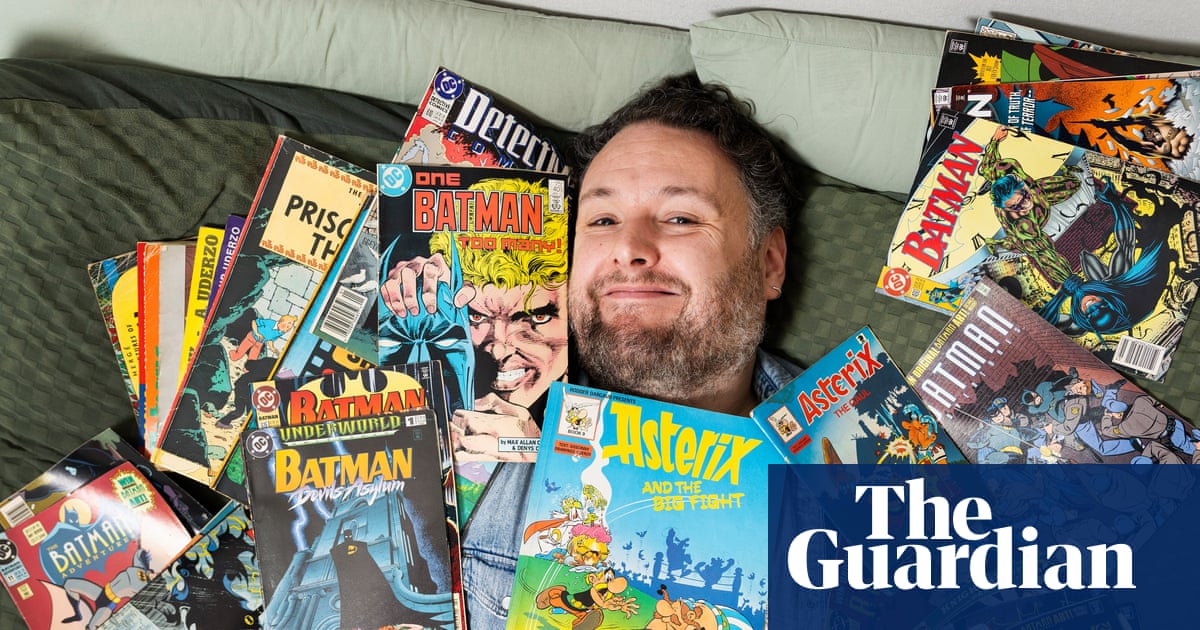
I sometimes joke that I'm not sure I actually like football, just Arsenal. Hate-watching rivals aside, if a game doesn't concern the Gunners it probably doesn't concern me, such is my one-club tunnel vision. Even then, there are occasions where my love of Arsenal appears debatable. As a friend recently put it to me: I've watched Arsenal games with you. I'm not sure you like Arsenal and yet you're possibly the most fervent Gooner I know. Ah, the torturous dance between joy and torment.
There is a word that has been adopted for this practice, now known as doomscrolling. This term refers to getting stuck in a social media rabbit hole, consuming more and more information. It's the act of continuing to scroll and read new content, even if that content might be upsetting or worrying. Doomscrolling was one of the Oxford English Dictionary's words for 2020, as this practice seemed to arise during the pandemic when so many people were inside and using social media more than usual.
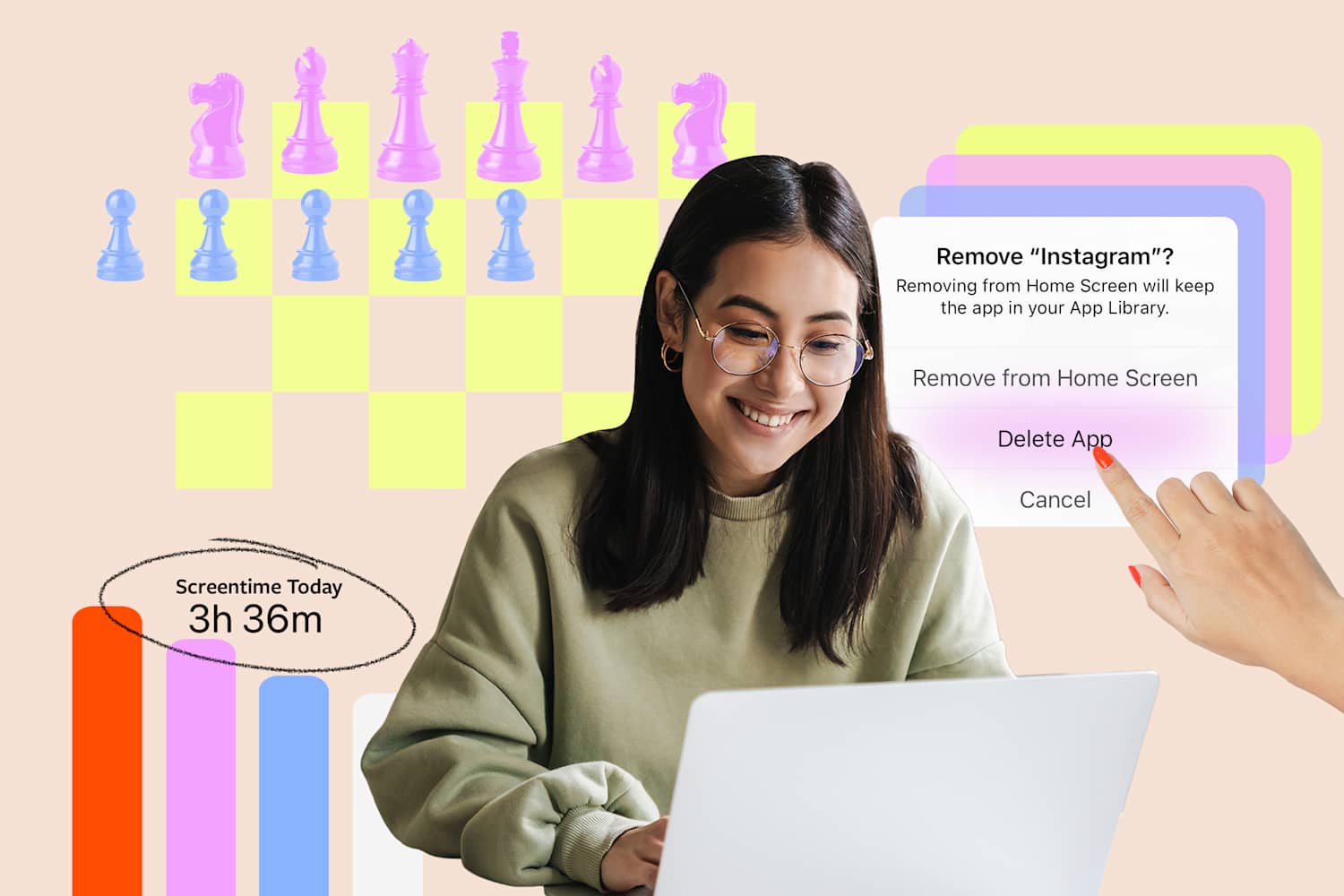
The bag is the source of all her entertainment: Loaded with portable activities like crossword puzzles, knitting needles, and watercolor paints, it's a deliberately screen-free way for Campbell to spend her in-between moments. The 31-year-old has dubbed this her "analog bag," and considers it a key weapon in her constant battle against doomscrolling and brain rot.
Have you ever fallen into a black hole on your phone? It might have started innocently enough, maybe a notification or text message. Yet, five hours later, you're swiping through videos as the day fades. Those hours can feel like seconds, leading us to miss out on life. Yet, excessive social media and habitual doomscrolling are becoming increasingly common problems, particularly for young people and young adults.
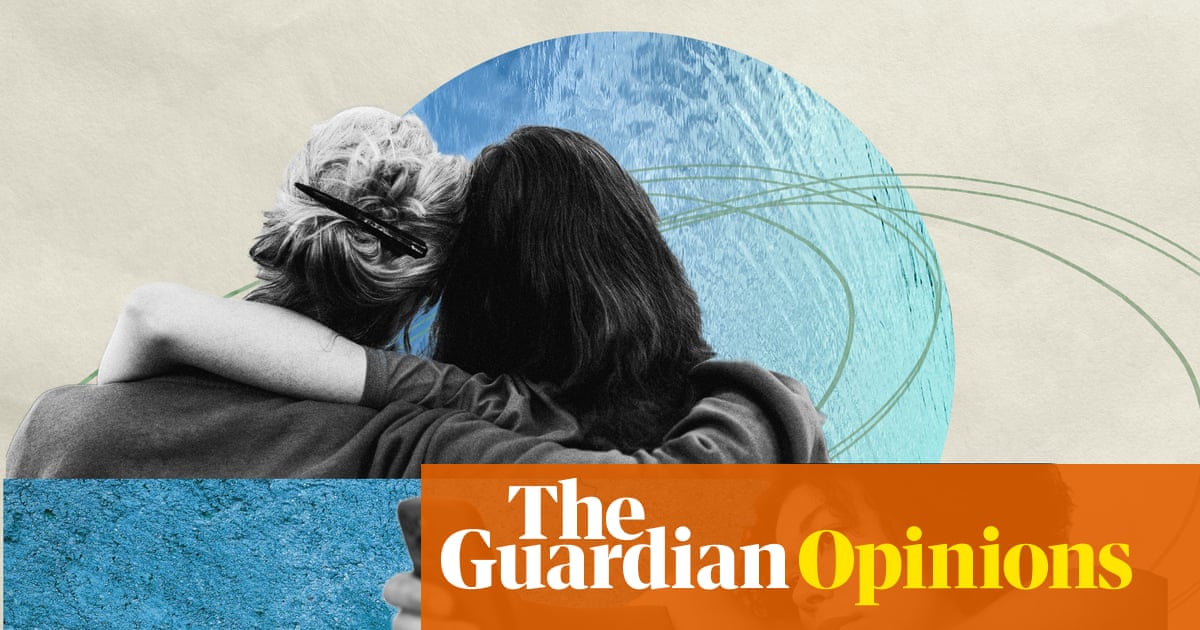
Back in 2011, Apple's iPhone ads plastered billboards with glossy images of people traveling, celebrating milestones. The message was seductive: This device is your ticket to belonging and intimacy. And in many ways, those ads weren't wrong. Smartphones made it easier to FaceTime across continents and capture memories-but they also planted a subtle belief: that closeness itself lived inside the device.
Tyler rejects the homogenisation of web design and decided to swerve Perfectly Imperfect into a lane of its own, inspired by the early internet aesthetics of "solid but saturated colours, lack of texture, MS Paint-style airbrushing, and a singular broadcast-style aesthetic", Brent David Freaney tells us. Brent's studio Special Offer collaborated with Tyler to bring the best parts of early internet's visuality, whilst still creating something that belongs in 2025.
Inflation is stubborn, unemployment is rising and Federal Reserve Chair Jerome Powell has even confirmed that Gen Z grads just can't get a break right now. But the youngest generation of workers already know that. In fact, they're so anxious about the state of the economy right now that they can't even sleep. So what are they doing about it? They're, perhaps counterintuitively, bed rotting and watching TV.