Digital life
fromwww.nytimes.com
3 days agoVideo: Opinion | One Chatbot to Rule Everything
AI models may become the primary interface for culture, shaping taste through personalized recommendations and stored preferences.

Lonelygirl15 became a cultural phenomenon, drawing viewers into a narrative that blurred the lines between reality and fiction, ultimately reshaping how audiences interact with online content.
Muscle memory refers to procedural memory, actions taken that do not require conscious thought (like riding a bike) as the motor movement has been embedded in the brain through repetition. Contextual mistakes in muscle memory—such as someone attempting to zoom in while drawing on paper versus a tablet computer or double-tapping a photograph instead of a social media feed—prove a potent starting point for Doe's latest body of work.
As we traverse an era dominated by algorithms and driven by the impulse for efficiency, we increasingly sacrifice our ability to feel. In this "age of emotional poverty," highlighted by philosopher Byung-Chul Han, our emotional landscapes grow flatter, our pains diluted, and genuine intimacy replaced with a sterile digital façade. However, in Gulu's evocative imagery, the body emerges as a resilient space of resistance, pushing back against a world that demands we conform to neat, predictable narratives.
On the way home, I screenshot and crop a news article and share it to one of my WhatsApp groups. In another group, a family member has posted an AI-generated video (forwarded many times) of Donald Trump getting his head shaved by Xi Jinping while Joe Biden laughs in the background. I watch the mindless slop on my phone as I walk along the main road, instinctively gripping my phone a little tighter as I do so.
Unlike most people, fainting at work is a rite of passage; she moderates videos on social media that have been reported for violating the terms of service. That means watching everything from horrible porn to horrible politics to horrible accidents and everything in between, a non-stop diet of videos with titles such as fetus in blender or strangulation but she doesn't die.
The modern digital landscape is dominated by warring platforms and constantly changing monetization schemes, leaving the average consumer with a daily scroll permeated by ads, slop, and the same six viral videos that have been circulating for years. During the early days of 2026, users on X popularized a word that encompasses why social media can feel just so annoying these days. It's called vagueposting - and you'll be seeing a lot more of it this year.
And now we live in an era in which a chatbot can write a passable sonnet, it is perhaps surprising that there hasn't been a huge shift in how film-makers approach this particular corner of sci-fi. Gareth Edwards' The Creator (2023) is essentially the same story about AIs being the newly persecuted underclass as 1962's The Creation of the Humanoids, except that the former has an $80m VFX budget and robot monks while the latter has community-theatre production values.
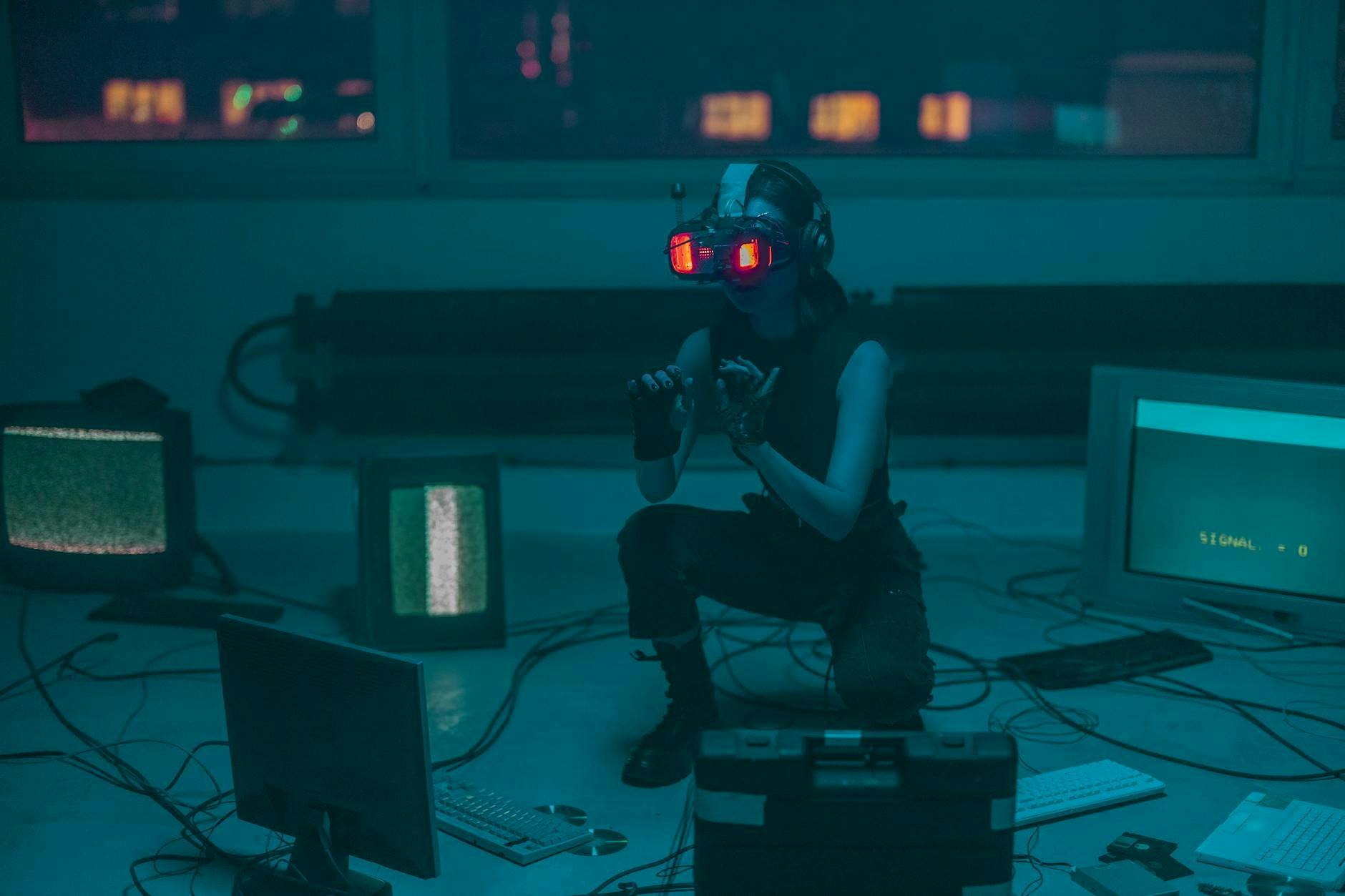
is a sprawling, hand-made cyberpunk ensemble film following detectives, streamers, pop stars, struggling families, corporate conspiracies and a rave-dancing hitman. Eschewing direct references to our world's online space, In the Glow of Darkness constructs a parallel reality of tech-run nightclubs, LAN party fraternities and a "meme-tripping" drug culture, where users get have their subconscious uploaded to a QR-code tramp stamp, which, when scanned, gives them euphoric hallucinations as well as sending AI-generated targeted ads directly to their brains.
Forget shiny disco balls and packed and pumping nightclubs. The hottest scene on a Saturday night in modern-day culture is right at home, online. Long gaming sessions are replacing late-night parties as the preferred way to socialize over weekends. The glow of an RGB keyboard, console, or smartphone touchscreen now competes with neon lights. For newer generations, gaming culture is much more than a pastime. Massive online multiplayer worlds and endless other digital hangouts offer ways to connect and find identity
We've lost our way because we're not prioritizing what truly matters. Our world has become so upside down that we once punished kids by sending them to their rooms-now we punish them by taking away screens and forcing them outdoors.
In our digital age, the fallout from a lack of accountability for sharing intimate images can wreak havoc on the lives of women, blending misogyny and technology in disturbing new ways.