#currency-control
#currency-control
[ follow ]
#inflation #federal-reserve #interest-rates #monetary-policy #treasury-yields #us-dollar #jerome-powell
#us-dollar

US Elections
fromLondon Business News | Londonlovesbusiness.com
2 weeks agoUS dollar rose amid a rebound in geopolitical concerns - London Business News | Londonlovesbusiness.com
The US dollar strengthened due to geopolitical fears and better-than-expected economic data, while uncertainty keeps market volatility high.

US Elections
fromLondon Business News | Londonlovesbusiness.com
2 weeks agoUS dollar rose amid a rebound in geopolitical concerns - London Business News | Londonlovesbusiness.com
The US dollar strengthened due to geopolitical fears and better-than-expected economic data, while uncertainty keeps market volatility high.

UK politics
fromLondon Business News | Londonlovesbusiness.com
1 day agoIMF warns the UK is on track for the fastest tax rise in major economies - London Business News | Londonlovesbusiness.com
The UK is projected to experience one of the largest tax increases among advanced economies, raising its tax-to-GDP ratio significantly by 2030.


#bitcoin



Cryptocurrency
fromBitcoin Magazine
1 day agoCzech National Bank Governor Will Soon Speak On Why They're Diversifying Their Reserves With Bitcoin
Aleš Michl will speak at Bitcoin 2026 about diversifying central bank reserves with Bitcoin, marking a historic moment for central bank representation at the conference.
fromThe Atlantic
1 day agoA Pillar of the Economics Establishment Admits That It Was Wrong
The World Bank's recent report argues that government intervention, when done right, can actually be an essential ingredient of economic success, reversing decades of opposition to industrial policy.
World politics
World news
fromLondon Business News | Londonlovesbusiness.com
2 days agoBailey says UK has a 'resilient banking system' as Middle East crisis ongoing - London Business News | Londonlovesbusiness.com
The ongoing Middle East war has caused a major supply shock, impacting global economies and UK inflation.





US politics
fromwww.theguardian.com
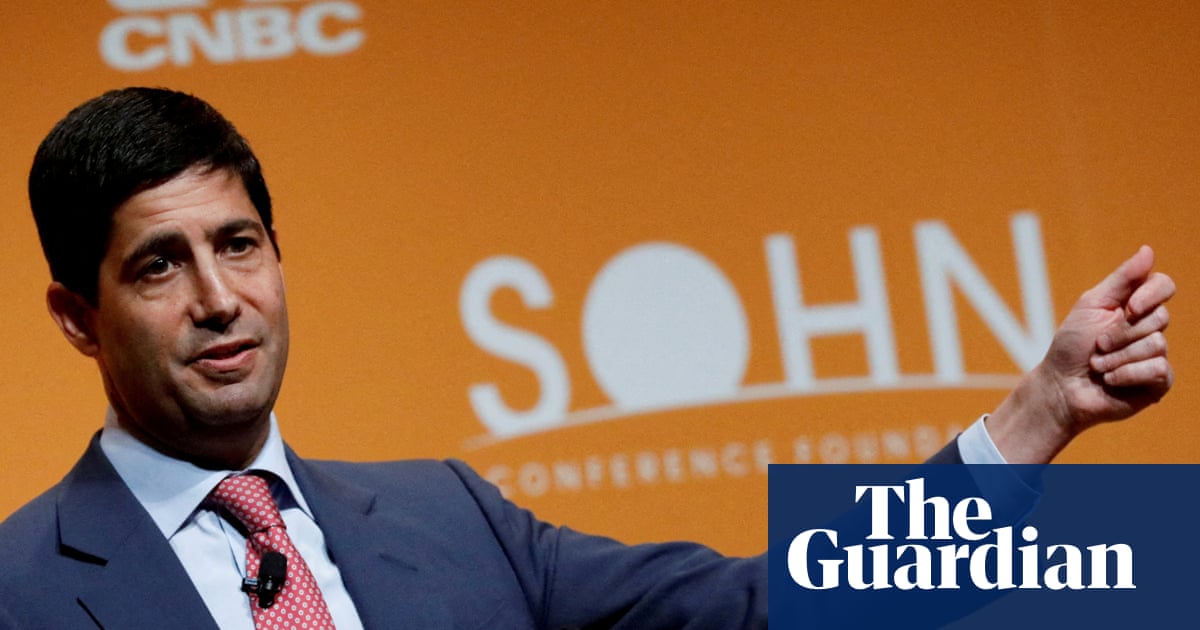
3 days agoTrump pick to lead Federal Reserve has assets worth over $100m, disclosures indicate
Kevin Warsh's financial disclosures reveal assets exceeding $100 million, including significant investments and commitments to divest if confirmed as Federal Reserve governor.
Europe news
fromLondon Business News | Londonlovesbusiness.com
3 weeks agoEuro rally falters as dollar regains strength on 'higher for longer' rates - London Business News | Londonlovesbusiness.com
EURUSD recovery shows fading momentum, reflecting a corrective rally rather than a trend reversal amid complex macroeconomic conditions.
UK news
fromLondon Business News | Londonlovesbusiness.com
4 weeks agoBank of England holds base rate amid Middle East war - London Business News | Londonlovesbusiness.com
The Bank of England held the base interest rate at 3.75% due to Middle East conflict uncertainty and rising energy prices threatening inflation expectations.
fromBitcoin Magazine
4 days agoBank Lobby Fires Back At White House Over Stablecoin Study
The American Bankers Association contends that the Council of Economic Advisers framed the wrong question by focusing on the effects of a prohibition rather than the implications of allowing yield as the market expands.
Cryptocurrency

Business
fromSilicon Canals
3 weeks agoGold crossed $5,300 the same week three central banks quietly dumped $47B in US Treasuries. That's not coincidence - it's coordination - Silicon Canals
Gold's price surge is driven by strategic positioning of central banks, not just fear, as they reduce US Treasury holdings amid geopolitical tensions.
#dollar-stability
World news
fromLondon Business News | Londonlovesbusiness.com
1 week agoDollar holds firm amid ongoing geopolitical uncertainty - London Business News | Londonlovesbusiness.com
The dollar remains stable amid geopolitical tensions, with demand as a safe-haven asset and rising Treasury yields supporting its value.
World news
fromLondon Business News | Londonlovesbusiness.com
1 week agoDollar holds firm amid ongoing geopolitical uncertainty - London Business News | Londonlovesbusiness.com
The dollar remains stable amid geopolitical tensions, with demand as a safe-haven asset and rising Treasury yields supporting its value.
US Elections
fromAxios
4 weeks agoFed keeps rates on hold, Powell says he will remain in place until successor confirmed
Powell commits to remaining at the Federal Reserve through a criminal investigation into his leadership, blocking his successor's confirmation and resisting Trump administration pressure to lower interest rates.
Business
fromwww.housingwire.com
4 weeks agoFed holds rates, officials signal wait and see on inflation risks
Oil price resolution timing in the Strait of Hormuz will determine whether inflation stays elevated, delaying Fed rate cuts, or eases, allowing Treasury yields and mortgage rates to decline toward early-year levels.
fromThe Drum
2 months agoWhat happens when our common currency becomes uncommon?
This is not new news, of course, but many in the industry seem to be finally waking up to the hard truth that data-driven media buying, as we know it today, is severely under threat and has to change. Cookies power everything we do, from humble frequency capping through to complex multi-touch attribution models, ad personalisation and audience segmentation. They underpin most of the gains we've made in performance advertising, as well as brand advertising, over the past decade.
.jpeg?width=1200&height=800&crop=1200:800)

fromLondon Business News | Londonlovesbusiness.com
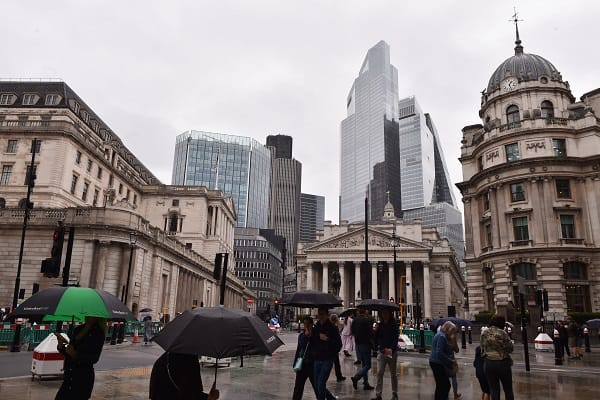
1 month agoDollar under pressure as geopolitical concerns ease - London Business News | Londonlovesbusiness.com
The expectations of a decrease in tensions triggered a pullback in oil prices, which in turn softened immediate concerns about inflation pressures. However, the broader geopolitical backdrop remains fragile, and any renewed escalation could quickly push oil prices, the dollar, and Treasury yields higher again.
World politics
fromLondon Business News | Londonlovesbusiness.com
2 months agoECB keeps rates on hold despite below-target inflation - London Business News | Londonlovesbusiness.com
The European Central Bank (ECB) held its key interest rates unchanged following the February meeting of the Governing Council, in line with Cebr projections. This marks the fifth consecutive hold, despite a below-target inflation reading of 1.7% in January, the lowest level since 2021. The decision to hold rates also comes despite a recent Euro rally against the dollar, which is expected to add disinflationary pressure through cheaper imports and weigh on growth by making the bloc's exports more expensive.
Miscellaneous
fromwww.sandiegouniontribune.com
2 months agoIs a weaker U.S. dollar a good thing?
The U.S. dollar's value has fallen 8% over the past year, as the price of gold has skyrocketed, said the WSJ Dollar Index. Some think it is a good thing. President Donald Trump said recently a weaker dollar is great. The idea is a weaker currency boosts exports and employment while a strong currency can throttle an economy. While the idea of a weaker dollar has had supporters over the decades, economists often argue gains can be eaten up by domestic inflation and deflation.
US news
World politics
fromLondon Business News | Londonlovesbusiness.com
1 month agoThe Euro Could Head Closer to Unity with the Dollar - London Business News | Londonlovesbusiness.com
EUR/USD declines toward parity as energy crisis concerns and rising eurozone inflation pressure the euro while US Treasury yields support dollar strength.
Business
fromLondon Business News | Londonlovesbusiness.com
1 month agoThe significant events in the global economy over the past week - London Business News | Londonlovesbusiness.com
U.S. equity markets declined amid AI disruption concerns and trade uncertainty, while European markets gained strength with solid earnings and diversification appeal.
fromLondon Business News | Londonlovesbusiness.com
2 months agoDollar struggle and monetary policy shape the next phase - London Business News | Londonlovesbusiness.com
The resilience of gold above $4,800 per ounce at this stage reflects a delicate and complex balance between traditional supporting factors and emerging pressures-one that cannot be superficially interpreted or reduced to the movement of the dollar alone. It is true that the U.S. dollar's retreat from its recent peaks, after failing to sustain its recovery momentum from a four-year low, provided gold with a short-term breather and attracted some buyers.
Business
Business
fromLondon Business News | Londonlovesbusiness.com
2 months agoA look at the significant events in the global economy over the past week - London Business News | Londonlovesbusiness.com
U.S. markets rotated away from large-cap technology toward smaller and value stocks amid cooling labor-market signals, mixed economic activity, and falling bond yields.
World news
fromwww.theguardian.com
2 months agoThe dollar is losing credibility': why central banks are scrambling for gold
Central banks worldwide are rapidly increasing gold reserves, repatriating bullion and reducing dollar exposure as geopolitical tensions and doubts about US monetary credibility rise.
[ Load more ]