""We have decades of experience now dealing with these kinds of oil shocks," said Amy Myers Jaffe, research professor at New York University's Center for Global Affairs."
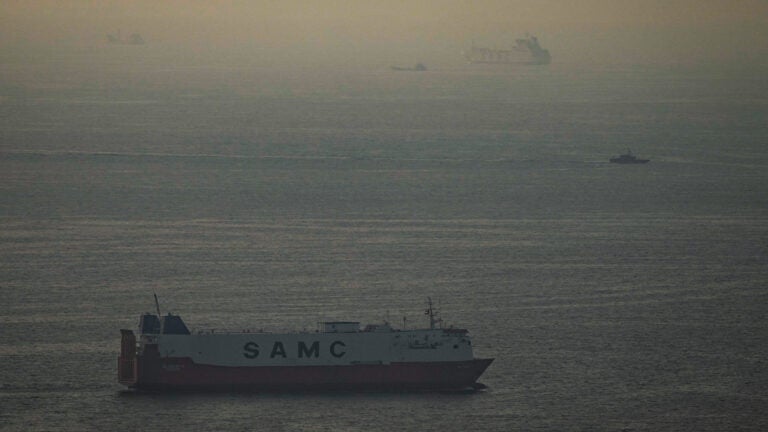
"The sheer scale is unprecedented. In response to attacks by the United States and Israel that began Feb. 28, Iran effectively shut off the Strait of Hormuz, through which 20 million barrels of oil - or one-fifth of global production - flowed daily."
The world economy is facing rising oil prices reminiscent of the 1970s due to Middle Eastern conflicts. This surge threatens stagflation, characterized by high prices and slow growth. However, economies today are less vulnerable than during past oil shocks, thanks to increased energy efficiency and reduced dependence on Middle Eastern oil. Despite this, American motorists and global consumers are feeling the impact of high fuel prices, with significant disruptions in oil supply from the Strait of Hormuz affecting global production.
Read at Boston.com
Unable to calculate read time
Collection
[
|
...
]