#cultural-monuments
#cultural-monuments
[ follow ]
#cultural-heritage #archaeology #ancient-egypt #heritage-preservation #unesco-world-heritage-sites #tourism


fromCN Traveller
5 years agoDevastatingly beautiful towns in Puglia, Italy: 10 places to add to your bucket list
Puglia is known for its white-washed, time-stamped villages, dotted with generations-old trattorias and bougainvillaea-lined cobblestone streets, as well as its beautiful beaches.
Madrid food
fromArtnet News
1 week agoColosseum Facelift Restores Ancient Southern Entrance to Its Former Glory
"[The project] has finally restored the perception of the monument's original size and floor level," architect Stefano Boeri said in a statement. "It also offers the public the opportunity to approach its walls and imagine the rhythm and sequence of the ambulatories and arches, now lost. It's a respectful and useful project that completes research carried out by the archaeologists of the Colosseum Archaeological Park."
Arts
World news
fromThe Art Newspaper - International art news and events
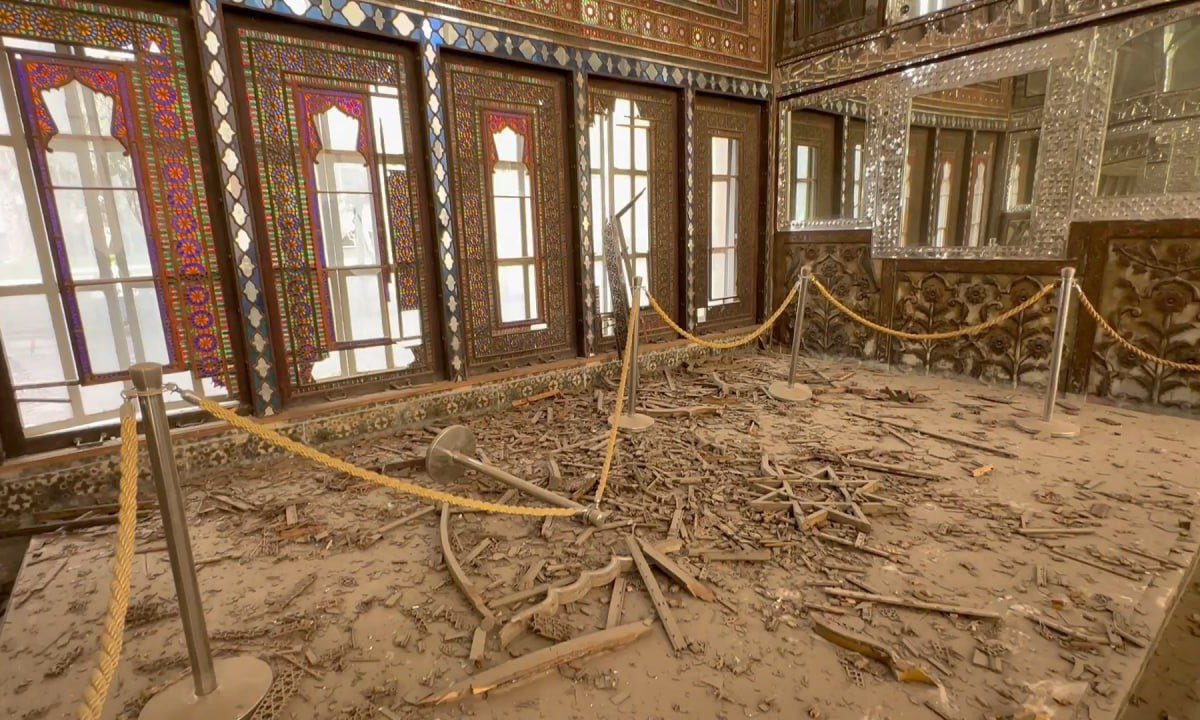
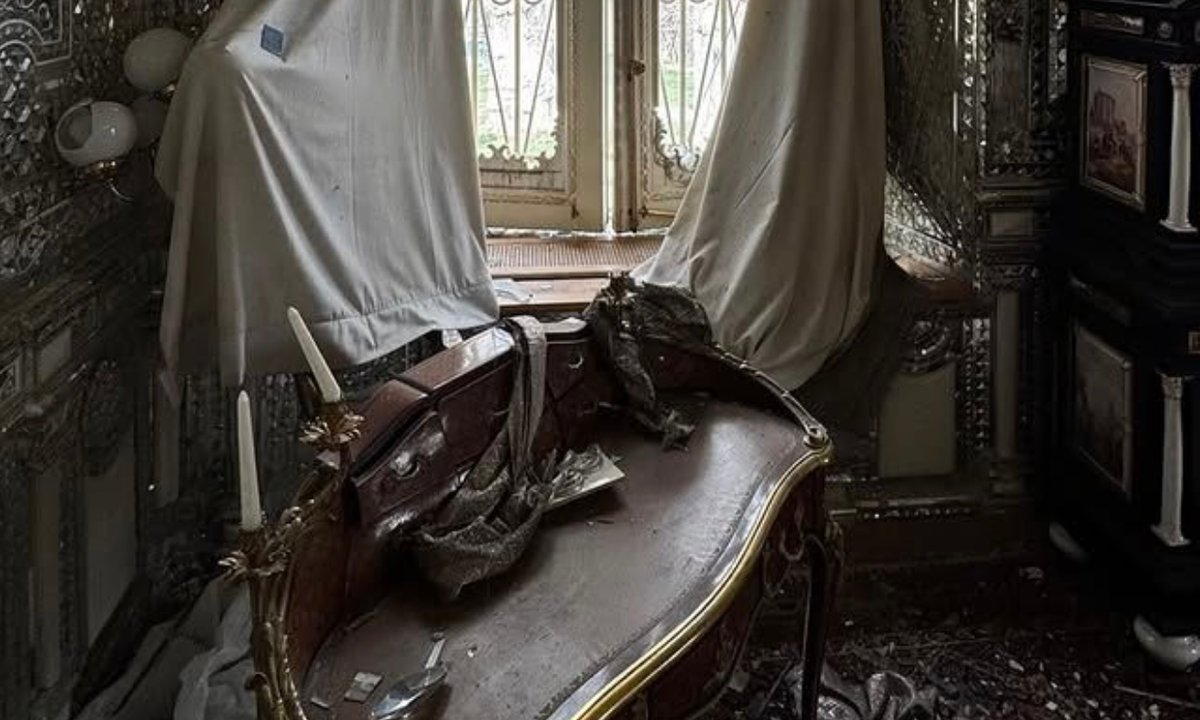
2 weeks agoIn a month of war, Iran's cultural heritage has suffered huge damage
Iran's war has caused severe damage to cultural heritage, infrastructure, and loss of life, notably impacting sites like Golestan Palace and Chehel Sotoun Palace.


fromThe Art Newspaper - International art news and events
2 weeks agoUnesco grants enhanced protection to 39 Lebanese heritage sites as war escalates
The designation prohibits the sites from being targeted or used for military purposes, with violations potentially constituting serious breaches of the 1954 Hague Convention and grounds for criminal responsibility.
Arts
fromMedievalists.net
1 week agoNorway Invests Millions to Preserve Medieval Sites - Medievalists.net
"The ruins from the Middle Ages are part of our common history. With these grants, we are strengthening the work that makes it possible to preserve them, not only as historical traces, but also as living sources of knowledge for both researchers, craftsmen and local communities."
History
fromCN Traveller
3 weeks ago7 wonders of Greece for 2026
The Rio-Antirrio Bridge, with its triangular sections resembling giant sails, is the world's longest multi-span cable-stayed bridge, spanning 2,880 meters across the Rion Strait. Completed in 2004, it transformed travel between the Peloponnese and mainland Greece, reducing ferry crossing times significantly. The views from the bridge are breathtaking, offering glimpses of the indigo waters and majestic mountain ranges.
Europe news
fromThe Art Newspaper - International art news and events
3 weeks agoComment | Museums must be the leaders in a moral revolution
Bregman claims, 'Today the whole of Europe risks turning into one big Venice, a beautiful open-air museum. A great destination for Chinese and American tourists. A place to admire what was once the centre of the world.' This statement encapsulates the concern that Europe is losing its cultural significance.
Arts
London food
fromIndependent
1 month agoAn Irish Goodbye... from Cairo: 'You'd be surprised how often you visit the pyramids when you actually live here'
A creative director from Northern Ireland relocated to Cairo in 2024 after experiencing an immediate emotional connection to the city's unique energy during a visit.
World politics
fromArchDaily
1 month agoCultural Heritage Sites in the Middle East Damaged as War Strikes Historic Urban Areas
US-Israeli military attacks on Iran in February 2026 initiated a new Middle East conflict zone, joining multiple global armed conflicts causing widespread destruction of cultural and infrastructure assets.


fromTravel + Leisure
1 month agoThese Are the 25 Top Cultural Destinations in the World for 2026, According to Tripadvisor
Singapore has a special way of blending old traditions with modern life, especially evident in its historic neighborhoods like Chinatown, Little India, and Kampong Glam. There, colorful shophouses, temples, and mosques sit alongside cafes and boutiques, while long-standing food and craft traditions remain part of daily life.
Berlin
fromThe Art Newspaper - International art news and events
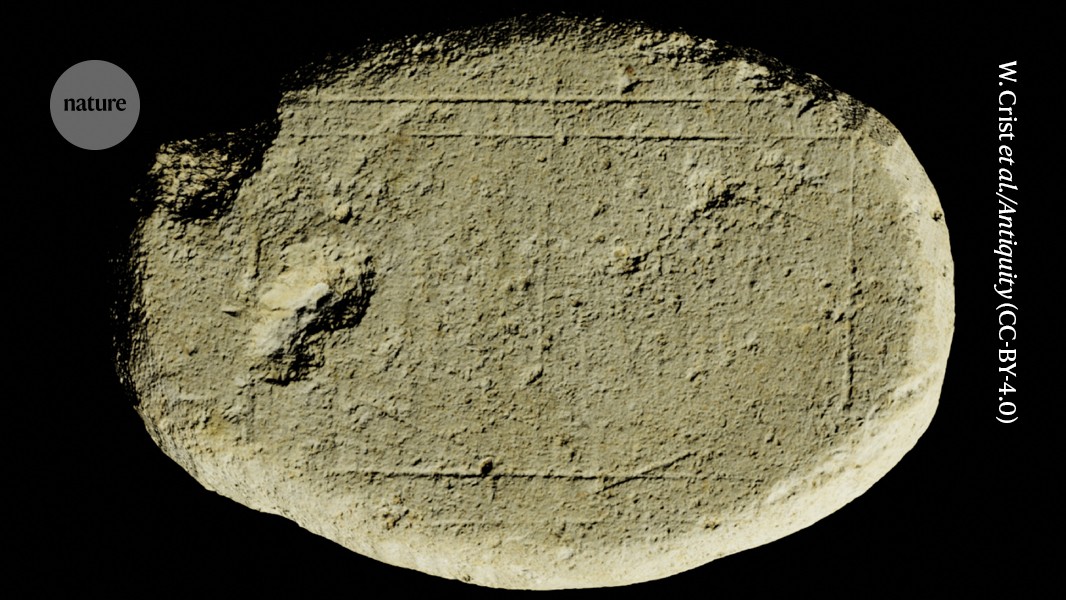
1 month agoAncient Egyptian 'Tipp-Ex' discovered on papyrus at UK's Fitzwilliam Museum
The corrective fluid analysed using light infrared photography revealed a mixture of huntite and calcite, while images made using a 3D digital microscope show that there also are flecks of yellow orpiment, probably to make it blend in better with the fresh papyrus, which would have originally been pale cream in colour.
Typography
fromVulture
1 month agoA World Forever in the Shadow of Apocalypse
At least that's the mood director Gianfranco Rosi evokes in his mesmerizing documentary Pompei: Below the Clouds, which won a Special Jury Prize at the Venice Film Festival last year and is finally being released theatrically in the U.S., ahead of a March 27 streaming premiere on Mubi. The apocalypse Rosi presents is not just the legendary one that destroyed the ancient Roman town of the film's title but an ongoing one that encompasses the calamities of our modern era as well as the rejuvenation that sometimes accompanies destruction.
Film
fromArtnet News
4 weeks agoThe Cultural Heritage Sites Damaged by the U.S.-Israel War on Iran
After the historical Iranian city of Isfahan was targeted by several major strikes, its governor Mehdi Jamalinejad claimed that serious damage had been inflicted even after blue shields were put on the roofs of culturally important buildings. This is an internationally recognized signal under the 1954 Hague Convention for the Protection of Cultural Property in the Event of Armed Conflict.
Arts
fromCN Traveller
2 months ago7 wonders of Europe for 2026
Europe has never been short on spectacle. Yet beyond the headline cities and endlessly recycled itineraries lies a quieter, deeper continent; one that's best encountered through patience and a willingness to detour from the obvious itinerary. Our 7 wonders of Europe for 2026 in Europe are not places that beg for attention. Instead, they reward those prepared to explore more than a few miles from the nearest airport and linger a little longer than planned.
Travel
London politics
fromwww.standard.co.uk
1 month agoTower of London 'at-risk of serious harm' under draft plan for Square Mile
Historic England warns that the City of London Corporation's City Plan 2040 poses serious risks to the Tower of London's preservation due to excessive development scale and location.
Media industry
fromConde Nast Traveler
3 years agoThe Seven Wonders of the World for 2026 (That You Can Actually Visit)
Rob is a Brixton-based freelance writer, broadcaster and playwright; associate editor of Luxury London; contributor to national papers; Special Correspondent for BBC Radio Four Feedback.
Arts
fromOpen Culture
1 month agoThe Met Releases High-Definition 3D Scans of 140 Famous Art Objects: Sarcophagi, Van Gogh Paintings, Marble Sculptures & More
The Metropolitan Museum of Art now offers high-definition 3D scans of its artifacts, enabling unprecedented close examination and interaction with masterpieces through digital zoom, rotation, and augmented reality technology.


fromThe Art Newspaper - International art news and events
1 month agoTurkey's heritage power grab: new law threatens Istanbul's opposition-run cultural sites
A new law empowering Turkey's central government to seize historic properties from local authorities is raising fears that heritage sites are becoming the latest front in a wider campaign against opposition-led municipalities. Among the sites at stake are cultural venues run by the Istanbul municipality, whose mayor Ekrem İmamoğlu launched an ambitious conservation drive and expanded cultural programming before he was jailed last year after announcing plans to run for president.
Miscellaneous
World news
fromCN Traveller
1 month agoIs it safe to travel to Egypt now?
The FCDO advises against all but essential travel to multiple regions in Egypt including northern South Sinai, eastern Ismailiyah, and most of the Western Desert, with specific exceptions for tourist destinations and designated roads.
Arts
fromThe Art Newspaper - International art news and events
1 month agoUnesco sites in Iranian city of Isfahan damaged by US-Israel strikes
UNESCO World Heritage sites in Iran, including Isfahan's Safavid monuments, have sustained significant damage from US-Israeli military strikes, threatening irreplaceable cultural artifacts and architectural treasures.
fromOpen Culture
1 month agoSeven Wonders of the Ancient World: From the Walls of Babylon to the Sewers of Rome
Seven were the strings of the lyre (unless there happened to be eight or nine), seven were the gates of Thebes, and seven were the "wandering stars" in the night sky (if you count the sun and moon). The identity of the wonders was less important than the length of their list, and indeed, additions and changes were proposed since the beginning.
History
Travel
fromBusiness Insider
2 months agoAs a travel planner, I rarely recommend Paris or Rome. Instead, I swear by these 5 European gems.
Five European destinations—including Liverpool, Cinque Terre, and Porto—offer musical heritage, coastal scenery, historic charm, and distinctive culinary experiences every traveler should experience.
fromYanko Design - Modern Industrial Design News
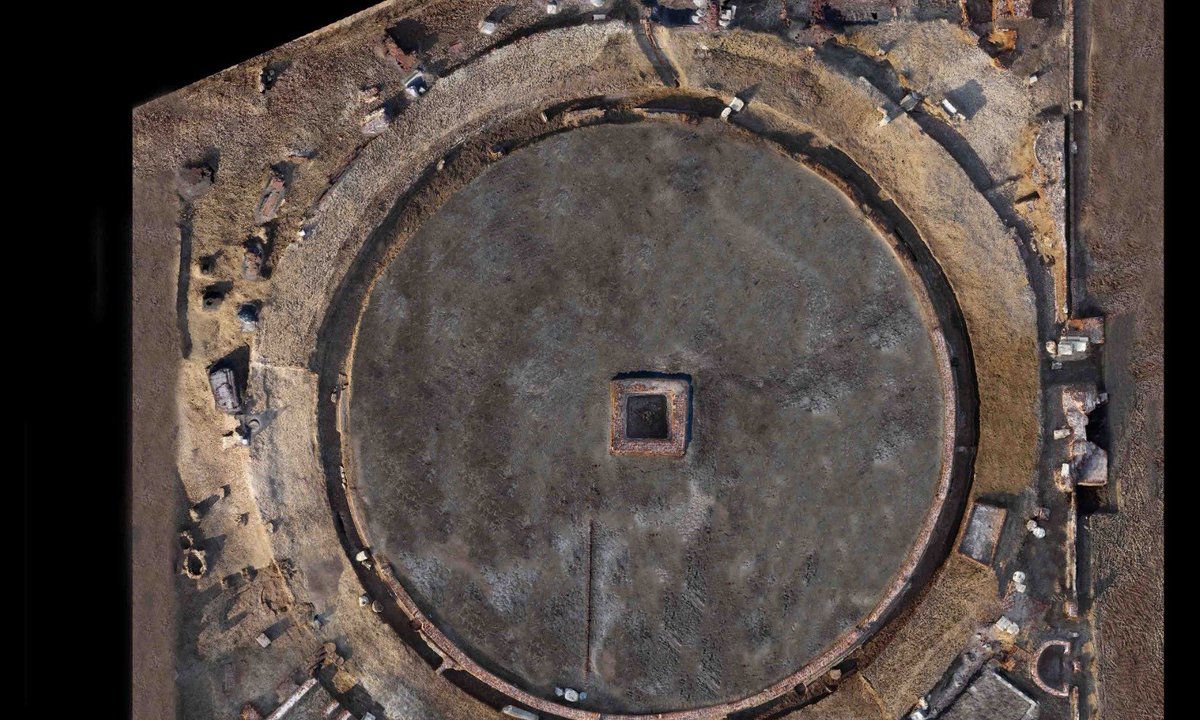
2 months agoThis 3D-Printed Roof Is Saving 2,000-Year-Old Roman Tombs - Yanko Design
What makes this canopy special isn't just that it uses 3D printing technology, though that's certainly impressive. It's the way the designers thought about the entire system. Rather than simply throwing a roof over the tombs and calling it a day, they created what's essentially a climate-control system disguised as architecture. The canopy features a double-layer envelope that does way more than keep rain off ancient stone. Built into this roof are ventilation and air extraction components that actively regulate temperature and humidity.
Design
fromArchDaily
2 months agoShaping Architectural Continuity: 25 Revitalization Projects Across Historic, Industrial, and Natural Sites
Heritage sites constitute complex spatial archives in which architecture, history, and collective memory converge. They encompass a wide spectrum of contexts-from archaeological remains, ancient and historic townscapes, UNESCO-listed landscapes, to early modern civic structures and industrial infrastructures. Yet these environments confront challenges: climate change, urban transformation, disaster, shifting social needs, and the gradual erosion of material fabric. Revitalization and restoration projects respond to these conditions by positioning architectural and spatial practice as an active mediator between preservation and the contemporary topologies.
Renovation
Renovation
fromArchDaily
2 months agoUnited Nations' Africa Hall Restoration in Ethiopia Receives 2026 World Monuments Fund/Knoll Modernism Prize
Architectus received the 2026 WMF/Knoll Modernism Prize for conserving UN Historic Africa Hall, restoring it as an active venue for diplomacy and cultural exchange.
History
fromWorld History Encyclopedia
1 month ago12 Great Cities of Ancient Mesopotamia: The Rise and Fall of the Earliest Cities in the World
Twelve major Mesopotamian cities including Nineveh, Uruk, Babylon, and Ur became legendary through Greek writings and yielded significant archaeological discoveries, each connected to a patron deity whose prestige determined the city's fate.
fromMail Online
2 months agoMystery of Egypt's pyramids deepens as hidden megastructure revealed
More than 200 scans from multiple satellites, including Italy's Cosmo-SkyMed and the US-based Capella Space, showed uniform results suggesting massive pillars about 65 feet in diameter wrapped in spirals and plunging nearly 4,000 feet deep. Those pillars appear to end in 260-foot cubic chambers beneath all three pyramids and the Sphinx, which Biondi described as 'huge chambers' measuring roughly 260 feet in length and width.
History
History
fromTime Out London
2 months agoA new 'Cleopatra' immersive experience in London will be all about Ancient Egypt
Cleopatra: The Experience opens at Immerse LDN as a 3,000 square metre, nine-gallery immersive exhibition tracing the late Ptolemaic dynasty with artefacts, AR, VR and staged environments.
fromwww.thehistoryblog.com
2 months agoRare Mithraic altars found in Scotland go on display for the first time
Two exceptionally rare and beautifully carved Mithraic altars found in Inveresk, East Lothian, Scotland, are going on display for the first time. They are not just the only Roman altars ever found in Scotland, but are among the finest examples of Roman sculpture in Roman Britain. They are also uniquely early in date, having been made in 140s A.D. during Antoninus Pius' reoccupation of southern Scotland, whereas most other archaeological materials related to the worship of Mithras in Britannia date to the 3rd century.
fromMail Online
2 months agoMysterious symbols spanning the globe hint at a lost civilization
His investigation began after identifying recurring giant T-shapes, three-level indents, and step pyramids carved into ancient stones worldwide. 'These specific symbols that are built in different size proportions, and the symbols are found in ancient stones around the world, are not supposed to exist; no cultures are supposed to have any cross-platform,' LaCroix explained. The symbols appear in locations ranging from Turkey's Van region to South America and Cambodia.
History
History
fromWorld History Encyclopedia
2 months agoMesopotamian Art and Architecture: The Birth of Art and Architecture in the Ancient World
Mesopotamian art and architecture began over 7,000 years ago, evolving from northern sites into Sumerian innovations and sustained through multiple ancient Mesopotamian periods.
fromMedievalists.net
2 months agoByzantine Monastic Site Found in Upper Egypt - Medievalists.net
The team identified multiple buildings aligned roughly west-east, in several sizes, ranging from about 8 × 7 metres to 14 × 8 metres. Within these structures are rectangular halls-some interpreted as spaces for worship-alongside smaller rooms that may have served devotional or practical functions for the monks. Excavators also noted evidence of plastered wall surfaces and tiled floors, as well as architectural features such as entrances and surviving supports, including beams.
History
[ Load more ]