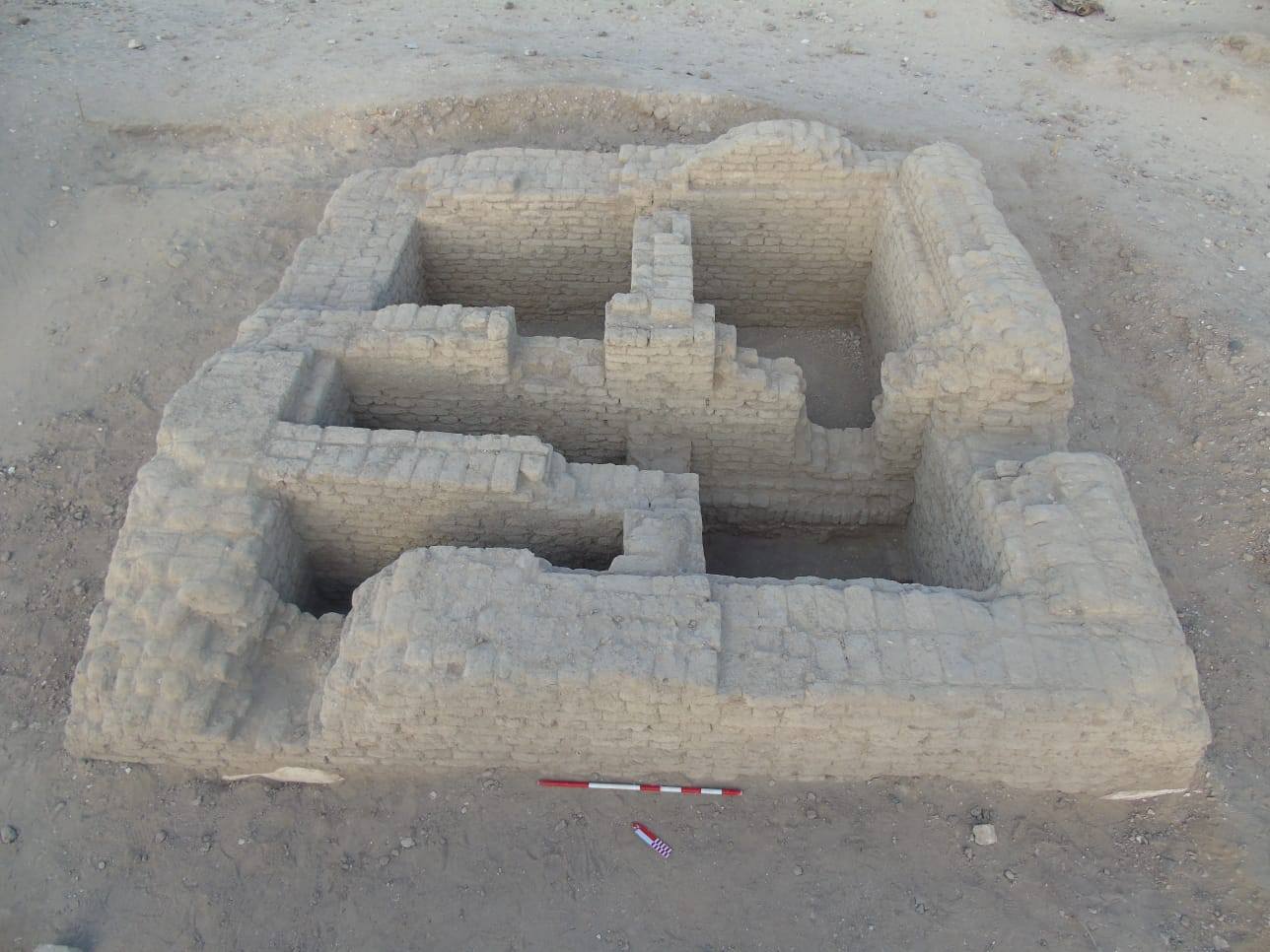
"The team identified multiple buildings aligned roughly west-east, in several sizes, ranging from about 8 × 7 metres to 14 × 8 metres. Within these structures are rectangular halls-some interpreted as spaces for worship-alongside smaller rooms that may have served devotional or practical functions for the monks. Excavators also noted evidence of plastered wall surfaces and tiled floors, as well as architectural features such as entrances and surviving supports, including beams."
"One of the most substantial discoveries is a larger mudbrick building running east-west, measuring roughly 14 × 10 metres, which archaeologists believe may have been the main church serving the complex. The reported plan includes three parts-often described as nave, choir, and sanctuary-and the surviving supports suggest the central space may once have carried a dome. At the eastern end was a semi-circular apse, with side chambers on either side."
Archaeologists uncovered an integrated residential complex for a Byzantine-era monastic community at al-Duweir in the Tima district of Sohag Governorate, Upper Egypt. Multiple west-east aligned mudbrick buildings range from about 8 × 7 to 14 × 8 metres and include rectangular halls, smaller rooms, and a larger 14 × 10 metre building interpreted as the main church with nave, choir, sanctuary, and a semicircular apse. Excavations revealed plastered wall surfaces, tiled floors, entrances, and surviving supports including beams, plus small circular communal structures. Finds include amphorae, ostraca bearing Coptic writing, limestone panels inscribed in Coptic script, and red-brick limestone-plastered basins possibly for water storage.
Read at Medievalists.net
Unable to calculate read time
Collection
[
|
...
]