#colin-granger
#colin-granger
[ follow ]
#contemporary-art #art-exhibition #art #marcel-duchamp #photography #art-exhibitions #new-york-art-scene
fromDesign Milk
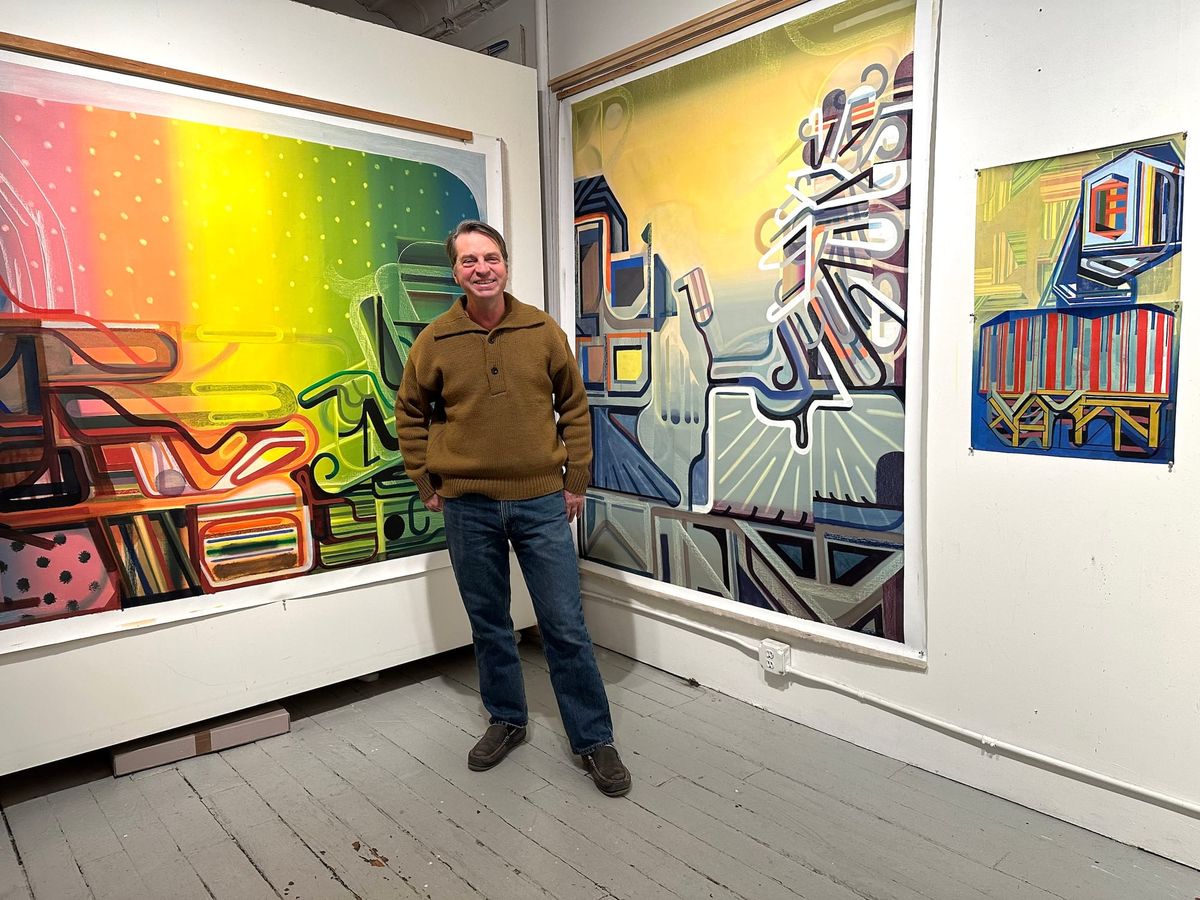
1 day agoSabah House NYC Pays Homage To Set + Setting
Sabahs are made entirely by hand from 100% leather in either Texas or Turkey—two regions with distinct yet deeply rooted relationships to the material. The result is a shoe that varies subtly from pair to pair, even within the same size.
Brooklyn
Washington DC
fromThe Art Newspaper - International art news and events
3 weeks agoHirshhorn Museum's revamped sculpture garden will feature new acquisitions by Mark Grotjahn, Lauren Halsey and more
The Hirshhorn Museum's sculpture garden will reopen with eight new works by various artists, enhancing the cultural landscape of Washington, DC.
#marcel-duchamp
Arts
fromdesignboom | architecture & design magazine
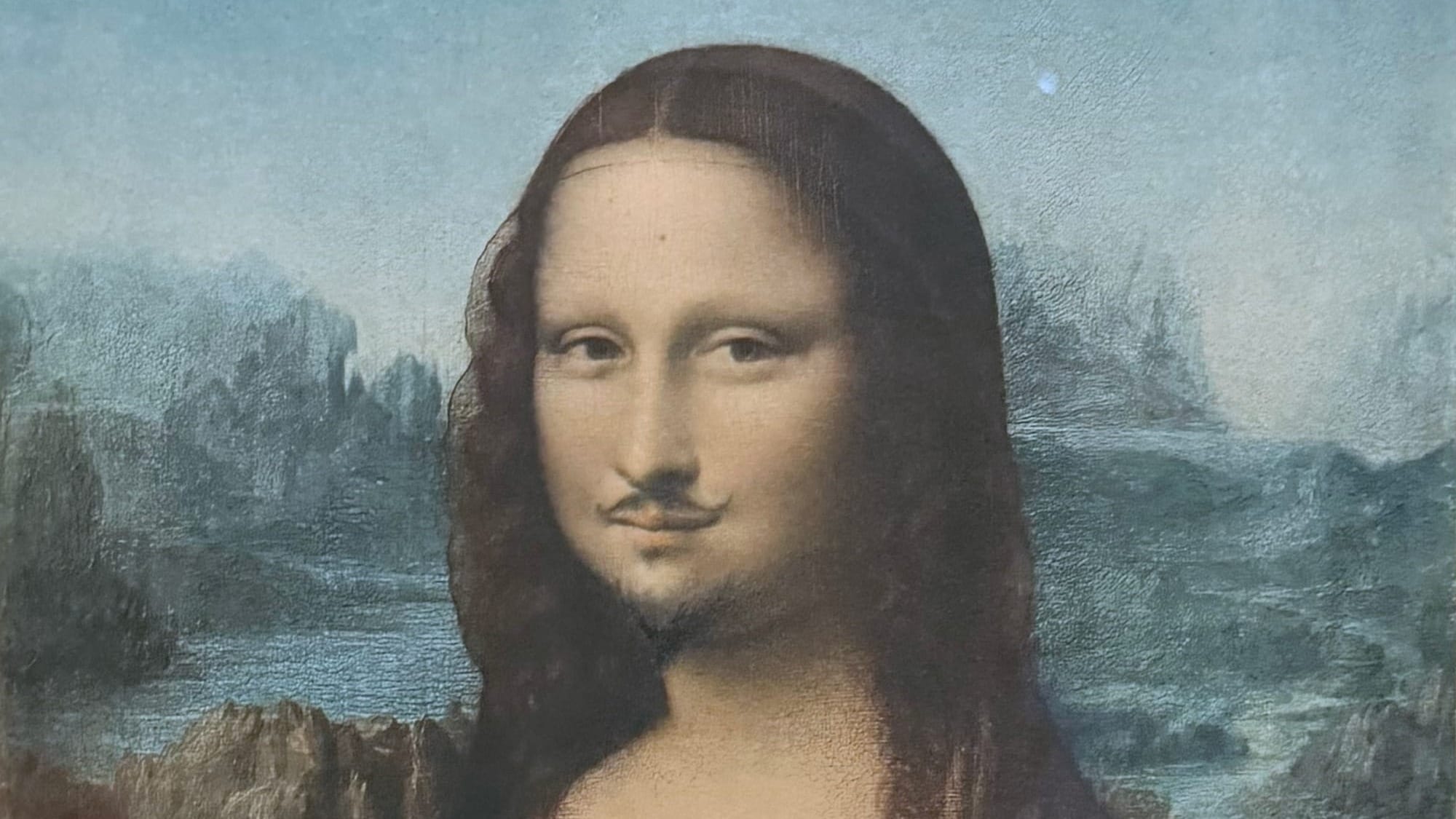
1 day agowhat the readymade still asks: marcel duchamp returns to new york at MoMA and gagosian
Marcel Duchamp's readymades challenge traditional notions of art, emphasizing the role of displacement and designation in transforming ordinary objects into conceptual events.

Arts
fromdesignboom | architecture & design magazine
1 day agowhat the readymade still asks: marcel duchamp returns to new york at MoMA and gagosian
Marcel Duchamp's readymades challenge traditional notions of art, emphasizing the role of displacement and designation in transforming ordinary objects into conceptual events.
fromHyperallergic
1 day agoMoMA PS1's "Greater New York" Is Gritty, Stunning, and Gutting
The curators of Greater New York really captured the energy of the city well - not the out-of-towner's New York with its glossy surfaces, brands, and trendy fare, but the gritty New York that's always in the process of formation, that rejects surface in favor of rawness.
Arts
fromArtnet News
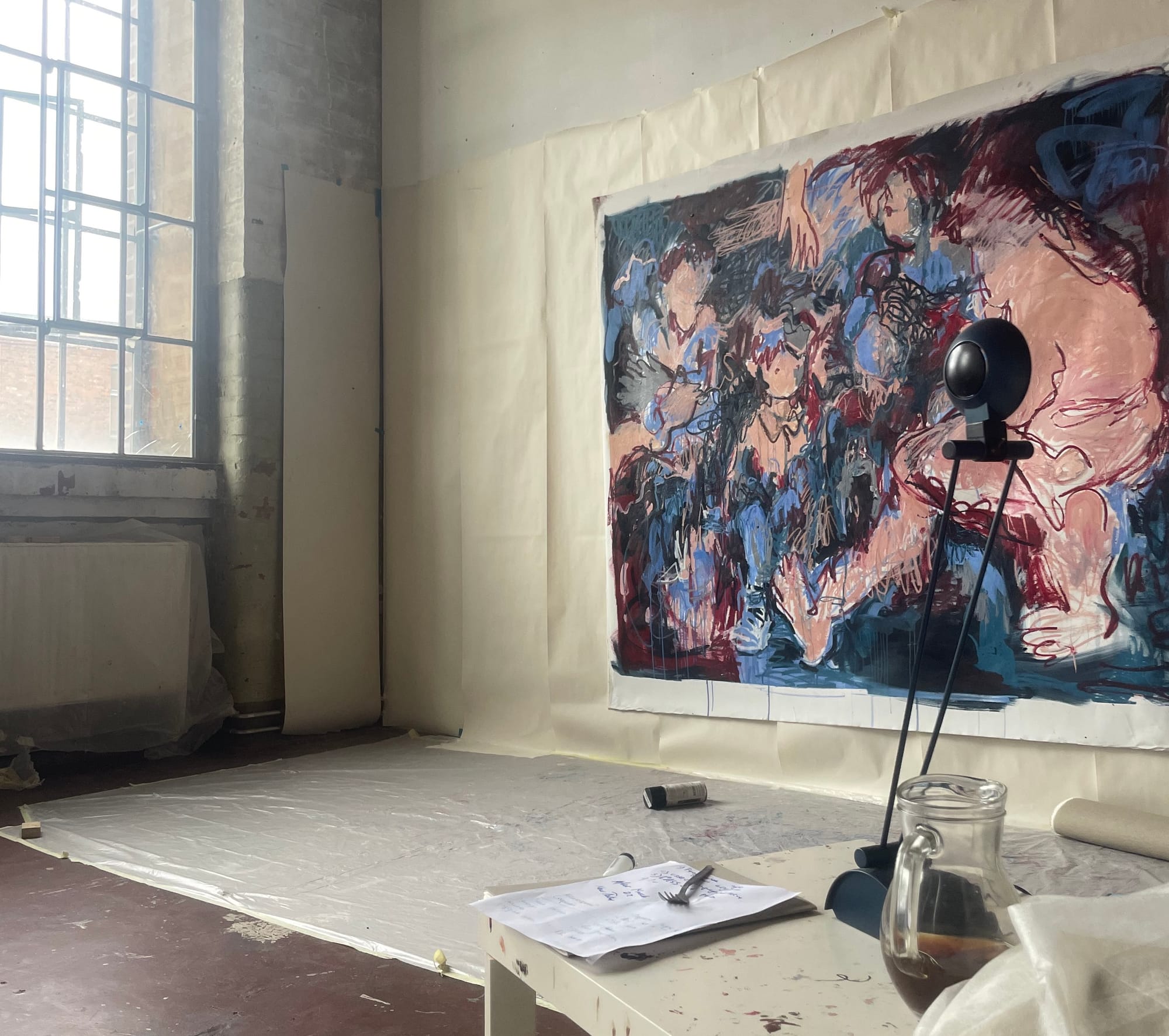
3 days agoPainting Has Entered Its Performance Era | Artnet News
Much of Instagram's video content is organized around transformation-the virtual magic of the before-and-after and clips that show cause and effect. A person makes pasta from scratch in 20 seconds via edits that compress time-intensive labor.
Arts
Arts
fromdesignboom | architecture & design magazine
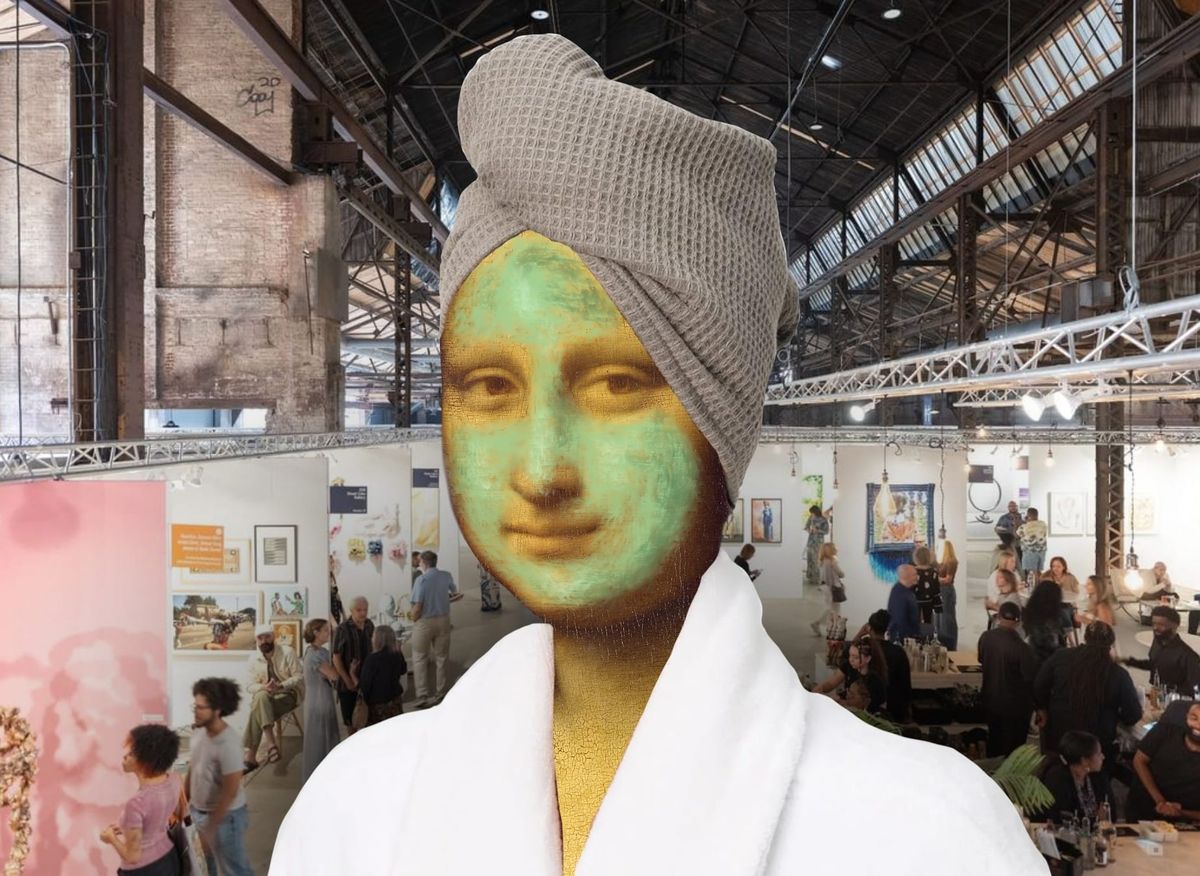
3 days agoactivated space: allan kaprow's happenings and their afterlife in immersive environments
Allan Kaprow's 'happening' redefines art as an event involving space, body, and instructions, emphasizing active participation over passive observation.

Miscellaneous
fromJuxtapoz
1 month agoJuxtapoz Magazine - No Longer, Not Yet-Paintings on Paper: Jonathan Wateridge @ GRIMM, Amsterdam
Jonathan Wateridge's paintings on paper capture erased moments and lost states from his larger canvas work, staging uncanny midcentury Los Angeles scenes with psychological tension and ambiguous narrative.
fromArtforum
2 months agoCommercial Break
AT FIRST GLANCE, the phrase "avant-garde advertising" might seem like a contradiction in terms: The avant-garde is assumed to be inherently anti-capitalist and the realm of advertising crassly commercial. But the involvement of avant-garde artists with advertising is in fact rich, complex, and long-standing, encompassing a full century of collaborations, critiques, and reworkings of all sorts. That entanglement-in all its diversity-is the topic
Film
fromwww.amny.com
2 months agoThe Modern Salon redefines art and brings quiet design authority to the Winter Show | amNewYork
In the midst of the fabulous The Winter Show last weekwhere connoisseurship, collecting, and cultivated taste converge under one vaulted roofthere was a moment of pause, exhale, and recalibration at the heart of the fair: the VIP Collectors Lounge. This year, not as sponsorship, but as philosophy made spatial. It was titled The Modern Salon. Conceived and designed by frenchCALIFORNIA, The Modern Salon rejected the trade-fair instinct toward visual noise and brand fragmentation.
Design
fromHyperallergic
1 month agoWhat Do We Really Think of the New New Museum?
The new New Museum is many things: contemporary, perhaps, but also a science, history, anthropology, and many other museums in one. It echoes the desire of its patron class to own the world and its affiliated courtier class to deliver it to them on a silver platter, or encased in perforated metal, in this case.
Arts
Arts
fromArtnet News
1 month agoBlink and You'll Miss It! 3 New York Shows With Painfully Short Runs | Artnet News
Gallery exhibition runs have lengthened from weeks to five or six weeks due to increased competition and high mounting costs, though a countermovement of brief, limited-time shows is emerging.
fromHyperallergic
1 month agoArt Problems: How Do I Get Gallery Representation?
Dealers like artists with established sales records because it lowers their already considerable financial exposure. Renting a gallery space in Tribeca costs anywhere between $8,000-30,000 a month on top of staff, marketing, and daily operations. With that kind of overhead, very few business owners can afford to take on the financial risk of untested artists.
Arts
fromHyperallergic
1 month agoEmbracing Friction in the Art World
On Franklin Street in Brooklyn's Greenpoint neighborhood, one non-commercial gallery fosters 'a small, stubbornly human space for friction.' Friction—the ubiquitous buzzword that captures the simultaneous delight and discomfort of doing things the slow way—is at the heart of artists Pap Souleye Fall and Char Jeré's current show at Subtitled NYC. It also reflects the overall spirit of this little exhibition space and of a burgeoning movement to reject our culture of optimization in favor of a bumpier, more intimate, less alienating experience.
Arts
Arts
fromJuxtapoz
1 month agoJuxtapoz Magazine - Rise above it: John Rivas @ Francois Ghebaly New York
Salvadoran-American artist John Rivas expands his mixed-media practice into hand-carved wooden sculpture, exploring cultural identity, family labor, and personal memory through material resourcefulness and collaborative processes.
Arts
fromThe Art Newspaper - International art news and events
1 month agoA new home for Asian contemporary art opens in landmarked building in Manhattan's Chinatown
Wang Contemporary opens at 58 Bowery as a global platform for Asian and Asian American creativity, inaugurating with MSCHF's paper plane installation during Lunar New Year.
fromHyperallergic
2 months agoA View From the Easel
I work outside, carving and shaping the stone. Outside my house, I have a table, an extension cord, and tools. It's very cold and I have to wear all my winter clothes. When it's too cold, I do the filing and finishing work inside after I shape it outside. I listen to all kinds of music. I listen to Eminem all the time; his albums are all my favorites. For drawings, I work at Kinngait Studios or at home on my kitchen table.
Arts
fromColossal
2 months agoDrawn to Synbols, Michael McGrath Conjures Uncanny Narratives
Disembodied heads, eyes, and hands meet spindly trees, dragonflies, and vibrant blossoms in the folk-art inspired works of Michael McGrath. Based in Rhinebeck, New York, McGrath melds a variety of media-most pieces contain a mixture of graphite, ink, and oil and acrylic paints-into dynamic compositions suffuse with mystery. Recurring symbols and objects lend themself to a distinctive visual language that captures both the wondrous and puzzling.
Arts
fromHyperallergic
2 months agoRequired Reading
Sprouting from the roof of the San Francisco Museum of Modern Art, artist Rose B. Simpson's newly installed bronze sculpture "Behold" has its gaze fixed on the cityscape before it. The Tewa of Khaʼpʼoe Ówîngeh artist, herself a mother, crafted a tender portrait of an interconnected parent and child that "asks us to be human with each other, to change our narrative through wonder, witness and a foundation in the soft warmth of our humanity," she said in a statement.
Arts
fromHyperallergic
2 months agoRequired Reading
Marah Al-Za'anin, an 18-year-old Palestinian artist, has transformed a tent in Gaza City's Al-Rimal neighborhood into a studio. Al-Za'anin can't have been more than 15 or 16 years old when the genocide began, but she continues to pursue her passion for art and uses her brother's phone as a light source while she paints and draws late into the night. (photo by Saeed Jaras/Middle East Images/AFP via Getty Images)
Arts
fromHyperallergic
2 months agoA View From the Easel
Mornings are best for concentrated work. In the winter, I turn on the heat at 8am and get started around 10am. Summer, I start around 9am. I have two areas in the studio for projects. The large, heavy wood sculptures are carved in the front section of the studio, closest to the roll-up wide door. Smaller sculptures are placed on a hydraulic workbench. Before I start, I focus, connect with the Source, and ask for guidance.
Arts
fromHyperallergic
2 months agoThe Sticky Politics of Wall Texts
In 2024, I made a vow to never base my art criticism on wall labels. My decision came after reading reactions to that year's Whitney Biennial. "If every label in 'Even Better Than the Real Thing,' the 81st installment of the Whitney Biennial, were peeled off the walls and tossed into the Hudson, what would happen?" asked Jackson Arn in the New Yorker. (He went on to suggest that the overall show would have been much better.)
Arts
Arts
fromHi-Fructose Magazine - The New Contemporary Art Magazine
2 months agoPainting From The Inside Out With Christian Van Minnen - Hi-Fructose Magazine
Paintings juxtapose bruised, tumorous flesh with forbidden fruits and gummy forms to create disorienting, alluring yet repulsive surrealist imagery.
[ Load more ]