#art-fairs
#art-fairs
[ follow ]
#contemporary-art #art-market #frieze-new-york #contemporary-african-art #latin-american-art #art-basel



fromThe Art Newspaper - International art news and events
6 days agoUntitled Art will launch four new prizes at Houston fair's second edition
Untitled Art Houston, which launched last year, will expand the range of prizes available for exhibitors and their artists at the fair's second edition in October. With the existing prizes from its debut edition, the monetary value of the prizes combined at this year's edition could be as high as $113,200. The fair, which will return to George R. Brown Convention Center in downtown Houston from 2 to 4 October, has announced new prizes with a range of local sponsors.
Austin
#art-market



Arts
fromThe Art Newspaper - International art news and events
5 months agoComment | After a market shake up-in 2025, it's time to create a right-sized art trade
The global art market is undergoing right-sizing after speculative overexpansion; a smaller, more resilient, and better-equipped industry may replace the pre-2023 growth model.
Arts
fromARTnews.com
6 months agoAre There Enough Collectors for All the Art Fairs? Chanel Opens China's First Public Contemporary Art Library, US-Style Cultural Giving on the Rise in the UK: Morning Links for November 25, 2025
Rapid expansion of international art fairs risks oversaturating demand while galleries, the fairs' primary clients, face tight margins and rising staging costs.

#contemporary-african-art
fromThe Art Newspaper - International art news and events
6 months agoArts
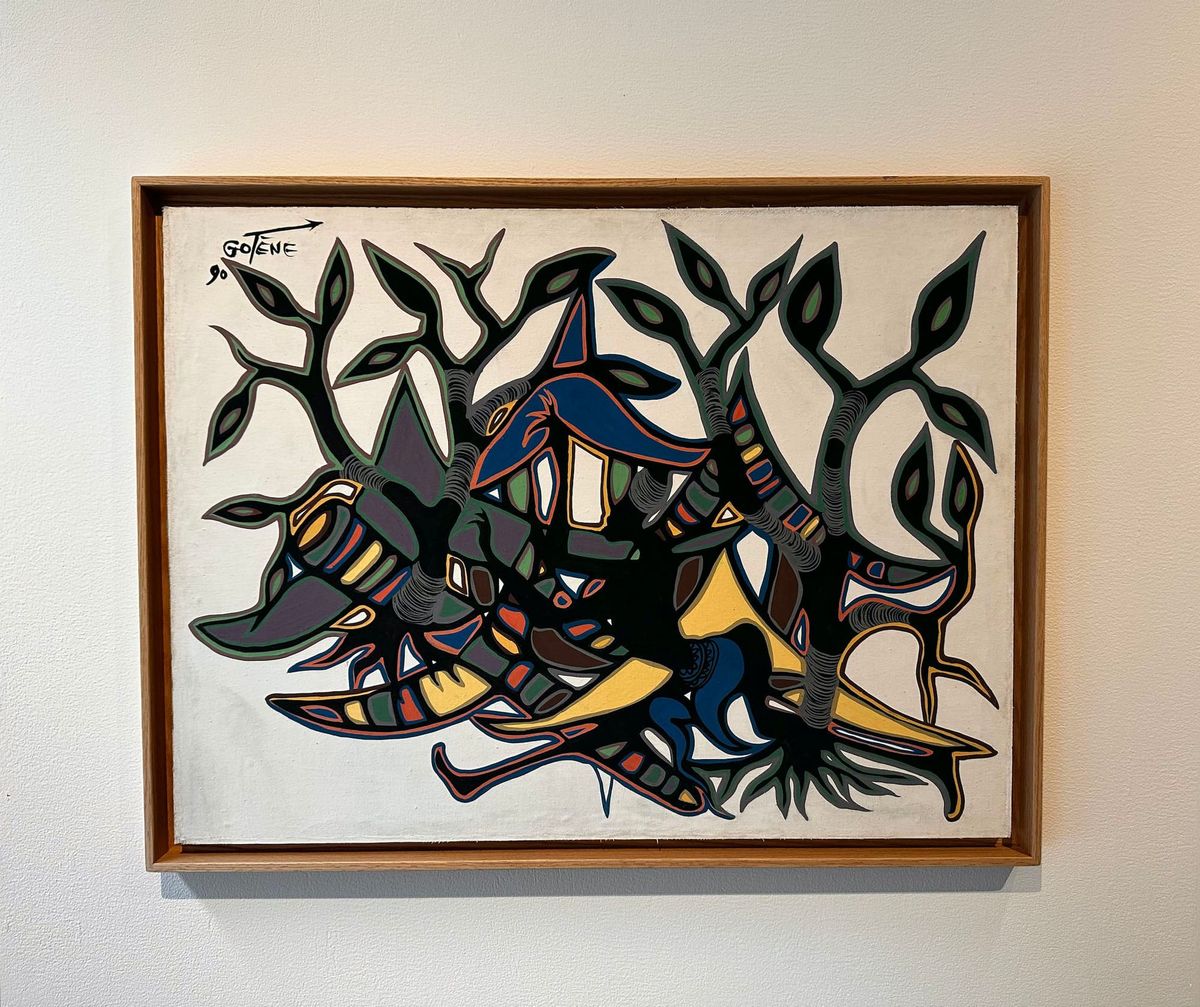
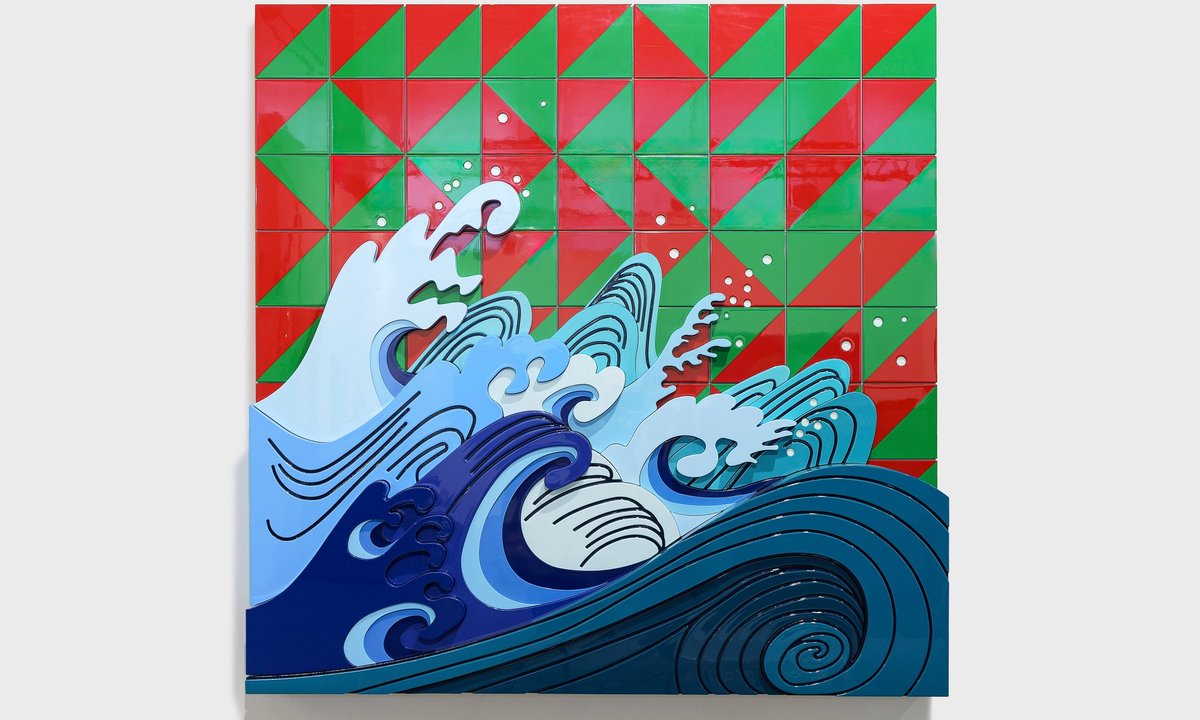
Lagos art fair defies macroeconomic headwinds to reach double figures
Art X Lagos demonstrates Lagos’s resilience and cultural growth, fostering West African contemporary art, collectors, and an expanding regional art ecosystem over ten years.

fromHyperallergic
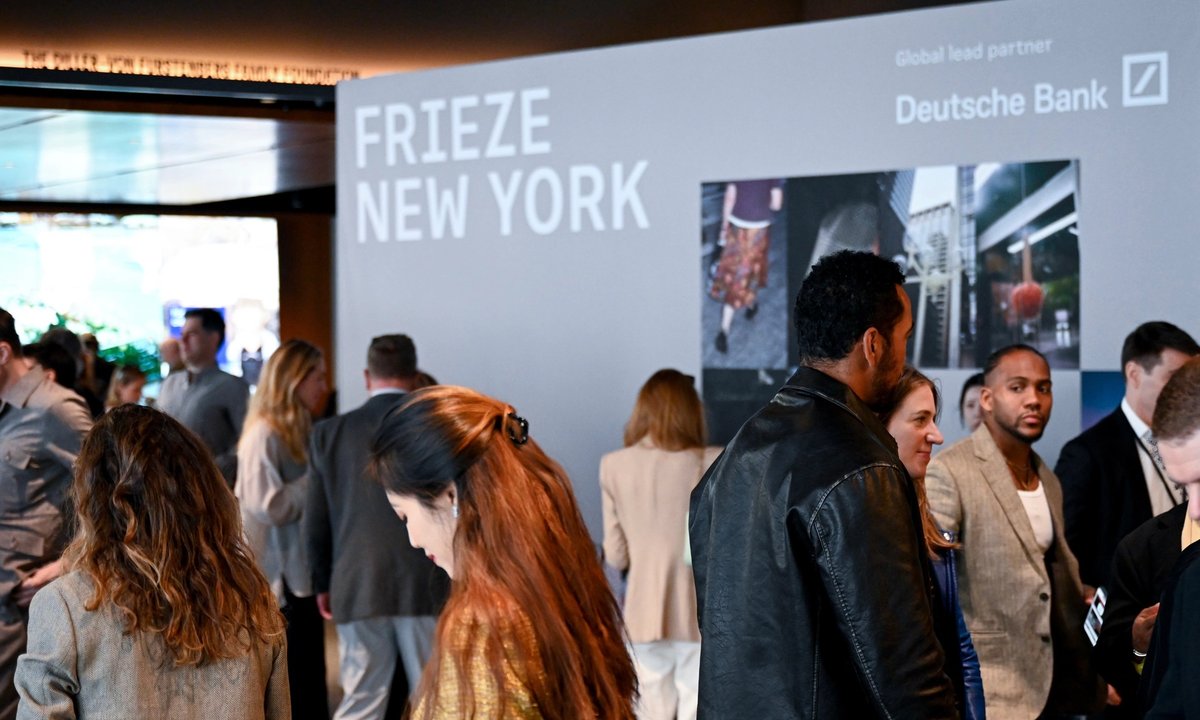
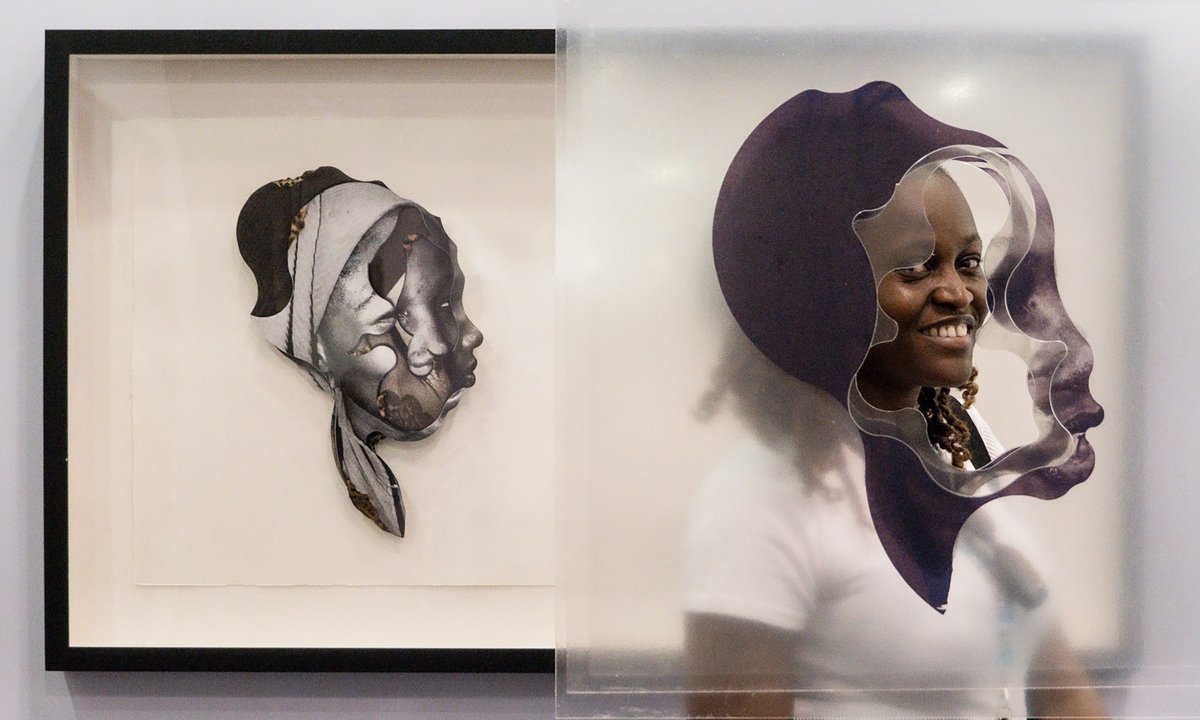
2 weeks agoFrieze New York Is an Assembly-Line Salad
“I am looking for something very specific,” Zayan, the founder of the Invisible Dog Art Center in Brooklyn, told me. I had spotted him standing near a large abstract painting saying something about lettuce to a booth attendant. Zayan was searching for food. Art and food, to be precise - works that examine their relationship, shared humanity, social tensions - as he curates the second edition of the NAFAS Festival in Tokyo this September. In Arabic, nafas means breath or a sustaining force, and captures the nurturing energy that goes into cooking.
Arts

fromThe Art Newspaper - International art news and events
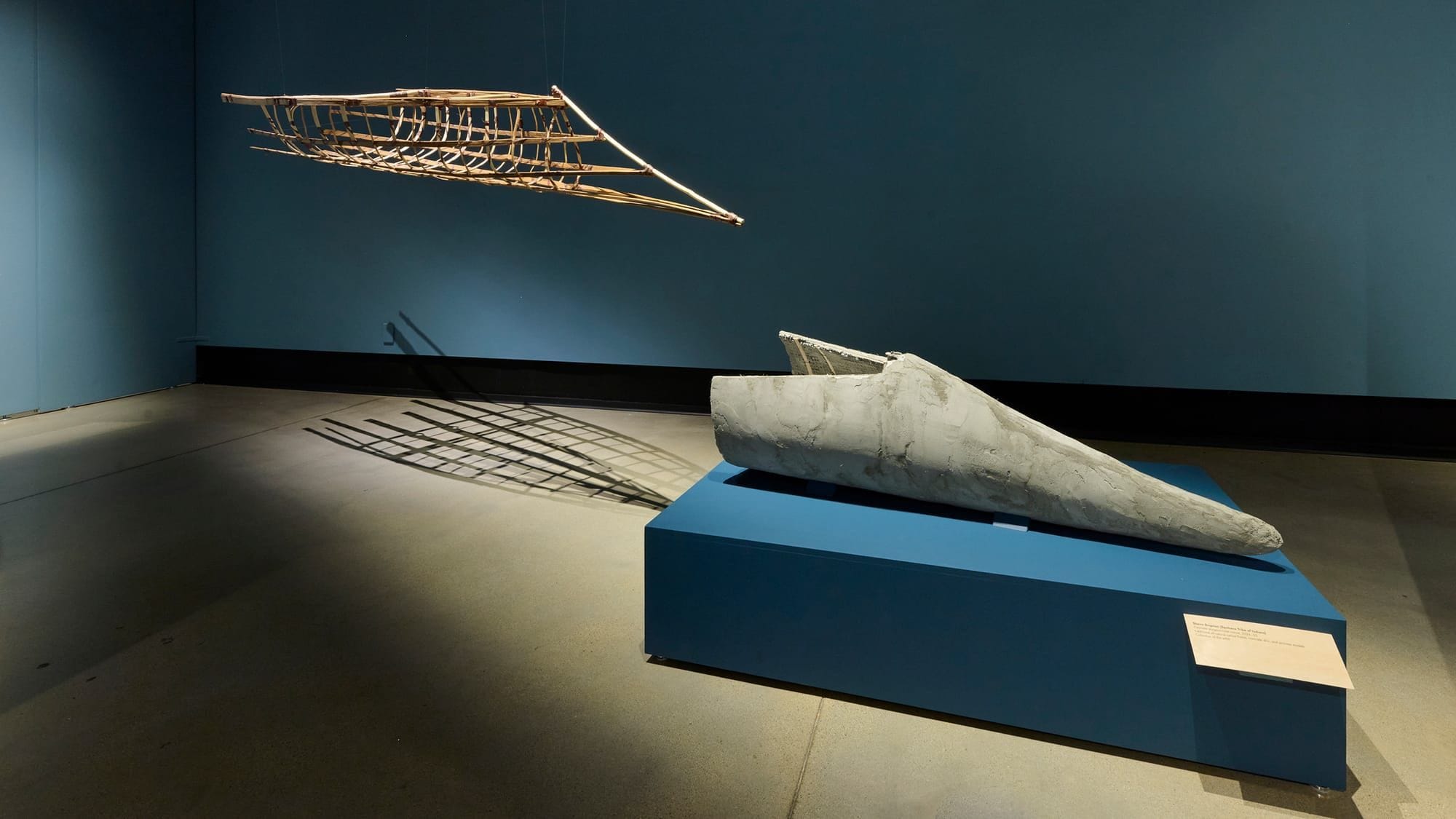
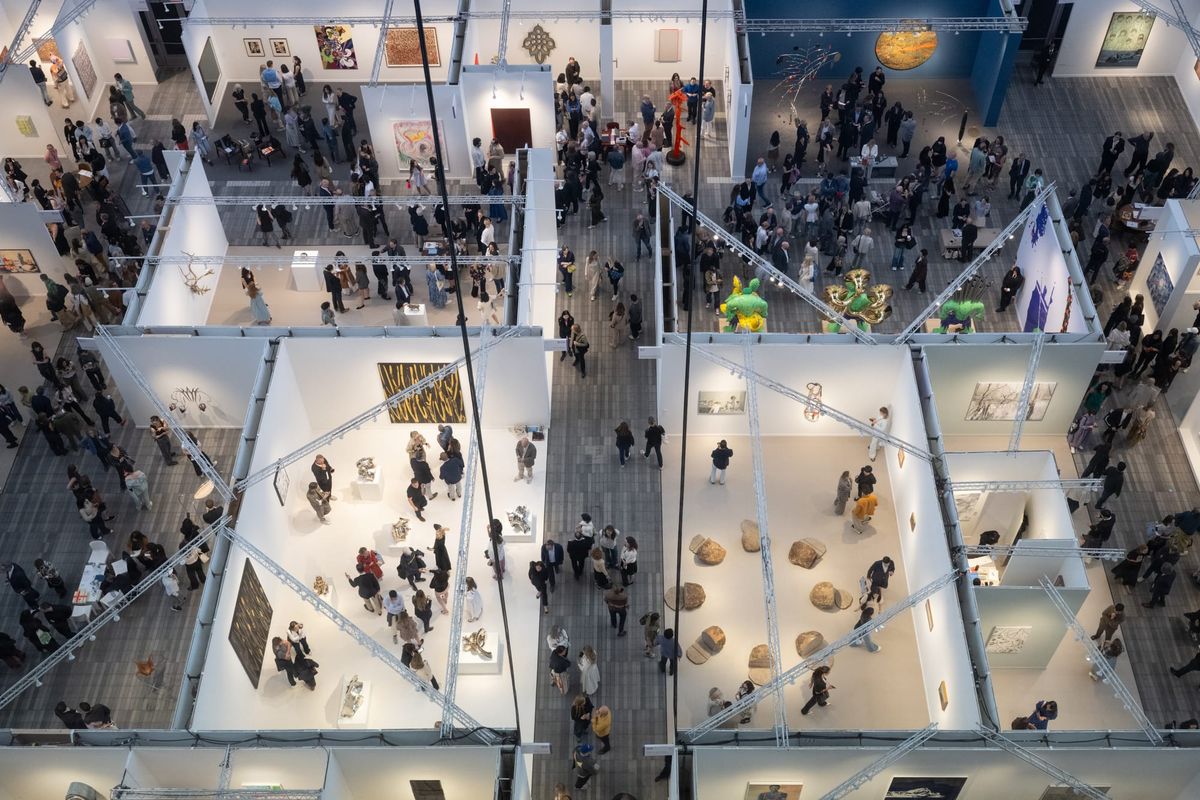
2 weeks agoTen years on, Tefaf New York still stands out from the crowd
Tefaf New York, which returns to the Park Avenue Armory from 15 to 19 May. Bringing together 88 exhibitors from 14 countries, this latest edition of the fair promises more of the brand's distinctively broad scope, this time spanning Greco-Roman antiquities, jewellery, 20th-century design and contemporary art.
Arts

#art-basel

Arts
fromThe Art Newspaper - International art news and events
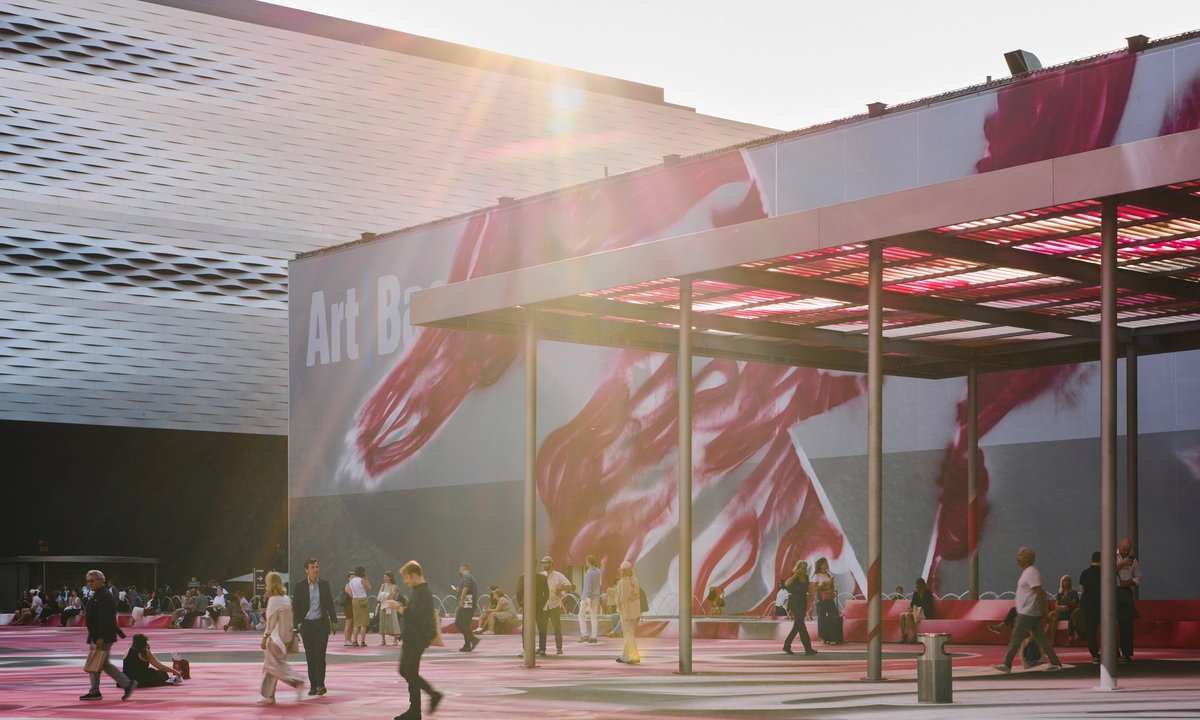
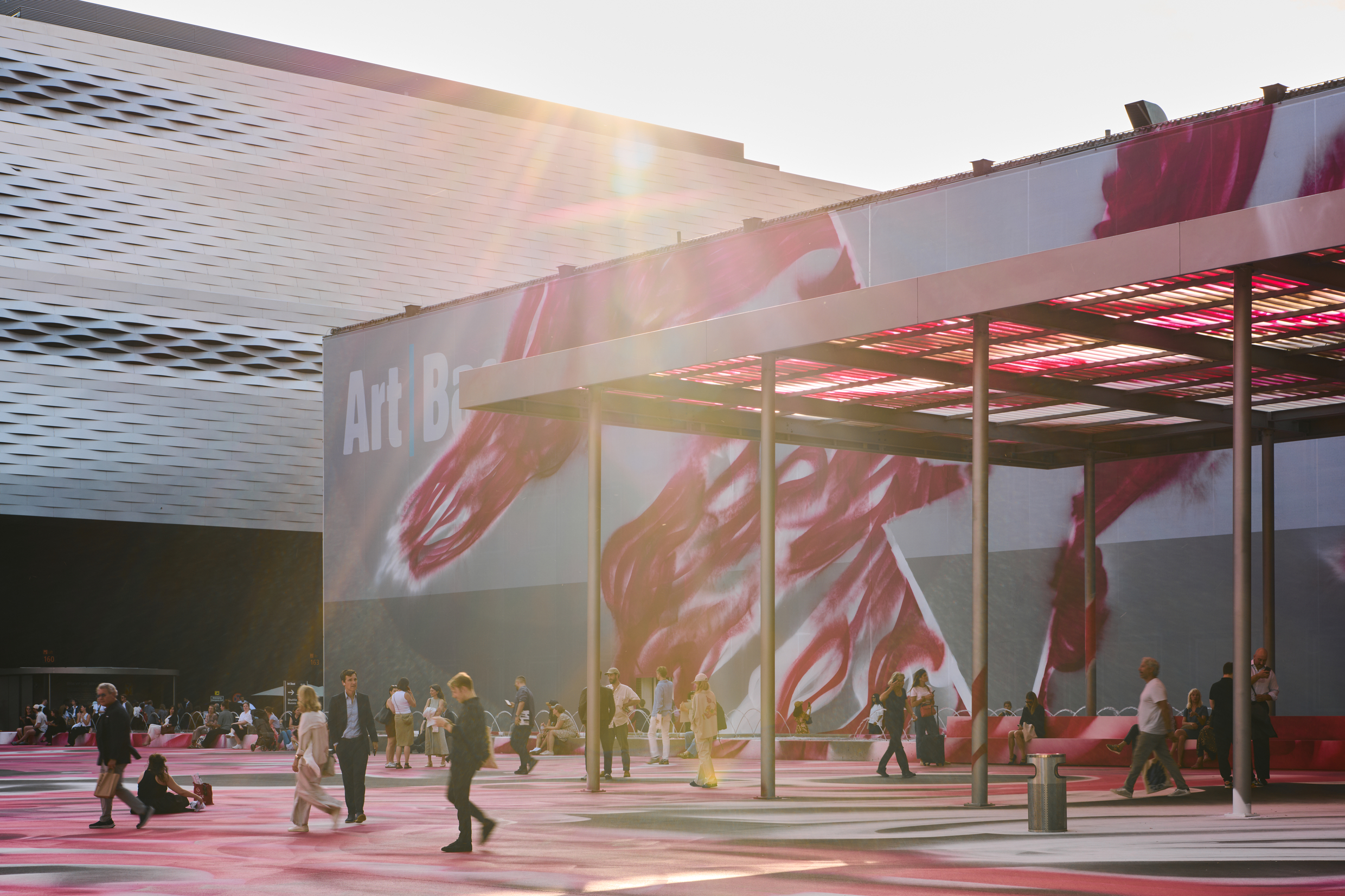
1 month agoArt Basel's solution to PDF pre-sales? Ask galleries to reserve works until opening day
Art Basel introduces Basel Exclusive to enhance live experiences by withholding marquee works from previews, emphasizing the value of in-person attendance.




fromThe Art Newspaper - International art news and events
2 months agoNew Hong Kong fairs offer fresh opportunities for a changing market
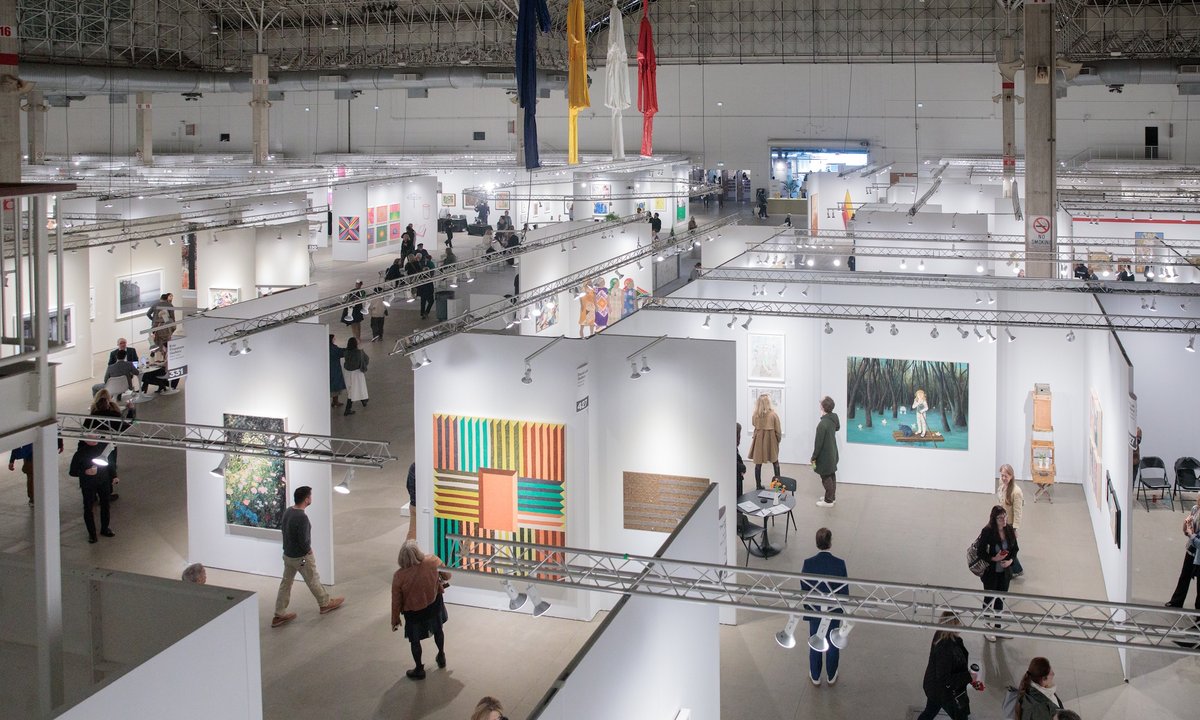
ArtHouse features the works of 50 artists across ten locations in Tai Hang, a quiet neighbourhood of century-old residential buildings. His inspiration was of Venice, where cultural venues are often scattered across the ancient Italian city.
Arts
Arts
fromThe Art Newspaper - International art news and events
2 months agoThe rise of the destination art fair, from Aspen to Mallorca
Art dealers are shifting toward smaller, intimate fairs in desirable destinations over traditional flagship events, driven by luxury travel growth and desire for experiential engagement.
fromArtnet News
2 months agoRothko to Lead $130 Million Mnuchin Trove at Sotheby's-and More Art Industry News | Artnet News
Major works from media mogul S.I. Newhouse's estate are poised to smash records at Christie's in May. The tranche of 35 to 40 works includes paintings by Jackson Pollock, Pablo Picasso, and Jasper Johns, as well as a Constantin Brancusi sculpture, and is valued it at a whopping $450 million.
Arts
fromArtnet News
2 months agoMarket Momentum in L.A. | Artnet News
Some dealers at Frieze Los Angeles said they sold more in L.A. than they did at Art Basel Miami Beach in December, suggesting that market confidence has continued to strengthen since the end of the last year. The city's art week also saw a record number of satellite events as the appetite for alternative fair models continues to grow.
Arts
Arts
fromArtnet News
2 months agoJapan's Art Market Registers Modest Growth: Report. Plus, a Rundown of the Latest in Asia's Art World | Artnet News
Japan's art market grew two percent to $692 million in 2024 despite global contraction, with dealers dominating sales and most transactions under $10,000.
Arts
fromArtnet News
3 months agoMajor Contemporary Art Center Planned in Manila-and a Rundown of the Latest in Asia's Art World | Artnet News
Major Asian art fairs broaden regional visibility, showcase MENASA artists, and generate modest sales while building important institutional and dealer relationships.


Arts
fromThe Art Newspaper - International art news and events
3 months agoMexico City's Zona Maco fair finds a 'balance between continuity and renewal'
Zona Maco anchors Mexico City Art Week 2026, showcasing over 220 galleries and introducing 40+ new exhibitors from Latin America, North America, Europe and Asia.
fromArtnet News
3 months agoTo Understand the Gulf's Growing Art Market, Leave Old Assumptions Behind | Artnet News
The Gulf has become an art market hot spot, but insiders say the biggest challenge facing its newest arrivals isn't how to tap the region's wealth, it's how to unlearn assumptions that they may bring with them, particularly concerning the area's money, power, and cultural depth. With Art Basel Qatar debuting next week, the region is no longer a peripheral scene but a new axis of influence for the trade.
Arts
Arts
fromThe Art Newspaper - International art news and events
4 months agoMaster Drawings New York marks 20th anniversary as both fair and market expand
Master Drawings New York reaches its 20th edition, reflecting a growing market and mainstream collector appreciation for drawings and works on paper.


fromHyperallergic
4 months agoHere's Why the LA Art Show Is Worth Your While
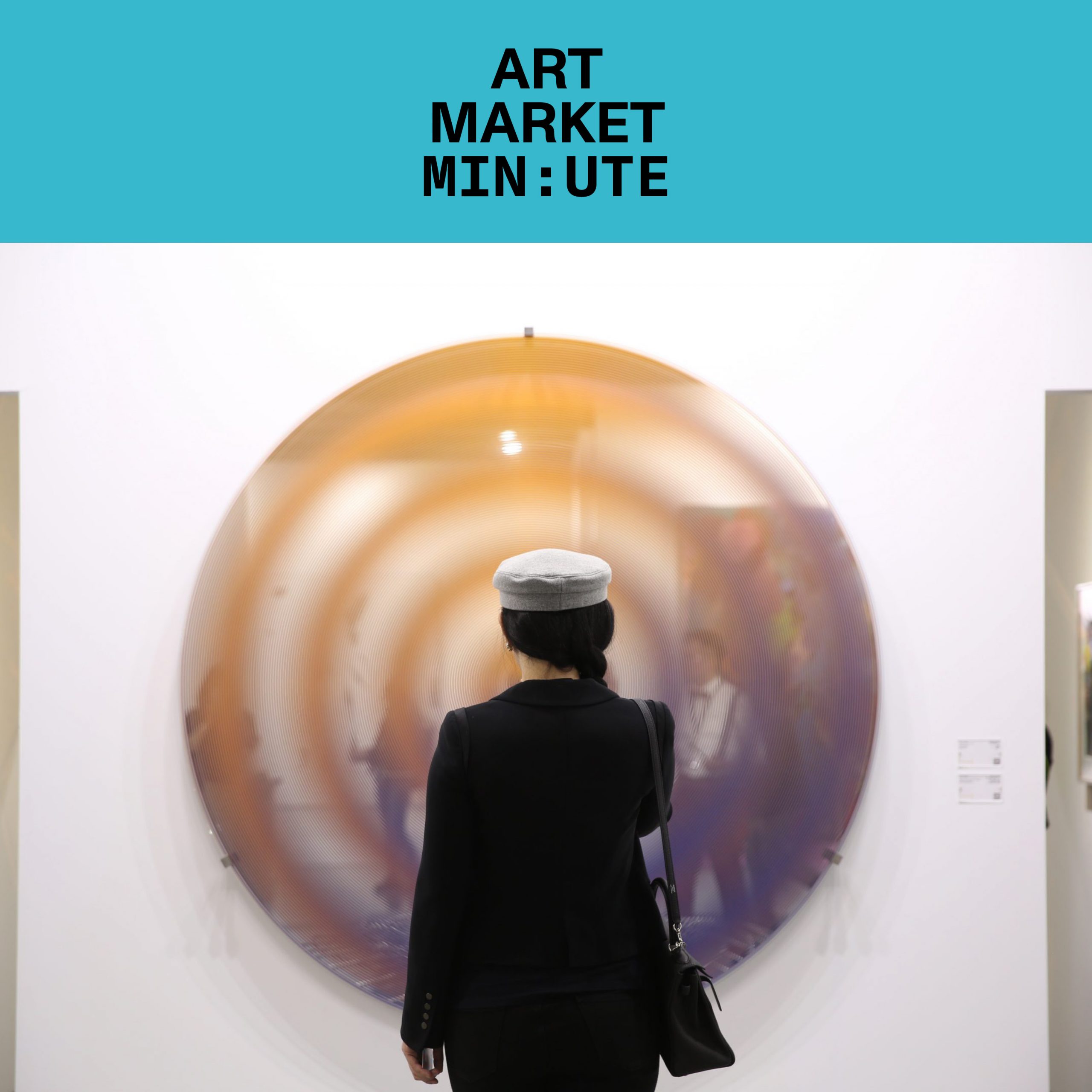
The 31st edition of the LA Art Show is back this week at the downtown Convention Center, more than a month before Frieze, Felix, and Post-Fair roll into town. Although it is LA's longest-running art fair, the show is somewhat of an outcast, snubbed as pedestrian, too commercial, and out of touch with the cutting edge of the global art world. But at the rear of the cavernous exhibition hall, a pair of projects organized by curator Marisa Caichiolo gives visitors a sense of the fair's cultural and political relevance.
Arts
Arts
fromThe Art Newspaper - International art news and events
4 months agoThe Year Ahead 2026: the big exhibitions and the key museum openings-podcast
Major global art events in 2026 include new museum openings, top biennials, and headline exhibitions across Venice, London, New York, Los Angeles, and Doha.
fromArtforum
4 months agoAbout Place
"MIAMI'S A SUNNY PLACE for shady people!" observed Iggy Pop in a 2008 interview with CNN, just a few years after Art Basel landed on the sandbar that is South Beach and forever altered the landscape of both Miami and contemporary art. "I'm practical, where this place is moody [. . .] and I'm materialistic in a sense that this place is fundamentally spiritual-there's a quicksilver quality about this place."
Arts
Arts
fromThe Art Newspaper - International art news and events
5 months agoTefaf director Dominique Savelkoul has left her post over 'differing views' with the organisation
Tefaf managing director Dominique Savelkoul left over strategic differences, becoming the fifth managing director to depart in four years.
Arts
fromThe Art Newspaper - International art news and events
5 months agoIn 2025, new 'independent and nimble' art fairs began redrawing the market map
Art fairs in 2025 shifted toward smaller, coalition-driven, affordable formats emphasizing intimacy, varied geography, and alternative venues over large-scale transactional events.

Arts
fromThe Art Newspaper - International art news and events
5 months agoIn pictures: a sculptural celebration at Art Basel Miami Beach
Nora Lawrence highlights outdoor sculptures emphasizing materiality, surface texture, craftsmanship, plant interaction, and ongoing conservation needs for successful open-air display.
fromARTnews.com
5 months agoFrom ABMB to TEFAF and Beyond, Know Your Art World Acronyms
Let's face it: we're all pressed for time. One way we economize on our use of that precious resource is acronyms, those handy abbreviations that use the first letters of a multi-word name or phrase. In everyday conversation, for example, when your car breaks down and you need a tow, you call AAA (pronounced triple A), not the American Automobile Association, and it's NASA, not the National Aeronautics and Space Administration, that sends astronauts into space.
Arts
Arts
fromARTnews.com
6 months agoMomentum Builds at Abu Dhabi Art Ahead of the Frieze Takeover, but Sales Still Lag Behind the Buzz
Abu Dhabi's art scene is shifting from government-led museum projects to active market engagement through fairs, new collectors, and initiatives supporting emerging galleries.
fromARTnews.com
6 months agoStephen Friedman's Exit From Tribeca Appears to Be Another Case of 'Art Market Dysphoria'
There were rumors of Friedman's decision to leave New York floating around for weeks, but it wasn't certain until New York critic Jerry Saltz broke the news on Instagram. Not long after, the gallery emailed ARTnews an advance press release, framing the move a "strategic evolution" that allows it to "focus [its] resources" on international activity from a "strong London base." Friedman cast the retrenchment in almost pastoral terms: a return to home soil, an opportunity to tend to the roots.
Arts
fromThe Art Newspaper - International art news and events
6 months agoArt Collaboration Kyoto holds its most global edition yet
Art Collaboration Kyoto (ACK), the fair launched in 2021 to build ties between Japanese and international galleries, opened its fifth edition this week (until 16 November) at the Kyoto International Conference Center (ICC Kyoto). The fair has grown steadily despite economic headwinds and an increasingly crowded Asian fair calendar, welcoming a record 72 galleries, 36 of which are from overseas. Beyond the main venue, ACK continues to distinguish itself through its integration with Kyoto's cultural and architectural landscape.
Arts
Miscellaneous
fromThe Art Newspaper - International art news and events
6 months ago'The government understands what is at stake'-Italian art world weighs in on tax cut at Artissima
Italy reduced VAT on art sales from 22% to 5%, boosting art-market competitiveness and stimulating sales and collector interest at Artissima.
[ Load more ]