Parenting
fromThe Atlantic
1 week agoThe Thrill of Childhood Rituals
Children create their own folklore through games and traditions, which are shared across time and space.
In 1959, the woman who brought me into this world bundled me in a basket and placed me in a Hong Kong stairwell near Sai Yeung Choi Street, a bustling region of the British colony. I was 4 days old. A passerby called the police, who transported me to St. Christopher's Home, the largest non-government-run orphanage on the island.
It wasn't until Whitmarsh had been herded into the main hall that he grasped what he'd signed up for: 'a geopolitical event, not an intellectual one,' as he put it, with hosts including Greece and China's ministries of culture.
I was thirty-eight years old the first time I stopped performing at Chinese New Year dinner. Not dramatically-I didn't stand up and deliver a monologue about authenticity or announce that I was done pretending. I just stopped smiling when I wasn't amused. I stopped nodding when I disagreed. I stopped telling my aunt that her unsolicited career advice was helpful when it wasn't. I stopped pretending that the version of me sitting at that table was the real one.
The pace is fast, the rules are complicated, and the players are often competitive, but it's more accessible than ever to try your hand. People around the Bay Area are gravitating toward mahjong at brewpubs, bookstores and other public spaces to learn this age-old pastime, which developed in China in the 19th century and spread around the globe in the 20th.
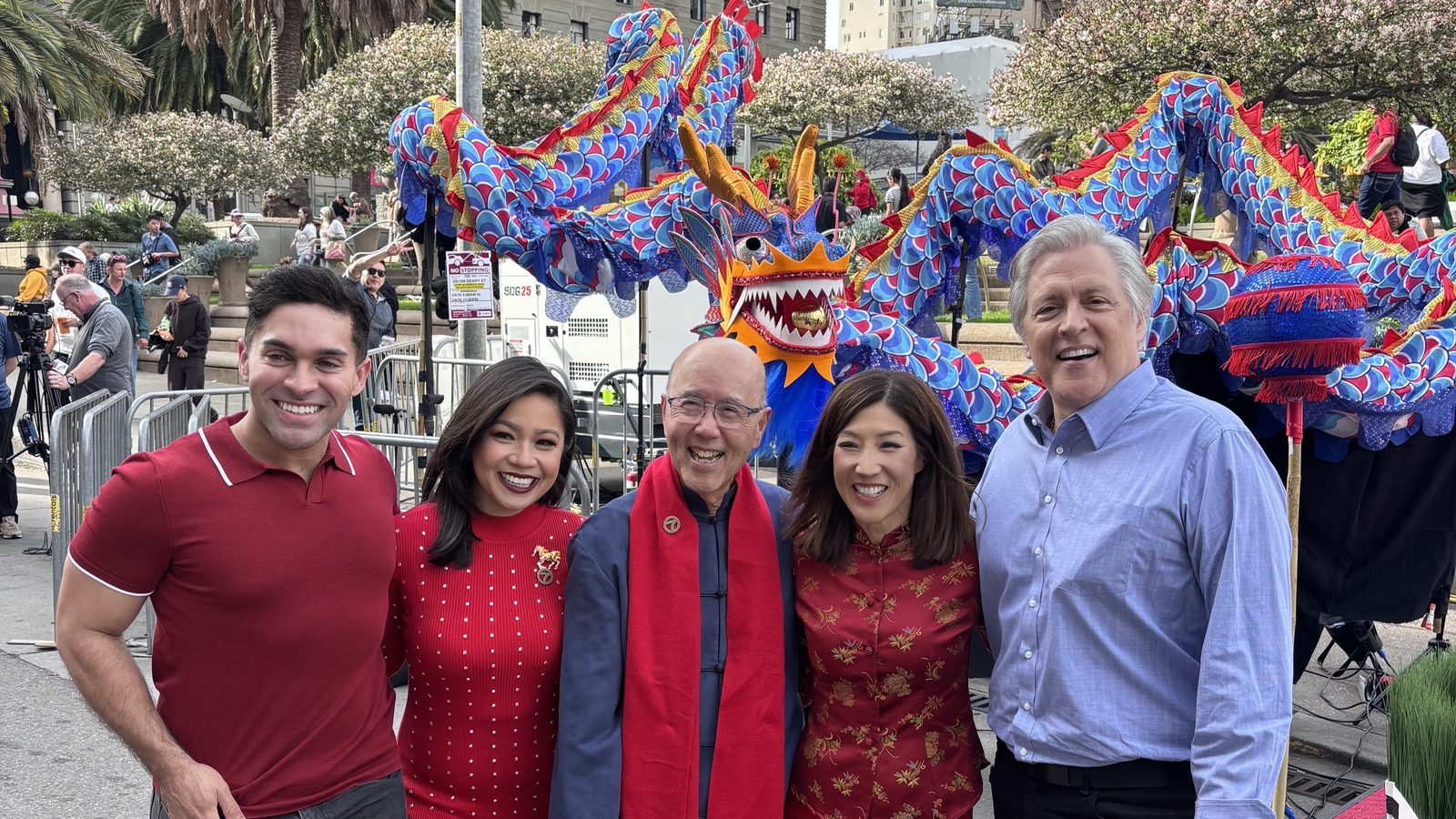
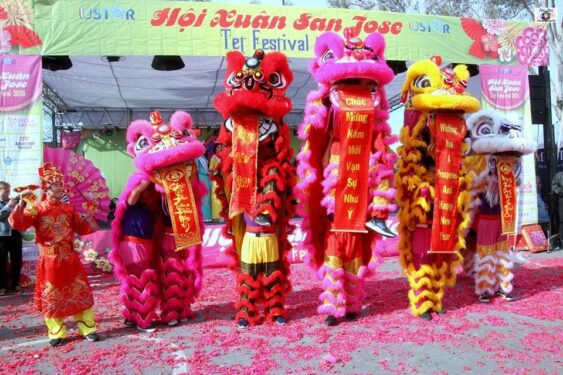
Performers, vendors, and politicians of every stripe participated in the celebration. While artists painted kids' faces and children fished for prizes, District 11 congressional candidates Connie Chan and Scott Weiner stumped in Cantonese to win over votes.
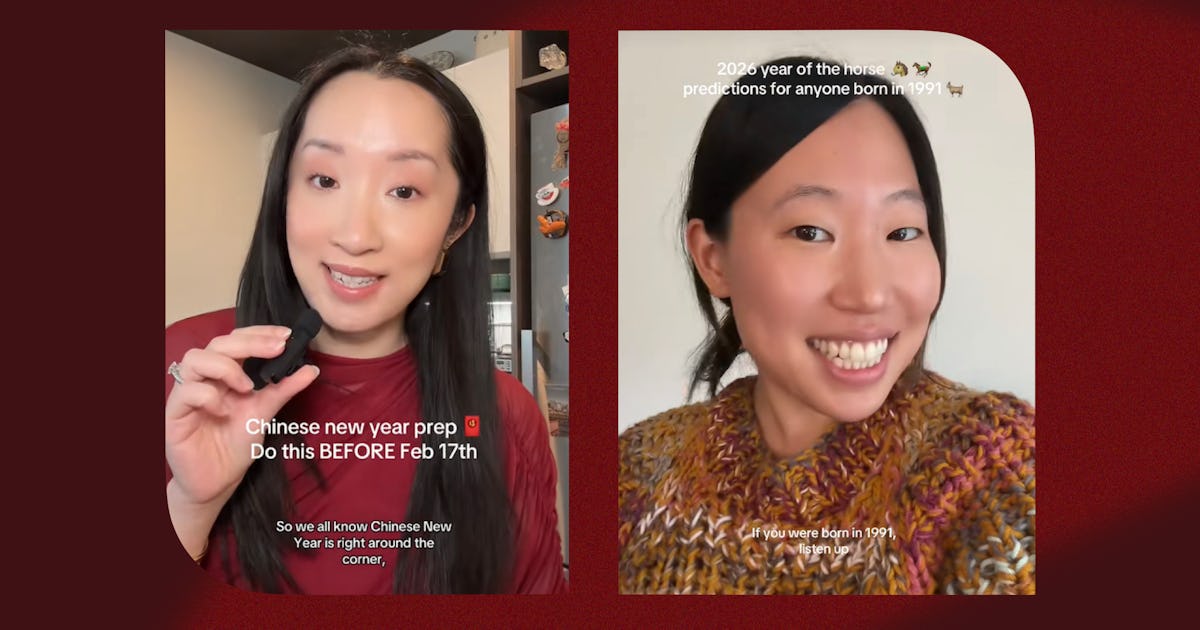
In case you didn't get the memo, everyone is feeling very Chinese these days. Across social media, people are proclaiming that "You met me at a very Chinese time of my life," while performing stereotypically Chinese-coded activities like eating dim sum or wearing the viral Adidas Chinese jacket. The trend blew up so much in recent weeks that celebrities like comedian Jimmy O Yang and influencer Hasan Piker even got in on it. It has now evolved into variations like " Chinamaxxing" (acting increasingly more Chinese) and " u will turn Chinese tomorrow " (a kind of affirmation or blessing).
In the 1960s and 70s, Ruby Lee's parents ran the Pagoda Cafe in Burleigh Heads, a surf town in Queensland. They worked 14-hour days and opened the restaurant year-round, even Christmas. When they did eventually close for one day a year, it was for lunar new year. It was the only day that I can recall ever eating out with the family while growing up, says Lee.
Caltrans announced it's shortening its carpool hours along Highway 101 in Marin and Sonoma counties after months of complaints from frustrated commuters. The hours will now be from 6 to 9 am and 3 to 6:30 pm Monday through Friday, but commuters don't think the change is significant enough to reduce traffic congestion. [Press Democrat] A fight broke out after a basketball game between Piedmont and San Leandro high schools Friday night after two students bumped into each other.
This is the time of year when my kitchen starts to tell the truth about who I am. Scottish crab, fresh from Tarbert, is lowered gently into a bubbling chilli bath of sambal and egg to become chilli crab, scooped up with steamed mantou buns and eaten messily with friends and family. Oysters from Lindisfarne are deep-fried in a light cloak of rice and corn flour, fished out of the wok with long chopsticks and dipped into sweet chilli sauce.