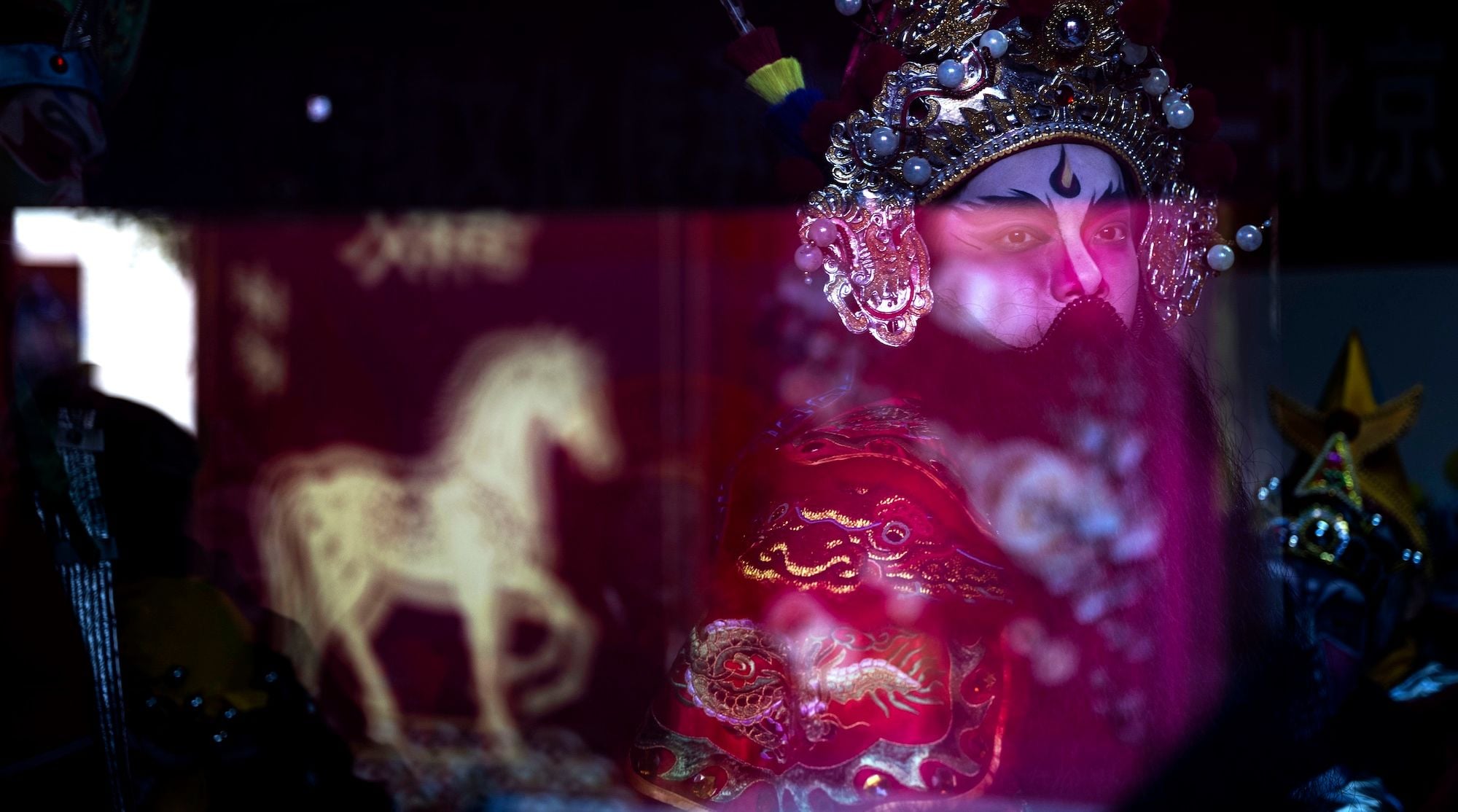
The Chinese zodiac, originating over 3,500 years ago during the Xia dynasty, combines a 60-year sexagenary cycle pairing 12 Earthly Branches with 10 Heavenly Stems. The Branches track time and natural rhythms, while the Stems represent yin and yang forms of five elements—wood, fire, earth, metal, and water—expressing cosmic energy shifts. The 12 animals were added during the Han dynasty to simplify the system for public use. Each year combines an animal with an element in yin or yang form. The Fire Horse, a particularly significant combination, appears every 60 years and correlates with historical upheaval. Years preceding Fire Horse years typically accumulate social tension, the Fire Horse year itself brings upheaval to the surface, and subsequent years facilitate reconstruction and institutional reform.
"Based on the lunar calendar and dating back more than 3,500 years to the Xia dynasty (circa 2070–1600 BC), the Chinese zodiac was used by rulers to track time and plan significant events, according to expert Vicki Iskandar, who spoke to the History Channel. While most people know the zodiac's 12 animals, the underlying system is older and more complex."
"It operates on a 60-year sexagenary cycle that pairs the 12 Earthly Branches with the 10 Heavenly Stems. The Branches mark the hours, months, years, seasons, and natural rhythms, while the Stems reflect the yin and yang forms of the five elements—wood, fire, earth, metal, and water, forces seen as expressions of shifting cosmic energy."
"The 60-year cycle shows how history ebbs and flows, with familiar tensions resurfacing during each generation. The years preceding a Fire Horse (Water and Wood years) typically see a buildup of social tension and unrest. The Fire Horse year brings upheaval to the surface, while the following years (Earth and Metal) often usher in reconstruction and institutional reform."
Read at sfist.com
Unable to calculate read time
Collection
[
|
...
]