Marketing
fromMarTech
1 day agoWhy performance marketing stops working | MarTech
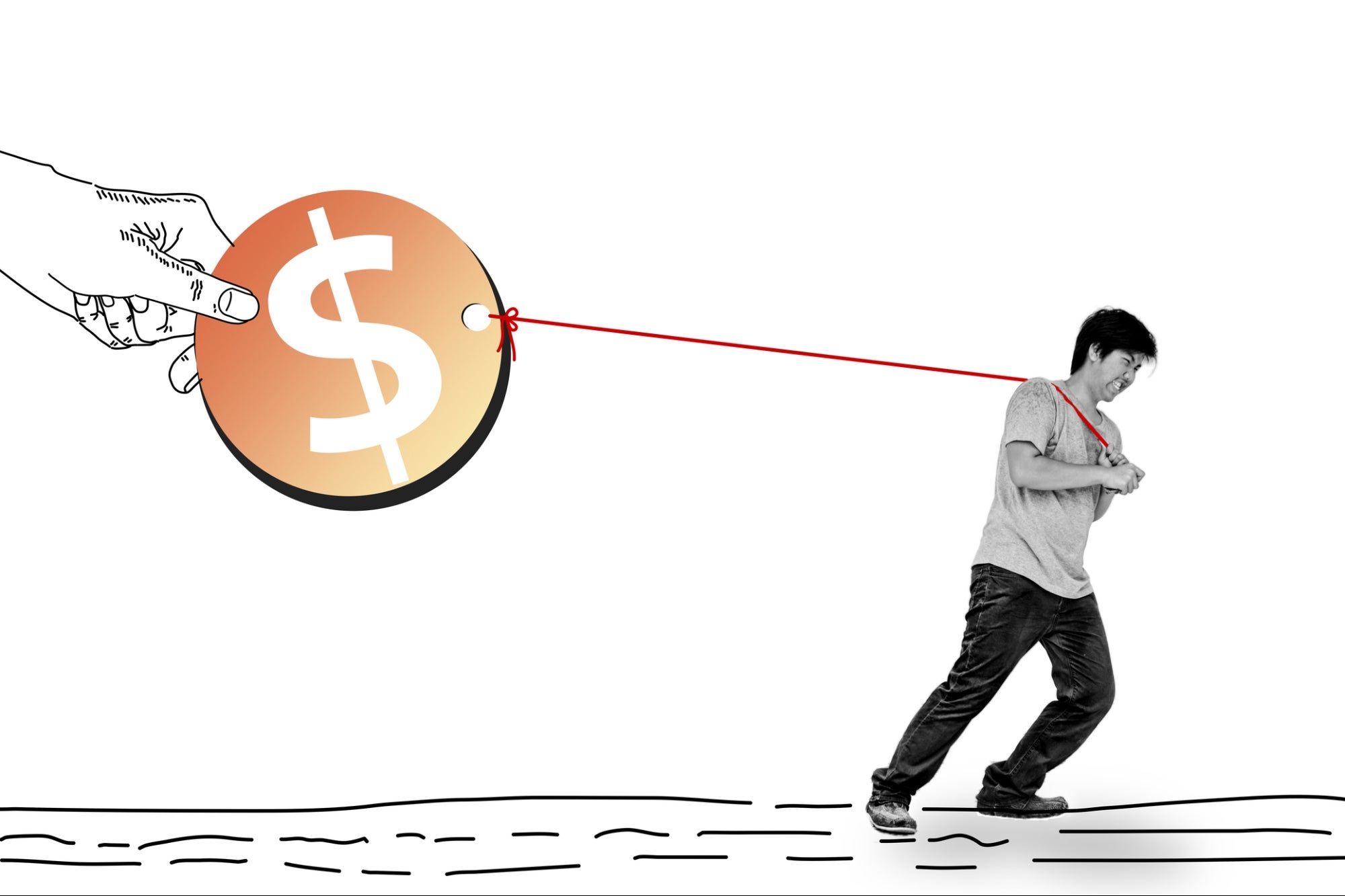
Performance marketing captures demand but does not create it; brands must focus on building meaning to avoid stagnation.
He goes, go get the umbrellas. Andrés stayed at the pan, cooking through the downpour while the crowd slowly circled back. Champagne came out, people laughed in the rain and a messy situation turned into a shared memory. That scene showed the group what the company does best.
Gone are the days when marketers can think in five- or 10-year plans. These days, it's about tomorrow, not the next 16 months, because culture and what captures consumers' attention is changing faster than ever.
We didn't just want to sell beds. We wanted to create a brand that families genuinely trust, somewhere parents feel confident buying from. That philosophy has been central to the company's rapid growth.
Mastering digital marketing and social media is essential for business growth in today's media landscape. Building a brand in the current attention economy requires understanding what it means to be authentic and how to nurture a loyal following through genuine connection and strategic engagement.
While placements in off-premise chains such as Walmart, Kroger, HEB, 7-Eleven and others are analogous to home runs, getting a tap handle is a solid base hit on the way to scoring, and brewers shouldn't lose sight of those singles. Jones also discusses why he believes craft beer's funk is potentially ending, why the ethanol pie was cut too many ways, how beer is competing for dayparts and why beer needs to bring fun and socializing back.
At this morning's IPA Effectiveness Conference, WPP's Jane Christian dropped the most important digital marketing finding in the past decade: creators are digital's first true brand-building channel. Not via the usual they're authentic guff we've been fed for years. But in hard econometric terms that should make any CFO weak at the knees. We finally know how to use creators Analysis led by the IPA has combined 220 econometric studies across 133m of creator spend, covering 28 markets, 36 categories, and 144 brands.
Now that sketch did have a glaring omission: audio. Time to take another look and add audio into the mix. Audio is one of the most overlooked channels in data-driven marketing. Sure, it has measurement issues and can't compete with the last-click attribution "goalhangers", taking all the glory and reward for handy conversion tap-in (Google, Meta, Amazon et al). But that will be fixed, as we build AI powered attribution.
To stand out as an online fitness influencer, creating a standalone website is crucial. This site should clearly present your area of expertise, educational qualifications, and include features like paid subscriptions and a portfolio of your work. Incorporating feedback from followers can also positively influence your brand's reputation.
Engaging in authentic thought leadership without promoting one's services or products gives B2B leaders the perfect opportunity to prove they're not just participants in the industry—they're shaping it.