Renovation
fromArchDaily
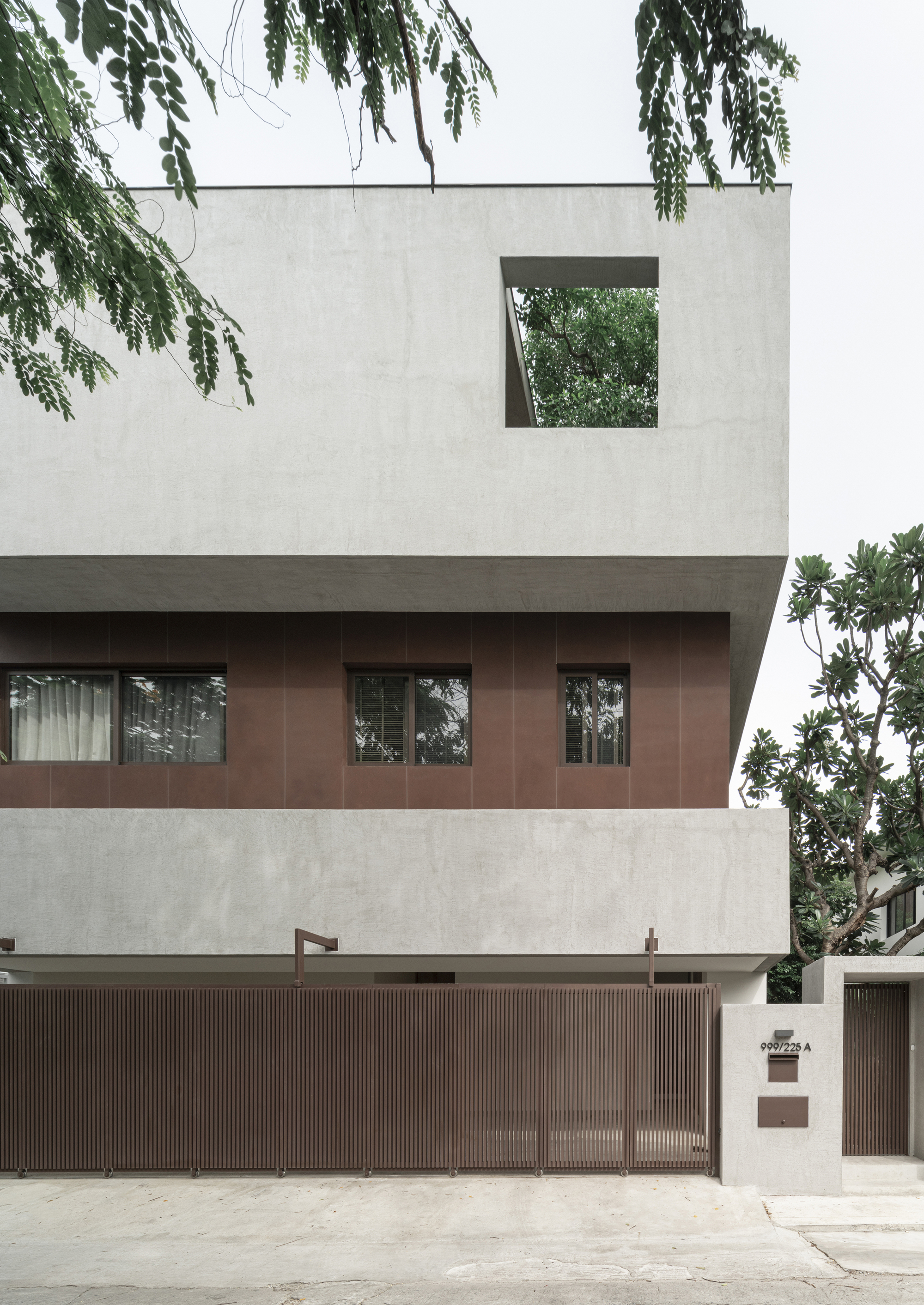
17 hours ago7 Unbuilt Houses Shaped by Site, Climate, and Constraints
Residential architecture is explored through unbuilt projects that respond to site, climate, and constraints, emphasizing the house as a spatial system.
The courtyard of MoMA PS1 in Queens was buzzing during Wednesday night's opening of Greater New York, now in its sixth edition. Our team shares first impressions from the expansive show, which included more than 50 New York City artists at the beginning of their careers.
Sabahs are made entirely by hand from 100% leather in either Texas or Turkey—two regions with distinct yet deeply rooted relationships to the material. The result is a shoe that varies subtly from pair to pair, even within the same size.
The amended law reframes the calculation of fringe benefits for individuals who work on public works projects and mandates annualization of such benefits, demolishes the practice of frontloading these benefits, and requires employers to maintain inspection-ready records of compliance.
Carl Cokine Anthony redefined the relationship between racial equity, regionalism, and the environment, establishing a foundation for future environmental justice initiatives.
Through Community Facilities Districts (CFD), Municipal Utility Districts (MUD), Public Improvement Districts (PID), Community Development Districts (CDD) and reimbursement districts (RD), builders can potentially shift infrastructure costs off their balance sheets and onto special districts that homebuyers ultimately absorb through property taxes without potentially adding debt to the builder's books.
We have clients who have looked at property in the city or town where they live, but simply can't afford what is coming onto the market. Instead, they are considering using the considerable equity they have built up with those soaring real estate valuations in recent years. Many of these people can invest money into their properties and still have equity left after a major remodel and addition.
Cedar Street just came out victorious in a multi-year saga with the city of La Canada Flintridge, winning the first successful builder's remedy case in California Superior Court for its 80-unit mixed-use project at 600 Foothill Boulevard and setting a path for other developers to build. But the fight may have left its scars, in time, stress and now soured relationships with some officials.
A Gothic cathedral can take centuries to complete. A world exposition pavilion may stand for six months. A ritual structure in Kolkata rises and vanishes within five days. Yet each draws pilgrimage, shapes collective memory, and reorganizes urban life. If heritage has long been defined by what endures, architecture repeatedly shows that cultural authority can also belong to what gathers people.
Heritage sites constitute complex spatial archives in which architecture, history, and collective memory converge. They encompass a wide spectrum of contexts-from archaeological remains, ancient and historic townscapes, UNESCO-listed landscapes, to early modern civic structures and industrial infrastructures. Yet these environments confront challenges: climate change, urban transformation, disaster, shifting social needs, and the gradual erosion of material fabric. Revitalization and restoration projects respond to these conditions by positioning architectural and spatial practice as an active mediator between preservation and the contemporary topologies.