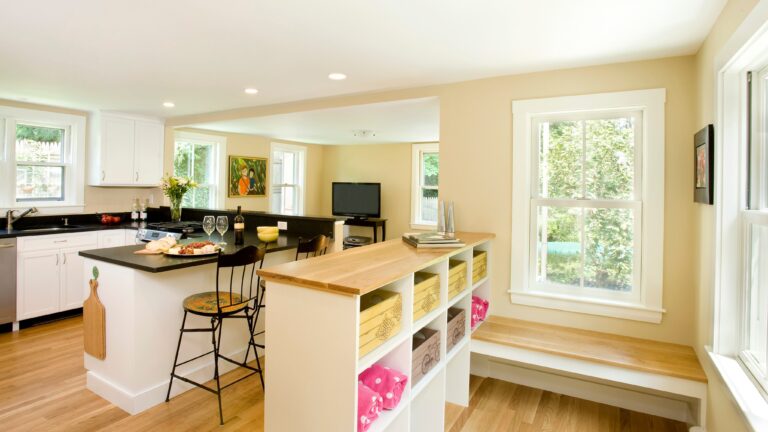
"We have clients who have looked at property in the city or town where they live, but simply can't afford what is coming onto the market. Instead, they are considering using the considerable equity they have built up with those soaring real estate valuations in recent years. Many of these people can invest money into their properties and still have equity left after a major remodel and addition."
"Another reason for the uptick in additions is the relaxing of zoning laws in many cities and towns that have made it easier to add space to your home. (In the past, many local communities required a variance from the local zoning board to make an addition to an existing home. This could be an onerous and costly undertaking, and there is always the chance that after all that work, the variance isn't approved and the plans have to be amended.)"
"This seems to be part of a statewide trend to increase the housing stock and address the steep cost of housing. These relaxed zoning laws allow multifamily homes to be built on a site, or for an addition to be used as an accessory dwelling unit (ADU). Whichever way a homeowner utilizes the relaxed zoning laws tends to be a win."
Additions can dramatically change how people live and work in their existing property. Demand for home additions is rising heading into 2026 across the region. Rising housing costs in Massachusetts are pushing homeowners to stay and expand instead of buying elsewhere. Many homeowners tap considerable built-up equity and combine savings with equity loans to finance remodels while interest rates stabilize. Relaxed local zoning laws are making additions and accessory dwelling units or multifamily units easier to permit, reducing variance barriers. Working with an architect and builder is important for design and local zoning navigation.
Read at Boston.com
Unable to calculate read time
Collection
[
|
...
]