#Architecture
#Architecture
[ follow ]
#architecture

Design
fromdesignboom | architecture & design magazine
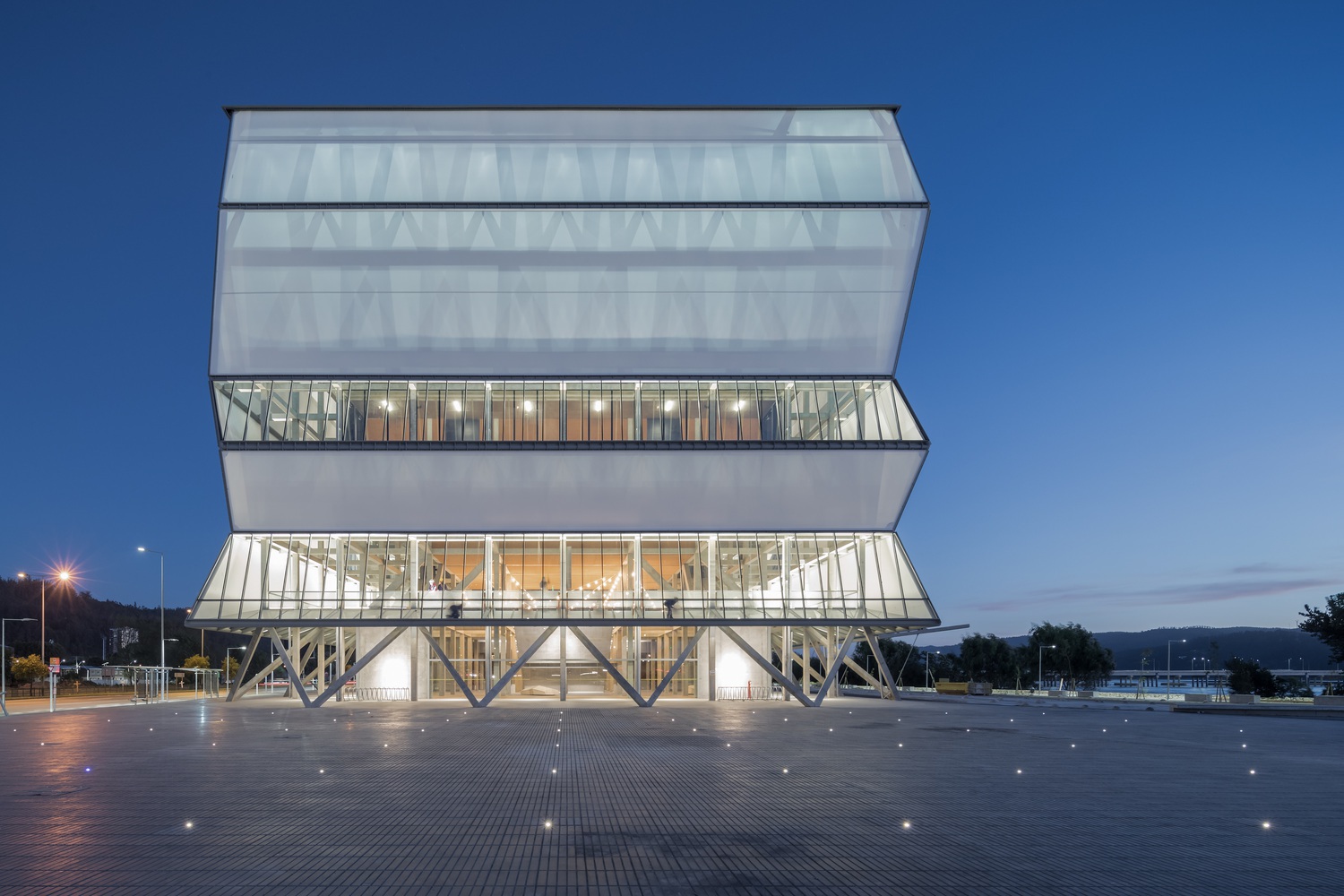
2 hours agotranslucent polycarbonate skin envelopes triangular shelter elevated on stilts in ecuador
Casa 6-3 uses elevated triangular timber structure and translucent polycarbonate envelope to create a lightweight, permeable retreat integrated with Mindo cloud forest.

fromHyperallergic
1 day agoHundreds Lambast Trump's $7.5M Plan to Whitewash Eisenhower Building
“Are you out of your minds?” wrote Jessica Douglas in an email to the National Capital Planning Commission (NCPC) ahead of a meeting about the Trump administration's plan to whitewash the Eisenhower Executive Office Building's granite exterior. According to over 2,000 public responses submitted to the NCPC, hundreds of concerned citizens like Douglas have voiced their disapproval of the Eisenhower Executive Office Beautification Project before the commission reviewed the proposal on May 7, emphasizing that paint and granite are about as compatible as oil and water.
Arts
Liverpool FC
fromenglish.elpais.com
5 days agoFrom the Bernabeu to Greenland: 10 iconic and unique football stadiums
Football stadiums worldwide are distinct, with football felt in every venue and each place offering unique surprises shaped by surroundings, architecture, tradition, and fans’ experiences.
fromArchDaily
6 days agoKengo Kuma & Associates and Field Operations to Renovate Pennsylvania's Brandywine Conservancy & Museum of Art
The Brandywine Conservancy & Museum of Art, located near Philadelphia, is dedicated to promoting the natural and cultural connections between the region's landscape, historic sites, and artists. The Conservancy protects land and waterways throughout the Brandywine Valley and other priority conservation areas, while the Museum houses a collection of American art, with particular strengths in landscape and still life painting, portraiture, and illustration.
Arts
Renovation
fromArchDaily
6 days agoThe Albanian Kaleidoscope - Reconstruction and Musealization of the National Historical Museum / Casanova + Hernandez Architects
Architecture in Tirana is shifting from ideological instrument to a platform enabling critical cultural engagement amid rapid modernization.
fromArchDaily
1 week agoSmiljan Radic to Lead 2026 Pritzker Laureate Lecture and Panel on "Architecture: Distraction and Knowledge"
The jury highlighted his 'unorthodox approach to design,' which 'may initially appear unusual, unexpected, even rebellious; yet, far from producing alienation or estrangement, his anti-canonical stance feels fresh and unprecedented.'
Design

Design
fromdesignboom | architecture & design magazine
1 week agoins studio revives former residence as a lively community learning hub and cafe in indonesia
Taobun Literacy House is a community-oriented space designed for reading and learning, integrating accessibility and flexible use in its architecture.
fromBrownstoner
1 week agoThe Prospect Lefferts Gardens House Tour Returns
The Prospect Lefferts Gardens house tour was started by the Prospect Lefferts Gardens Neighborhood Association in 1969 with the express purpose of integrating the neighborhood and countering the block busting that was going on at the time.
NYC real estate

Design
fromYanko Design - Modern Industrial Design News
1 week agoThis Korean Partition Uses A Periscope-Inspired Design To Reflect The Sky In Your Room - Yanko Design
CHAGYEONG partitions enhance urban living by providing privacy and natural light through a design inspired by the traditional East Asian concept of borrowed scenery.
fromYanko Design - Modern Industrial Design News
1 week agoMorocco's Mohammed VI Tower: The Rocket That Rewrote Africa's Skyline - Yanko Design
The Mohammed VI Tower, inaugurated on April 23, 2026, in Salé, Morocco, rises 250 metres across 55 floors, making it the tallest building in Morocco and the third tallest in Africa.
London
fromdesignboom | architecture & design magazine
1 week agowith its intricate exoskeleton, powerhouse parramatta takes shape in sydney
The outer layer of Powerhouse Parramatta's facade is a steel exoskeleton made from repeating diagonal members, forming a dense lattice that carries loads while sitting off the main envelope. It performs as sun control, especially in the Sydney light where the western exposure can be intense.
Renovation
[ Load more ]