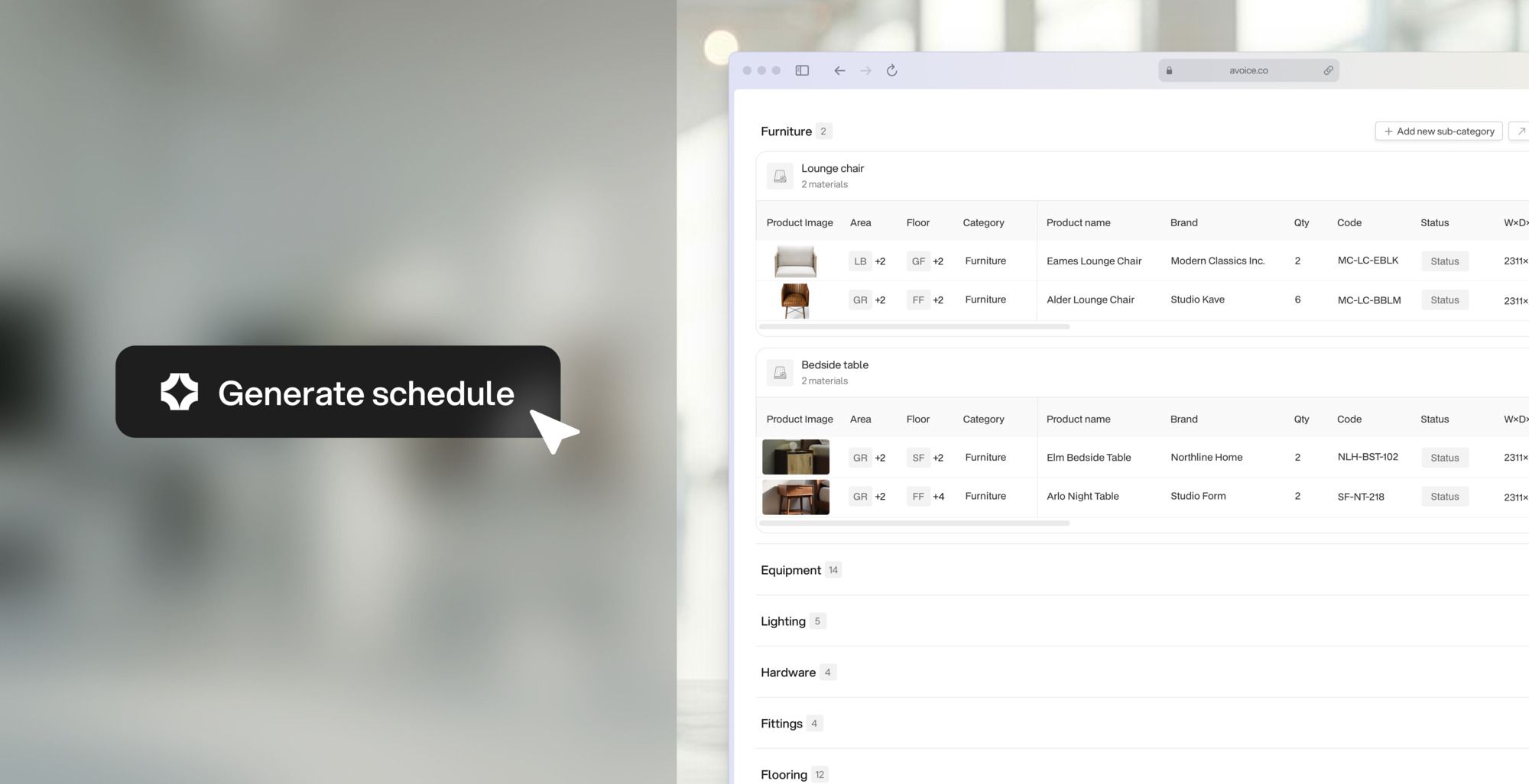
"Some types of work only become visible when they are no longer done. They are discrete, repetitive, rarely celebrated, yet they quietly sustain the functioning of any operation. In architecture, this dimension rarely appears in the images that circulate. When we think about the discipline, we evoke seductive renderings, carefully lit perspectives, precise plans, drawings that promise possible or even utopian futures. Yet the layer that supports these formal gestures is not found in the image, but in specification, detailing, and documentation."
"Since artificial intelligence moved to the center of architectural debate, the conversation has largely been driven by its ability to generate forms and atmospheres in seconds. Stylistic simulations, conceptual variations, and visual experimentation have come to symbolize technological advancement in the field. There is something understandable in this fascination: architecture has always engaged with representation as a way of imagining what does not yet exist."
"Far from the glow of images, much of the work is devoted to the production, revision, and coordination of multiple layers of information, including technical specifications, code research, material coordination, compliance verification, responses to RFIs, and quality review processes. These tasks are far more than bureaucratic appendages; they are what allow architecture to become buildable, safe, and compliant. They require meticulous, fragmented, and iterative attention."
Many essential architectural tasks remain invisible until absent. Visual representations emphasize renderings and speculative imagery, while specification, detailing, and documentation form the operational layer. Artificial intelligence discourse has focused on rapid image and form generation, privileging stylistic simulation and conceptual variation. Daily practice centers on producing, revising, and coordinating technical specifications, code research, material coordination, compliance verification, RFI responses, and quality reviews. Those processes make architecture buildable, safe, and compliant and require meticulous, fragmented, iterative attention. Tension between creative intention and administrative obligation constitutes a structural condition of practice. Platforms are emerging to organize and interpret technical documentation to address that terrain.
Read at ArchDaily
Unable to calculate read time
Collection
[
|
...
]