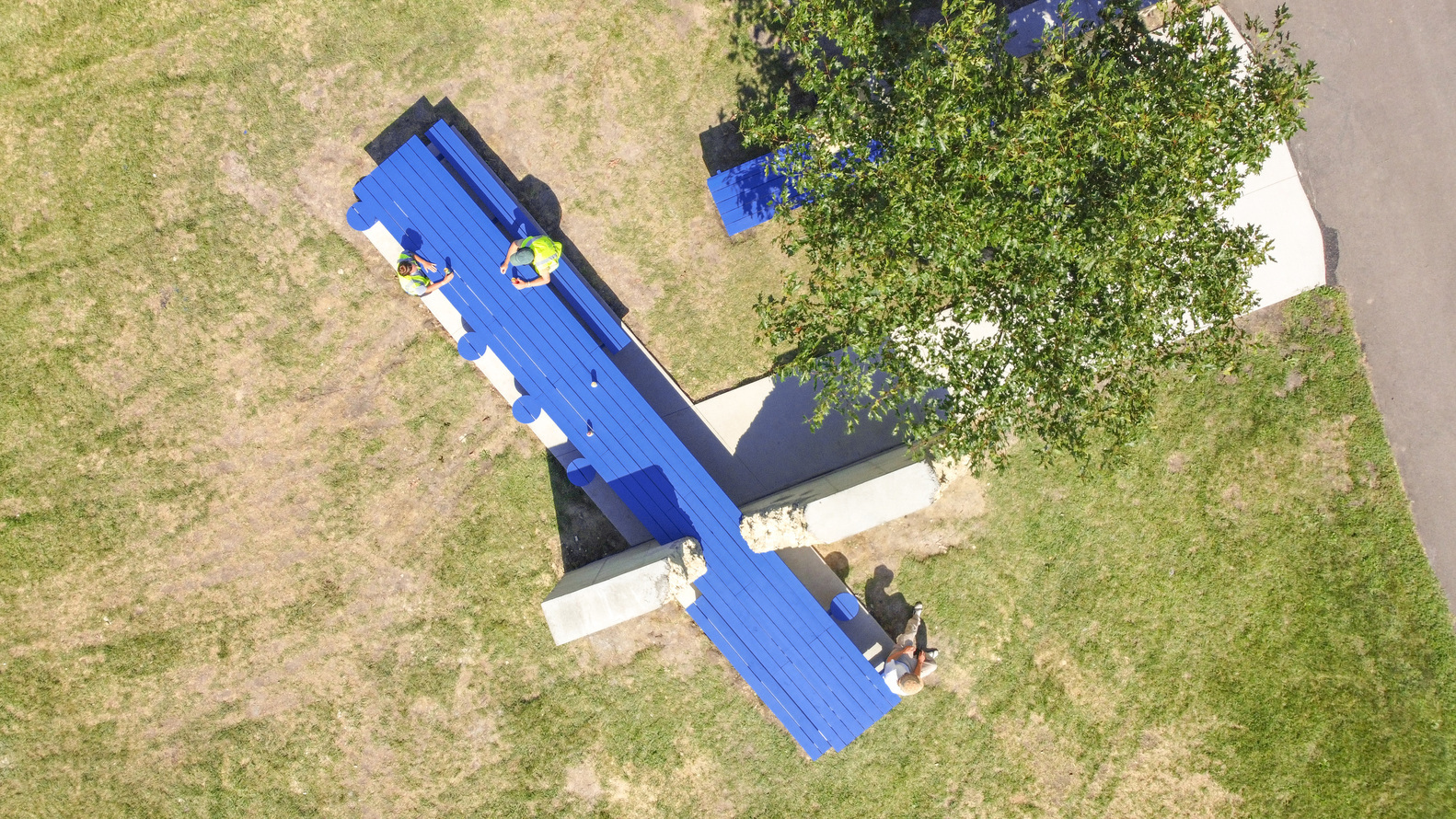
A long table functions less as an object and more as a spatial instrument that shapes social conditions for eating together. The long surface creates shared edges, rhythms of arrival, mutual visibility, and rules that can turn meals into communal scenes without guaranteeing connection. Commensality describes how eating together can create, reinforce, or contest social order. Unwritten rules about seating, service, arrival, and departure structure interaction, and architectural features amplify those signals. Across refectories, markets, community kitchens, and cooperative housing, repetition, comfort, and small permissions turn gathering around a table into a place where people can stay without performing belonging. Average Americans spend about 1.24 hours daily eating and drinking—roughly 36,000 hours across a lifespan—underscoring the table’s persistent social role.
"It can stretch beneath a market canopy, run along a school dining hall, or occupy the center of a shared living room, and it immediately changes the room's temperature. That is why the long table is less an object than a spatial instrument. It does not guarantee a connection, and it rarely looks "inclusive" by default. Instead, it sets conditions: a shared edge, a common rhythm of arrival, a field of mutual visibility, or a rule that turns eating into a scene with others."
"A table also carries rules that are rarely written down. Seating is never neutral, and neither is the sequence of the meal, who arrives first, who serves, who can leave and return. Architecture amplifies these signals, whether the dining room is a passage or a destination, whether the kitchen is visible or hidden, whether there is space to linger without being in the way."
Read at ArchDaily
Unable to calculate read time
Collection
[
|
...
]