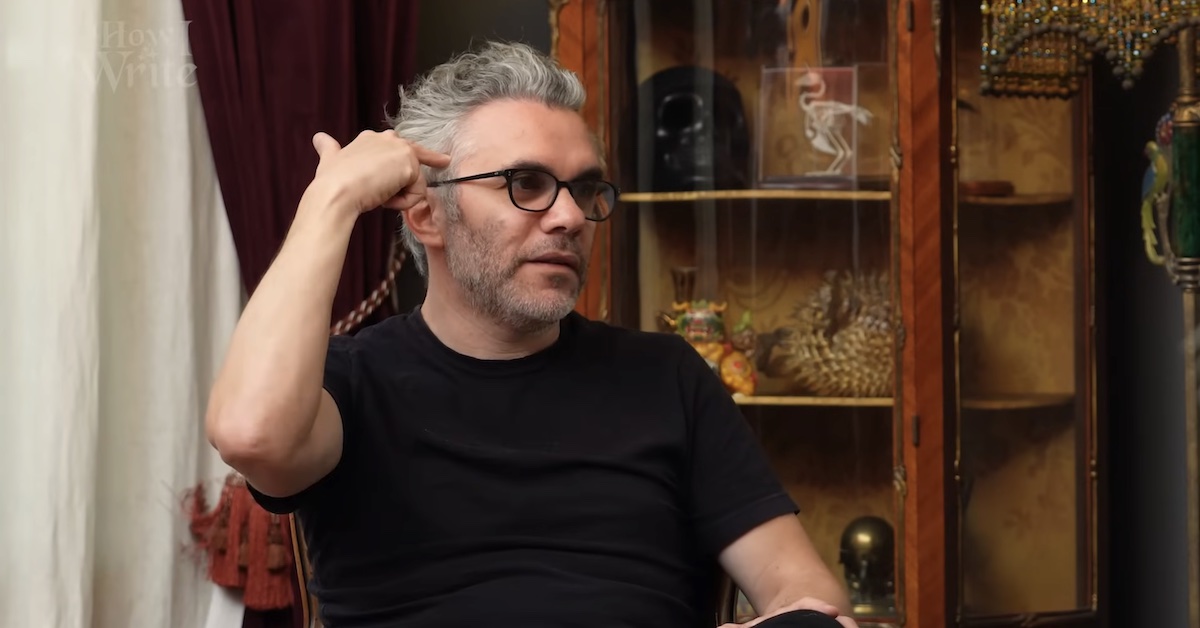
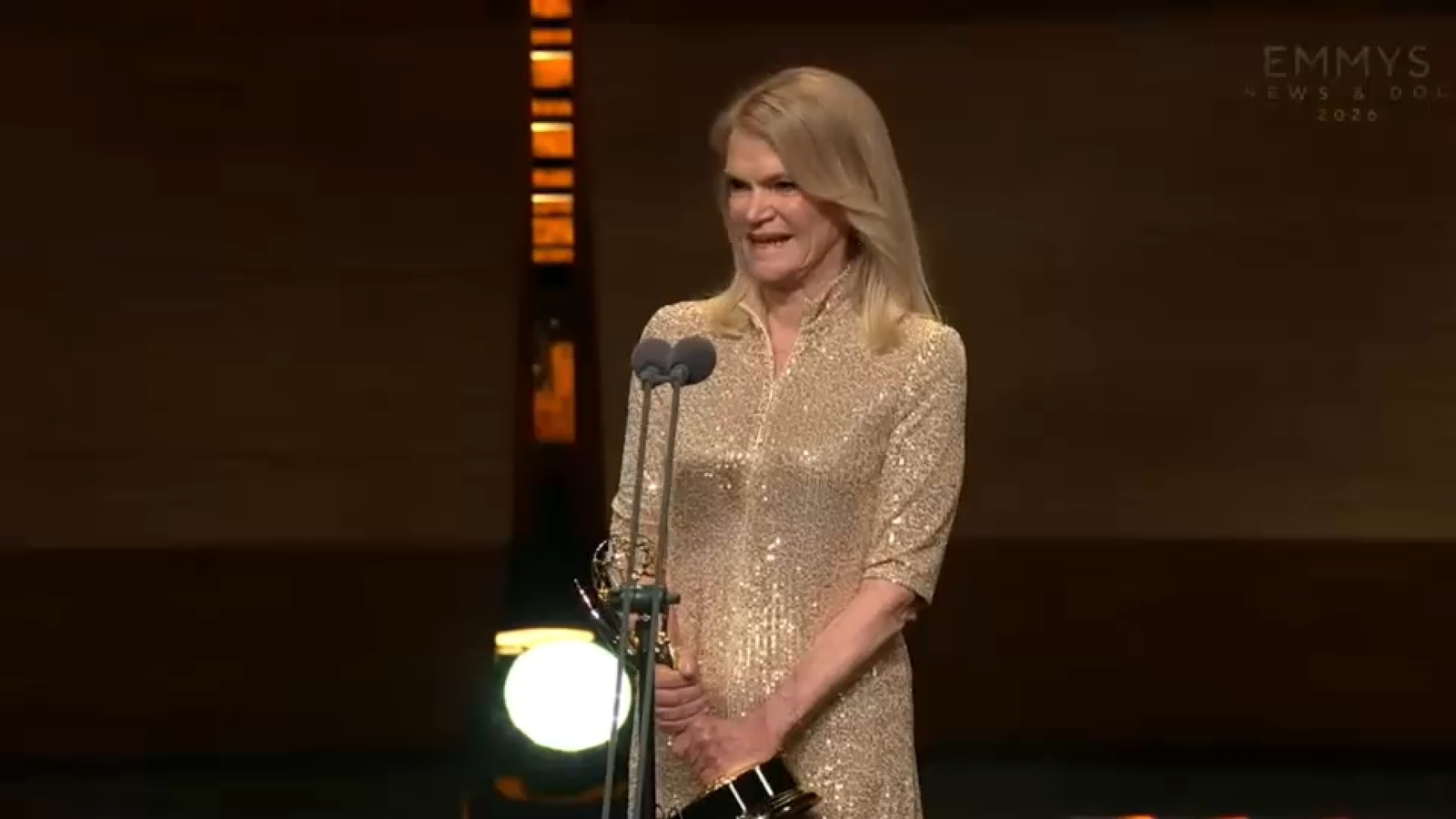
Weiss had recently arrived in Los Angeles from New York, a city she'd left behind in 2020 along with her job editing and writing for the New York Times' "Opinion" section. Although Weiss technically left of her own volition - blasting the paper for its "illiberal environment" in her publicly posted resignation letter - it felt as though she had been hounded out in the wake of the Tom Cotton op-ed fiasco, during which her boss, James Bennet, had been forced to step down amid a newsroom revolt.
Once I cooled off, I realized that counsel, which arrived in a LION sustainability audit, was wise if difficult to achieve. Try finding a grant for a business partner. Go ahead, I'll wait. Not getting "operational" money is, of course, a complaint not limited to news organizations, nonprofit or otherwise. Program officers are generally disinclined to pay for your overhead. But let me propose something radical: If we're saving journalism, it's going to require overhead.
It's an efficient way to get information, and it lives in a space that combines many information sources. Social feeds are places where audiences can get updates about the many facets of their life - community events, road closures, upcoming local issues, updates from friends and family, advice for working more efficiently - in one place, making it especially ripe to soak in new information.
Our starting point: Let's agree that journalism is not content. It's not a product. It's not an export. It's a shared resource. Treat it that way and everything changes. The idea of a journalism commons is not new (certainly not to Nieman Lab predictions), nor is it a metaphor; it's a tried-and-trusted, locally owned governance model that anyone can take part in,
1 TIPSY TIP, "the point" + S and Y 4 PSEUDONYM P{S}EUDON{Y}M, DUE, "expected"<="back" + ON, "over" inside PM, "afternoon" with S and Y inserted 9 SATYRIC A + TRIC[-k] with S and Y inserted 10 OUTSTAY Anagram ("dilapidated") of "auto" with S and Y inserted
The old model imagined journalism as a set of headlights that froze wrongdoing in the glare of publicity. But today, the information environment is constantly illuminated with infinite content. When everything is bright, nothing stops. Nothing changes. The spotlight has become ambient light. For years, journalism relied on a simple chain of accountability: expose wrongdoing and someone would apply pressure. Public institutions, regulators, voters, shareholders, civic groups, or even social norms were expected to take the next step once the facts were visible.
Forty years of toxic media policy, the libertarian ethos of big tech, the collapse of the 20th-century business model, the paranoia and extremism of online life, the rise of the far right: when stirred together, these nutrients do not constitute the soil for a healthy free press. This is certainly not the first time people have found themselves with a dearth of formal news structures. Besides most of human history, one could point to present-day Hungary or Turkey or Saudi Arabia.
But in 2026, we're going to stop personalizing the menu and start personalizing the meal. The first phase will be the "easy" stuff, mostly personalization of format. If you're a commuter, you get the audio summary that lasts the exact length of your train ride. If you tend to spend the working day in your inbox, you get the newsletter bullet points. If you're a devoted flicker, you get the vertical video.
It's a cold Tuesday in early November, and Sarandos, 61, has arrived at the launch party for Netflix's new business in a small town just outside Philadelphia called King of Prussia, home to a massive shopping mall of the same name. There, the media group has opened its latest venture: a themed entertainment center featuring a restaurant, store, game rooms, an escape room, and other attractions inspired by characters from its most popular series such as Squid Game, K-Pop Demon Hunters, One Piece, and Wednesday.
The firm's "Family of Apps," its core business, consists of Facebook, Instagram, Messenger, and WhatsApp. End users can leverage these applications for a variety of different purposes, from keeping in touch with friends to following celebrities and running digital businesses for free. Meta packages customer data, gleaned from its application ecosystem and sells ads to digital advertisers. While the firm has been investing heavily in its Reality Labs business, it remains a very small part of Meta's overall sales.
The Washington Post's new offering, "Your Personal Podcast," uses artificial intelligence to customize podcasts for its users, blending the algorithm you might find in a news feed with the convenience of portable audio. The podcast is "personalized automatically based on your reading history" of Post articles, the newspaper says on its help page. Listeners also have some control: At the click of a button, they can alter their podcast's topic mix or even swap its computer-generated "hosts."
Earlier this week, the Washington Post announced that it would be launching "personalized" AI powered podcasts that would let users choose their own AI host to regale them on their choice of topics. And now for an entirely unsurprising update: the AI podcasts have turned out to be complete, error ridden disasters. Semafor reports that less than 48 hours after launching, the AI podcasts have sparked outrage among the WaPo's rank and file and editors alike.