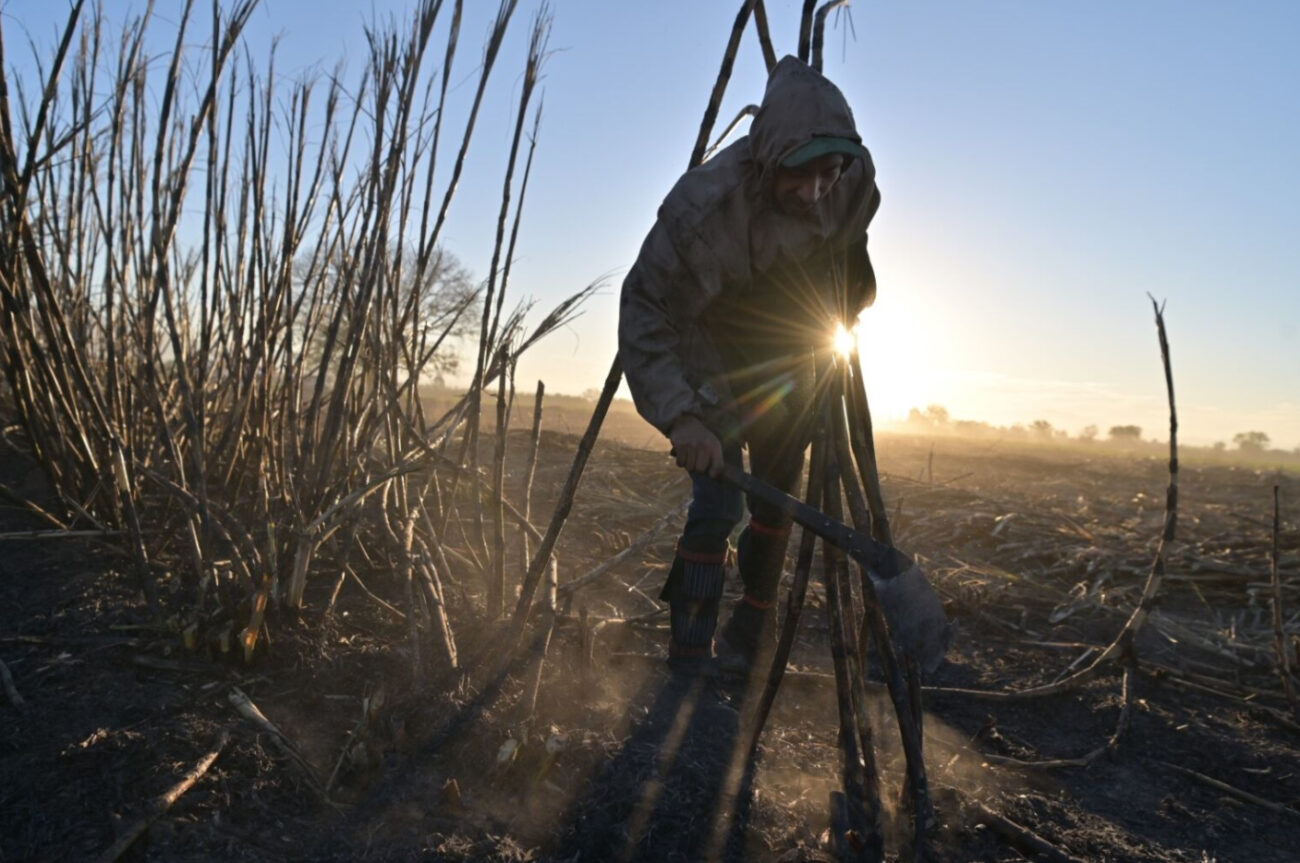
The sign outside Tom Hermes's farmyard in Perkins Township in Ohio, a short drive south of the shores of Lake Erie, proudly claims that his family have farmed the land here since 1900. Today, he raises 130 head of cattle and grows corn, wheat, grass and soybeans on 1,200 acres of land. For his family, his animals and wider business, water is life.
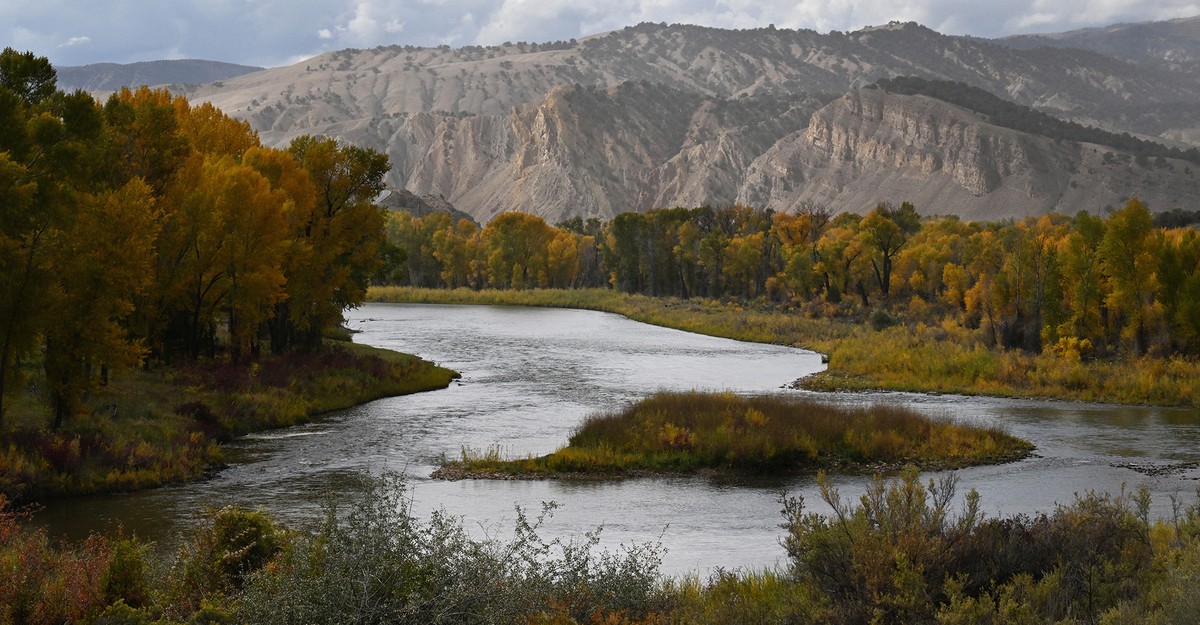
Augustus Doricko, founder and CEO of cloud-seeding startup Rainmaker, surveys the sky from a sunbaked hillside 5 miles from Utah's Great Salt Lake. On this balmy Sunday afternoon in late September, the lake is calm, but its serenity belies a potentially catastrophic problem: The Great Salt Lake is shrinking-and is at risk of disappearing altogether. At its peak 40 years ago, the lake covered 2,300 square miles; today, more than 800 square miles of lake bed are exposed.
Civil rights groups say these impacts resemble earlier patterns seen with highways, refineries and manufacturing: pollution concentrated where political resistance is weakest and property values are lowest. Data centers can also consume millions of gallons of water per day and use as much electricity as a small city, driving up energy and water use costs for poor residents. Zoom in: A supercomputer data center built by Elon Musk's xAI in Southwest Memphis, a historically Black neighborhood, faces a legal challenge from the NAACP.
Since at least 2008, scientists have warned that unchecked groundwater pumping for the city and for agriculture was rapidly draining the country's aquifers. The overuse did not just deplete underground reservesit destroyed them, as the land compressed and sank irreversibly. One recent study found that Iran's central plateau, where most of the country's aquifers are located, is sinking by more than 35 centimeters each year.
Rising temperatures and growing populations are putting pressure on our freshwater supply. Many countries, including the UK, face looming shortages and possible disruptions to supply. If nothing changes, England could see a daily shortfall of 5 billion litres by 2055. To address this, the UK government is planning long-term solutions like new reservoirs to boost supply. But in the meantime, 60 percent of the expected deficit must be recovered by simply using less water.
The group, operating as the Water-AI Nexus Center of Excellence, said it is seeking to draw on the combined knowledge of its participants, working in academia, the water industry, utility sectors and tech to ensure AI growth does not come at the expense of the world's water supplies. "By maximising efficiency, eliminating unnecessary water use and investing in community-tailored solutions, we can collectively ensure that technological advancement and environmental stewardship will - and must - advance together," the group said, in a statement.