#lithium-mining
#lithium-mining
[ follow ]
#thacker-pass #water-scarcity #renewable-energy #environmental-justice #electric-vehicles #techmet #ukraine
fromwww.theguardian.com
4 months agoThe source of all life is here': plan to mine lithium in Chilean salt flat sparks fears of water scarcity
She also keeps chickens and has planted quince and peach trees and grapevines, which are watered by a stream winding down the hills towards the Indigenous community of Copiapo. But now the huge British-Australian mining multinational Rio Tinto has signed a deal to extract lithium, the white gold of the energy transition, from a salt flat farther up the mountains,
Environment


Miscellaneous
fromwww.dw.com
6 months agoSerbs and Bosnians join forces to fight lithium mining DW 11/04/2025
Communities in Serbia's Jadar Valley and Bosnia's Mount Majevica oppose foreign lithium mining due to environmental, health, and cross-border contamination risks while mobilizing strong civic resistance.
fromSFGATE
7 months agoCalif. region faces 'serious risks' from lithium mining project, report says
According to a September 2025 report issued by Comité Cívico del Valle and Earthworks, Controlled Thermal Resources' proposed lithium mining operation, the Hell's Kitchen Lithium and Power Project, will have significant environmental impacts on the surrounding area. The operation, which is still in the beginning stages, will divert at least 6,500 acre-feet of fresh water each year, straining natural resources in an arid region that's already struggling to combat drought.
Environment
Environment
fromNature
7 months agoFrom fossil fuels to 'green capitalism': the dilemmas of a just energy transition
Lithium-driven green transitions replicate extractive harms; demand-reduction strategies and diverse zero-emissions pathways can protect people, ecosystems, and avoid neo-colonial resource extraction.
fromwww.aljazeera.com
7 months agoLithium Americas' stock surges amid possible US government stake
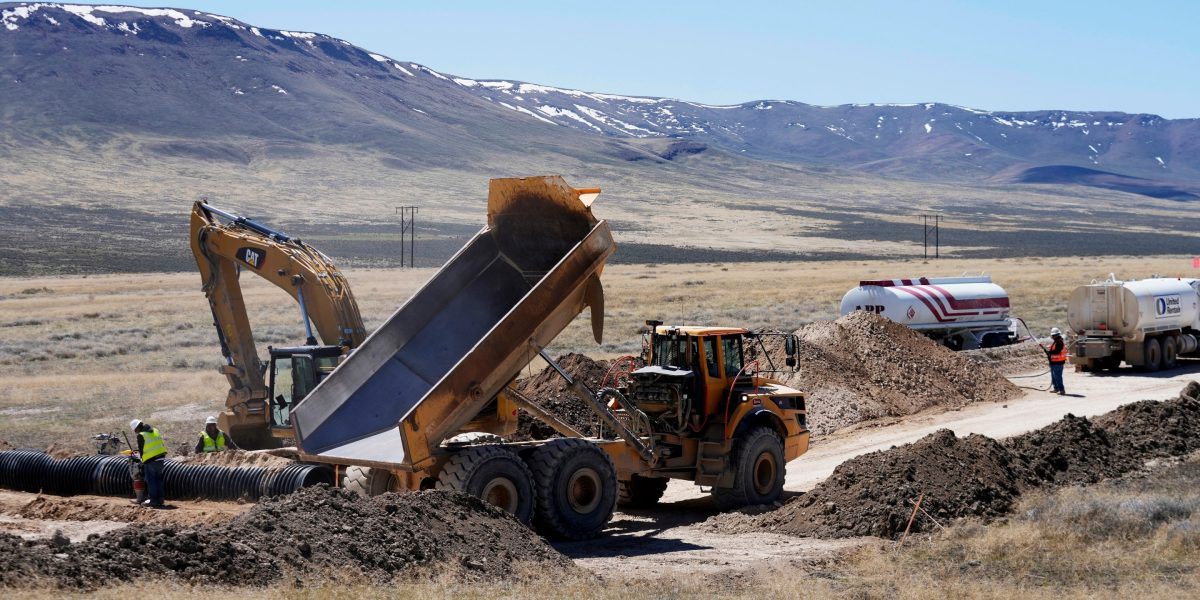
The administration of United States President Donald Trump is considering as much as a 10 percent stake in Lithium Americas, a Canada-based lithium mining company. Reuters reported on Tuesday that the White House is considering taking a stake in the company, citing two people familiar with the matter. The possible investment comes as part of the $2.2bn loan from the US Department of Energy for the company's Thacker Pass mining project in northern Nevada, the largest planned project of its kind in the Western Hemisphere.
US politics
fromwww.theguardian.com
8 months agoThe Dubai of South America': how the promise of riches from lithium mining turned to dust in Bolivia
Growing up near Bolivia's Uyuni salt flats, Franz Ali Ramos remembers playing in the high-altitude wetlands near his home during the rainy season. It was a beautiful recreation area for us and for animals, he says. Now, the wetlands have given way to cracked, sunbaked earth a change that Ali Ramos blames on nearby operations by Bolivia's state lithium corporation, Yacimientos de Litio Bolivianos (YLB).
Environment
[ Load more ]