#walmart-competition
#walmart-competition
[ follow ]
#walmart #amazon #e-commerce #retail #retail-strategy #ecommerce #costco #e-commerce-growth #customer-experience #aws


fromParade
6 days agoIconic Shopping Giant Files for Chapter 11 Bankruptcy Amid Industry Shift
QVC Group has filed for Chapter 11 bankruptcy protection, marking a significant shift for one of the most recognizable brands of the cable TV era. The company intends to operate as a debtor-in-possession under the jurisdiction of the Bankruptcy Court, aiming to maintain normal business operations during the proceedings.
Television
fromwww.bbc.com
1 month agoA small US grocer is calling out the lower prices at big chains
He says he paid roughly $5 to his distributor to get the pack of Honey Bunches of Oats onto the shelf. But his much larger rivals, the big US supermarket chains, can sell that same box for around $5 - essentially, the price he has to pay wholesale. That dynamic makes it "impossible for us to compete."
NYC politics
fromThe Motley Fool
1 month agoBest Consumer Stock to Buy Right Now: Costco or Walmart? | The Motley Fool
Costco sells its products with very little markup, choosing instead to make most of its money from membership sales. This business model makes sense: The better deals it has, the more likely people are to want a membership. Memberships at Costco are booming. In the fiscal first quarter of 2026, overall memberships were up 5% year over year to 146 million. And its higher-priced executive memberships were up a stronger 9%.
Business intelligence
Business
from24/7 Wall St.
1 month agoForget Amazon, If Oil Hits $100, Walmart Is the Only Retailer Built to Thrive the Squeeze
Amazon's $200 billion 2026 capex plan faces significant risk from rising energy costs, while Walmart's established infrastructure provides competitive advantage during potential oil price spikes.
E-Commerce
fromTasting Table
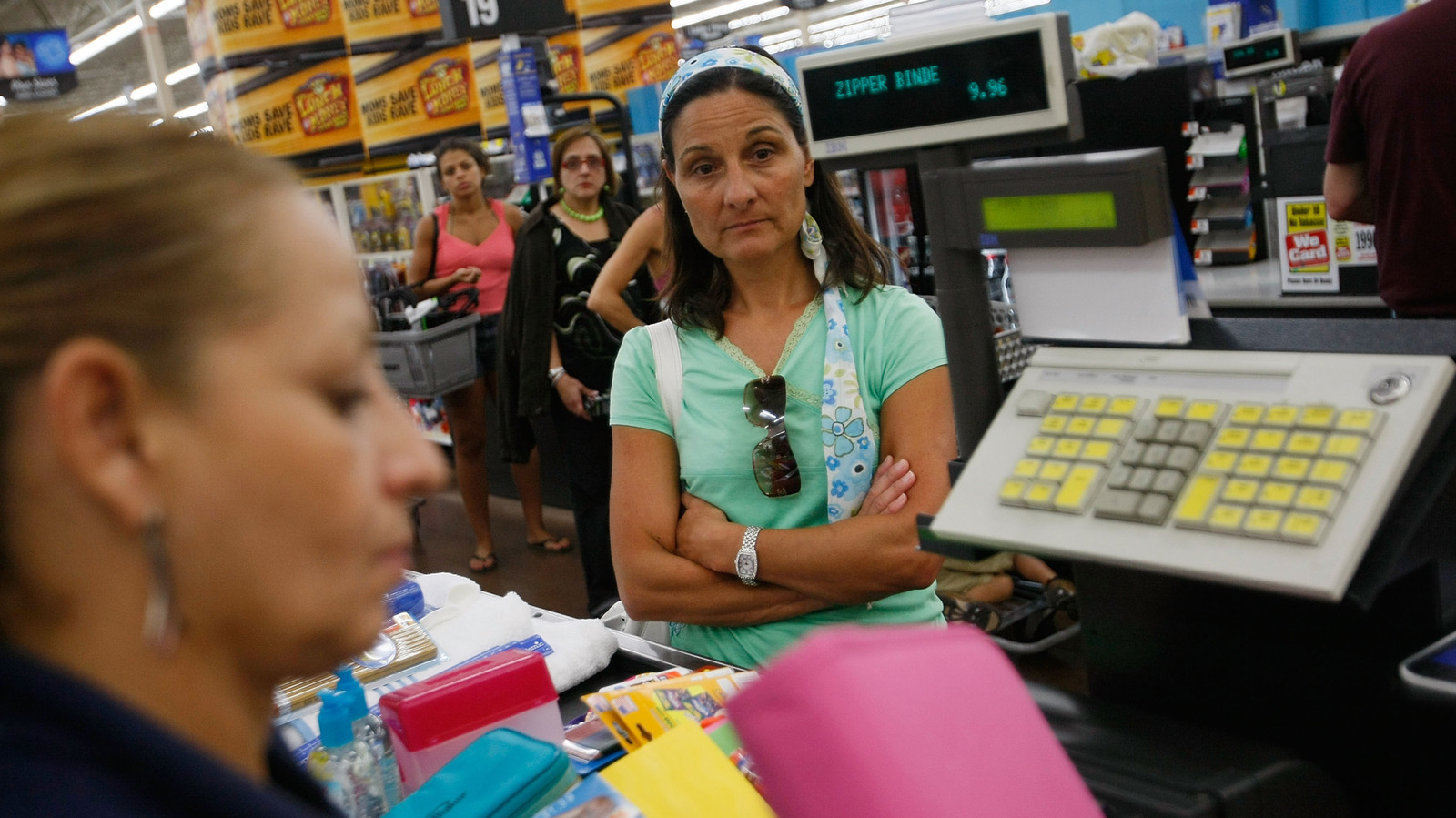
1 month ago7 Grocery Chain Price Adjustment Policies Every Customer Should Be Aware Of - Tasting Table
Many grocery stores offer price adjustment policies allowing customers to receive refunds when item prices drop shortly after purchase, requiring receipts and exact product matches.
Business
from24/7 Wall St.
1 month agoThe Great Divide: Is Walmart the Ultimate Hedge for 2026?
Walmart is structurally positioned as a macro hedge in a bifurcated economy, capturing both affluent and lower-income consumers while expanding high-margin revenue streams like advertising and membership fees.
fromInc
2 months agoThe New Rules of Big-Box Retail
The outlook for 2026 I'm watching 2026 with equal parts optimism and urgency. Optimism because consumer demand is still there. Retail sales have remained resilient in recent data. Urgency because the operating environment is only getting tighter. Coming out of FY2025, large retailers demonstrated resilience amid inflation pressure, shifting consumer behavior, and global supply-chain complexity. Walmart raised its outlook and leaned further into a model that blends physical stores, e-commerce scale, and execution discipline.
E-Commerce
fromwww.independent.co.uk
1 month agoDoes free shipping actually exist? Marketing ploys experts want to warn you about
You're scrolling through an online retailer, like Amazon, Shein or eBay, and spot a shirt on sale for $40. You add it to your cart, but at checkout, a $10 shipping fee suddenly appears. Frustrated, you close the tab. But what if that same shirt was priced at $50 with free shipping? The likelihood that you would have bought it without a second thought is much higher.
E-Commerce
[ Load more ]