Media industry
fromAxios
2 days agoAOC's hide-and-seek strategy with the press
Ocasio-Cortez limits interviews, relying on her social media presence and cautious approach to media engagement.
Back then, news didn't break unless the town crier tripped over his own words. There were no "breaking reports," no special election coverage, no bickering pundits crammed into a single screen. News traveled so slowly that it took more than six months for word to spread across the thirteen colonies that the Revolutionary War was over.
When a player mows down one of their opponents in Call of Duty, a yellow number-indicating points based on their value-appears above the head of the recently slain. Collect enough of those points, and players are granted access to devastating ordinances. Accordingly, in the White House video, a +100 integer flashes on-screen when a mortar shell connects with its target, as if the president himself were landing trick shots on his Twitch stream.
Even though some White House policies are popular, policy is but one leg of the three-legged stool of political leadership. Rhetoric also matters. So, too, does implementation, especially at the executive level. Without its full complement of limbs, this three-legged stool is prone to tip over and shatter. Communication about public policy is as important as the public policy itself, Jeffrey Brauer, a political scientist at Keystone College, near Scranton, Pennsylvania, told me.
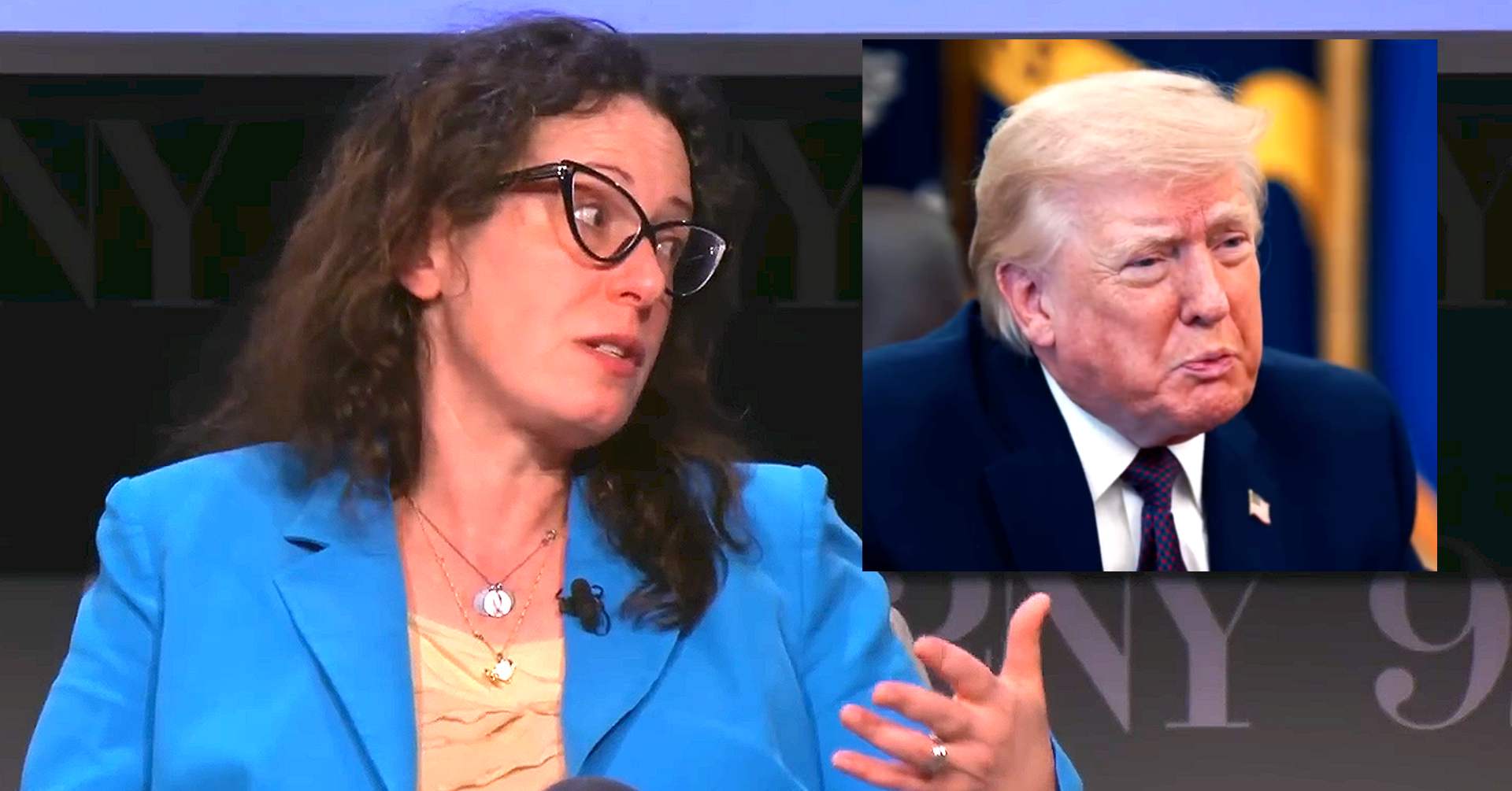
Donald Trump seems to have come back from the future. From that dystopian and bleak tomorrow toward which some seek to lead us, taking advantage of the growing polarization and the prevalence of emotions over rationality. From that digital realm characterized by the rise of social media, now made stronger and more chaotic by the explosion of generative artificial intelligence. Ezra Klein recently discussed this on his podcast with the journalist and activist Masha Gessen.
"The political views of children inform the electoral choices of many current electors, including their parents and their teachers, as well as others interested in the views of those soon to reach the age of maturity," the company's court filing states. "Preventing children from communicating their political views directly burdens political communication in Australia."
AI can be used both for and against the public interest within democracies. It is already being used in the governing of nations around the world, and there is no escaping its continued use in the future by leaders, policy makers, and legal enforcers. How we wire AI into democracy today will determine if it becomes a tool of oppression or empowerment.
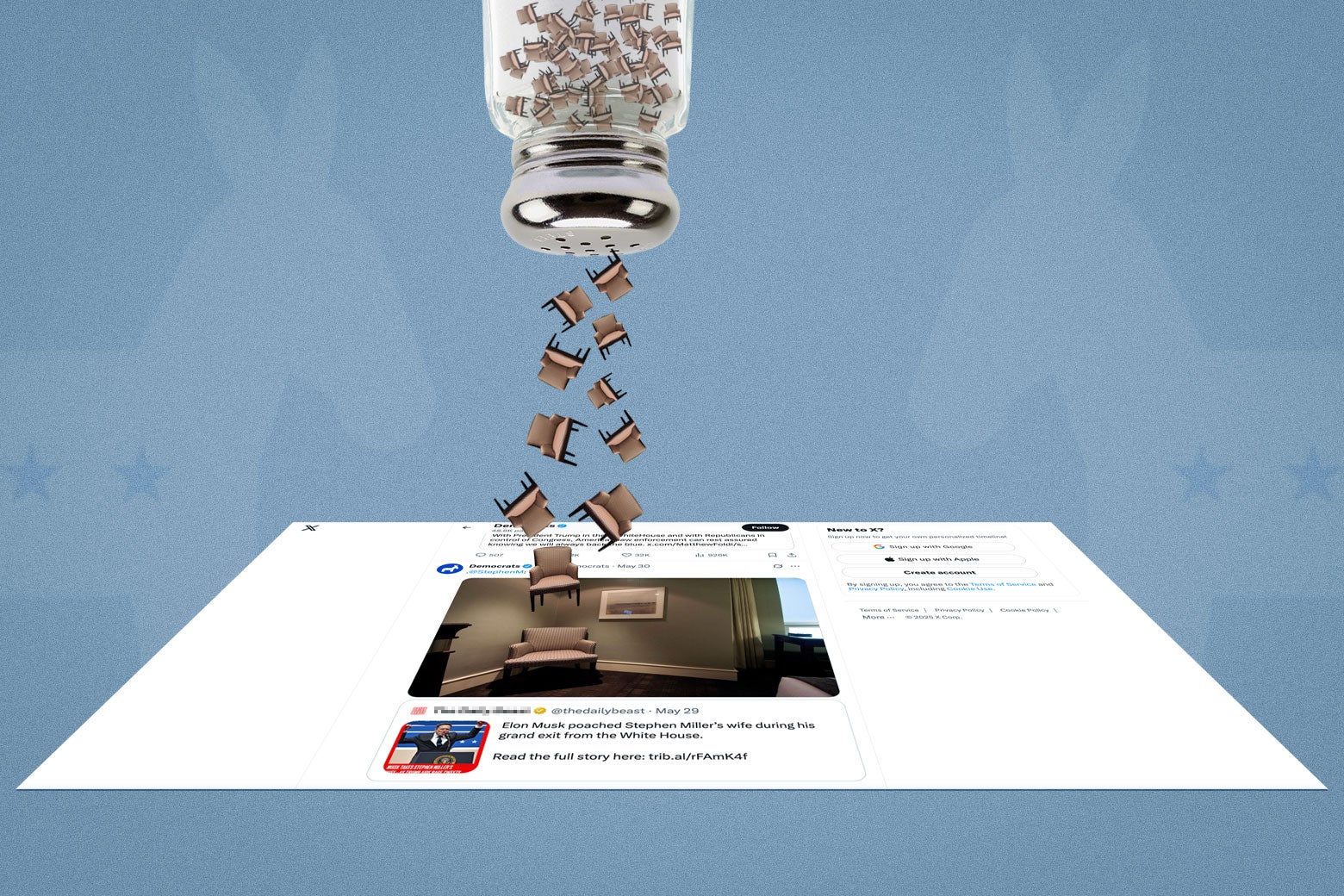
It's a stylized picture of droopy-mouthed Donald Trump, his face Mao-red, saturation cranked way up, details obliterated in an onslaught of digital filters-an effect the kids call "deep fried." Trump is flanked by oversize emojis-the laughing-crying face and the somber-and-downcast face with prayer hands-and spanning the top and bottom of the frame are the words BRO SHUT DOWN THE GOVERNMENT.
Speaking alongside President Donald Trump from Alligator Alcatraz on Tuesday, DeSantis praised the commander in chief for wanting to be helpful for governors, while attacking the previous administration.
In the early days of The Daily Show, convincing lawmakers to appear was tough, requiring a panel discussion for their advisors on the benefits of authenticity.