#democratic-party
#democratic-party
[ follow ]
#republican-party #israel #us-politics #redistricting #california-politics #political-strategy #john-fetterman
#us-elections
SF politics
fromFortune
22 hours agoDemocrats are looking for conservative versions of Bernie Sanders in states like Nebraska and Alaska | Fortune
Democratic leaders in red-leaning states are backing independent candidates to beat Republicans, including efforts to prevent Democrats from appearing on fall ballots.
SF politics
fromwww.mediaite.com
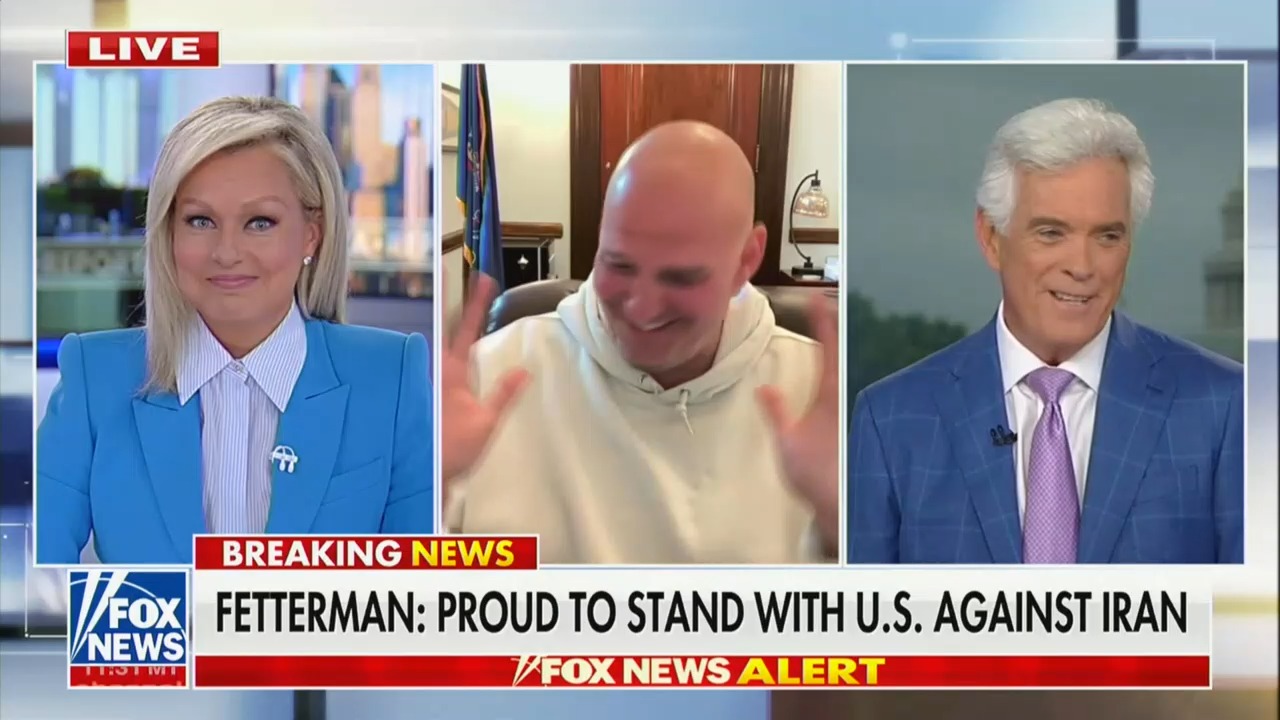
20 hours agoWe Should Listen to Him': Senate Dems Praise John Fetterman Amid Votes for Trump's War and Fed Chair
Democratic colleagues praised John Fetterman’s independent voting, respect for his voice, and advocacy for constituents after he crossed party lines on key votes.
fromTruthout
20 hours agoRep. Jared Golden Joins GOP to Block House Iran War Powers Resolution Yet Again
Maine Democratic Congressman Jared Golden was the target of fresh ire late Thursday after casting his party's sole vote against a war powers resolution in the US House aimed at curbing President Donald Trump's disastrous war against Iran. Though Golden, who is not seeking reelection this year, was an original cosponsor of the resolution ( H.Con.Res.75) offered by fellow Democratic Rep. Josh Gottheimer (D-NJ) back in March, he became the deciding vote in the 212-212 tie when it finally hit the floor - even as two Republicans broke with their party for the first time to support such a measure.
US politics
World politics
fromFortune
21 hours agoNew Mexico is raking in oil profits from Iran War, gaining $59 million for every $1 added to the price of a barrel | Fortune
Oil price surges from Strait of Hormuz bottlenecks are boosting New Mexico revenues, creating political tension over using fossil-fuel windfalls for social programs.






fromAxios
1 day ago83-year-old Rep. Frederica Wilson eyes reelection despite Hill absence
“What she just told me is that she's running for reelection ... she's not retiring,” Jones said. Zoom in: Known for her bedazzled outfits and matching cowboy hats, Wilson is a legendary figure in Miami, which, since 1998, she has represented in the Florida House, Florida Senate and then Congress.
Miami
fromwww.mediaite.com
1 day agoJames Carville Rips Loudmouth' Anti-Israel Dems But Says Most Anti-Semites Are Not Democrats'
That's an understatement. And the reason that most people become a Democrat, at least the reason I did, I think it's true, we don't dislike anybody. We're not against anybody. I mean, when I'm, you know, at my age, it was all White and Black growing up in the Jim Crow South. But I love Israel. I don't get it . And I don t have anything against them. I like Palestinian people. That's some of the nicest people I know.
Left-wing politics
#redistricting
SF politics
fromwww.mediaite.com
5 days agoFurious Democrats Reportedly Float Dramatic' Idea: Throwing Out Virginia's Supreme Court to Push Through Gerrymandered Map
Democrats considered replacing Virginia’s Supreme Court to reinstate a gerrymandered map after a ruling overturned it, while consulting lawyers and debating viability.
US politics
fromwww.mediaite.com
2 weeks agoFlorida Democrat Protests With Color-Coordinated Bullhorn as GOP Majority Approves DeSantis' Gerrymandered Maps
Florida's mid-decade redistricting, urged by DeSantis, aims to benefit Republicans, sparking protests and potential legal challenges from Democrats.
fromwww.mediaite.com
2 days agoFetterman Warns the Base of the Democratic Party is Becoming Increasingly Anti-American'
Well, I mean, you know, in 2016, it was much more about the minimum wage and some other very basic kinds of thing. And now that's, that's just turned into much more standing with like Cuba, standing with Venezuela, standing with the Iranian regime and, and turn that into much more becoming more increasingly anti-American for me. So my views really haven't changed that much, Fetterman replied, adding: Things that, that I supported, I was very supported [sic] about gay rights, you know, thing back in 2013, even before you and I, well, it would have been a couple of years.
Left-wing politics
fromLGBTQ Nation
2 days agoDemocrat refuses to resign amid outrage over "terrible" anti-trans mailer - LGBTQ Nation
Allegheny County Council President Patrick Catena (D) - who is running for a seat in the Pennsylvania House of Representatives - sent out mailers last week criticizing his opponent for being supported by an "extreme left group" that supports allowing trans people to participate in sports.
LGBT
#california-politics


SF politics
fromLos Angeles Times
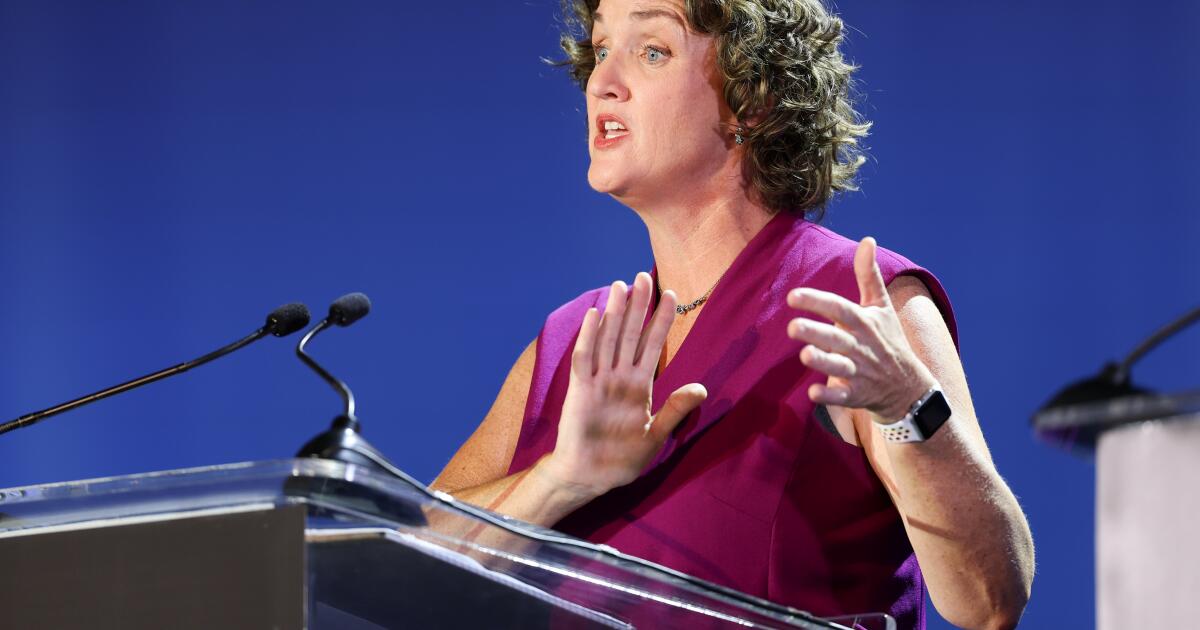
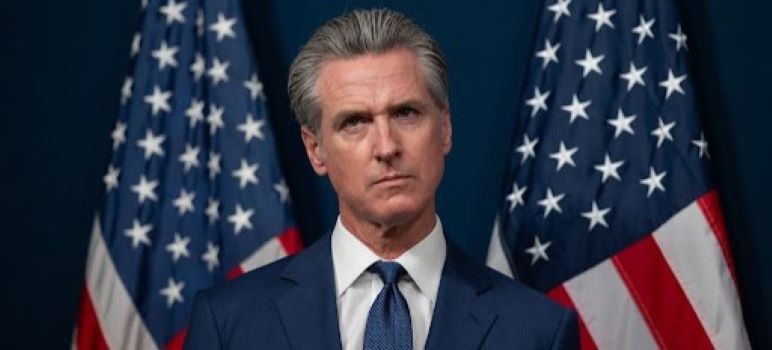
4 days agoCalifornia's Democratic incumbents face primary challenges from political newcomers
New challengers are targeting long-serving California Democrats in the June 2 primary as generational turnover and affordability concerns reshape Democratic politics ahead of 2026.
SF politics
fromThe Nation
4 days agoOn Redistricting, Will Virginia Democrats Surrender, or Get Creative?
Voting rights setbacks from invalidated congressional maps and election postponements show worsening conditions, while some Democratic leaders accept court outcomes and urge voters to participate.
Left-wing politics
fromwww.theguardian.com
5 days agoThe son of Somali immigrants shaking up Utah's Democratic primary
A progressive Democrat upset Utah’s party establishment, reflecting a wider split between moderate and younger progressive wings and frustration over representation of working-class and immigrant communities.
fromThe New Yorker
1 week agoBarack Obama in the Trump Era
The contributing writer Peter Slevin met with Barack Obama at the new Obama Presidential Center, which opens next month, in Chicago, and asked him the question on a lot of Democrats' minds: Where is he, and why isn't he doing more to help the country in a moment of crisis? Slevin shares excerpts from his interview, during which Obama explains the limits of his role, and why he should no longer be the figurehead for his party.
Left-wing politics
fromBoston.com
1 week agoNew Emerson poll suggests Moulton is gaining ground on Markey
"Notably, groups that are more favorable toward Markey, including women and young voters, are also more undecided than their counterparts; women are ten points more undecided than men (33% to 23%), and 39% of voters under 50 are undecided compared to 21% of voters over 50," said Spencer Kimball, executive director of Emerson College Polling, in a statement.
Boston
US politics
fromwww.mediaite.com
1 week agoChris Hayes Bashes Trump Supreme Court' for Helping GOP Mow Down Every Black' Lawmaker With Bombshell Ruling
A Supreme Court ruling weakened Voting Rights Act protections, enabling Southern states to rapidly redistrict and eliminate Black and Democratic representation.
fromMission Local
1 week ago'Let a thousand Zohrans bloom:' Leftists fly in to boost Saikat Chakrabarti as S.F.'s insurgent savior
“We have to completely change the direction of leadership of the Democratic party. We need a Democratic party that knows how to fight to stop authoritarian rule,” said Chakrabarti.
SF politics


Right-wing politics
fromwww.mediaite.com
1 week agoAn Orgy of Socialism!' John Fetterman Tells Jesse Watters Everything That's Wrong With The Democratic Party
Sen. John Fetterman critiques the Democratic Party's alignment with socialist movements and the irony of billionaire-funded protests against billionaires.
SF politics
fromFortune
2 weeks agoBernie Sanders is destroying Chuck Schumer in the Democratic Party's Civil War ahead of the midterms | Fortune
Democratic voters are rejecting establishment leadership in favor of new candidates, as evidenced by Janet Mills' Senate campaign failure against Graham Platner.
fromwww.mediaite.com
2 weeks agoNever-Trumper Joe Walsh Goes OFF on Despicable' Dem Graham Platner: He's a Bullsh*tter'
When I became a Democrat 10 months ago, I said the Democratic Party needs to be a big enough tent for Zoran Mamdani and Joe Walsh. But there is not a tent big enough for Joe Walsh and Graham Platner.
Right-wing politics
Right-wing politics
fromwww.mediaite.com
2 weeks agoNeophyte Candidate With a Nazi Tattoo': Fox's Chad Pergram Stuns Bill Hemmer With Report on Dems' New Rising Star
Graham Platner, a controversial candidate with a Nazi tattoo, is the presumptive Democratic nominee for Senate in Maine after Governor Mills dropped out.
Washington DC
fromwww.mediaite.com
2 weeks agoConservative Host Ridicules Democrats for Giving King Charles III a Standing Ovation' in Congress Despite Backing No Kings' Rallies
Democratic members of Congress gave King Charles III a standing ovation despite previously supporting No Kings protests against Trump.
fromAxios
2 weeks agoExclusive: New group plots 2028 "Abundance" agenda
"The next two years will be full of debates about how to put the progress back in progressive," said Derek Kaufman, a philanthropist and former executive at J.P. Morgan Chase and Citadel who founded the nonprofit in 2023.
Left-wing politics
fromwww.mediaite.com
3 weeks agoJeffrey Epstein Lawyer Alan Dershowitz Registers as Republican After 67 Years in Democratic Party
I am a lifelong Democrat. I started campaigning for the party's local candidates as a teenager in Brooklyn, N.Y., have been a registered Democrat for 67 years... Yet I've decided to bite the bullet and register as a Republican.
US politics
fromLGBTQ Nation
4 weeks agoData expert stunned as latest election hints at bigger GOP losses this fall: "Absolute disaster" - LGBTQ Nation
Analilia Mejia's win with a nearly 20-point margin over Hathaway is significant, indicating strong voter support for Democrats in the current political climate.
US politics
fromLos Angeles Times
4 weeks agoCalifornians are pouring money into Democrats' Senate races in other states
James Talarico, a Democratic Senate candidate in Texas, has raised a staggering $27 million so far this year, with California donors contributing just under $1.2 million to back his campaign - second only to Texas supporters among those donors whose names were disclosed.
Fundraising
[ Load more ]