#nih
#nih
[ follow ]
#trump-administration #research-funding #public-health #biomedical-research #nsf #budget-cuts #research-grants
Non-profit organizations
fromNonprofit Quarterly | Civic News. Empowering Nonprofits. Advancing Justice.
3 weeks agoParallel Institutions Are Challenging the Takeover of US Democracy | Nonprofit Quarterly | Civic News. Empowering Nonprofits. Advancing Justice.
Culbertson's employment at NIH was abruptly ended due to political changes under the Trump administration, reflecting broader workforce reductions and policy shifts.
fromArs Technica
3 months agoNIH head, still angry about COVID, wants a second scientific revolution
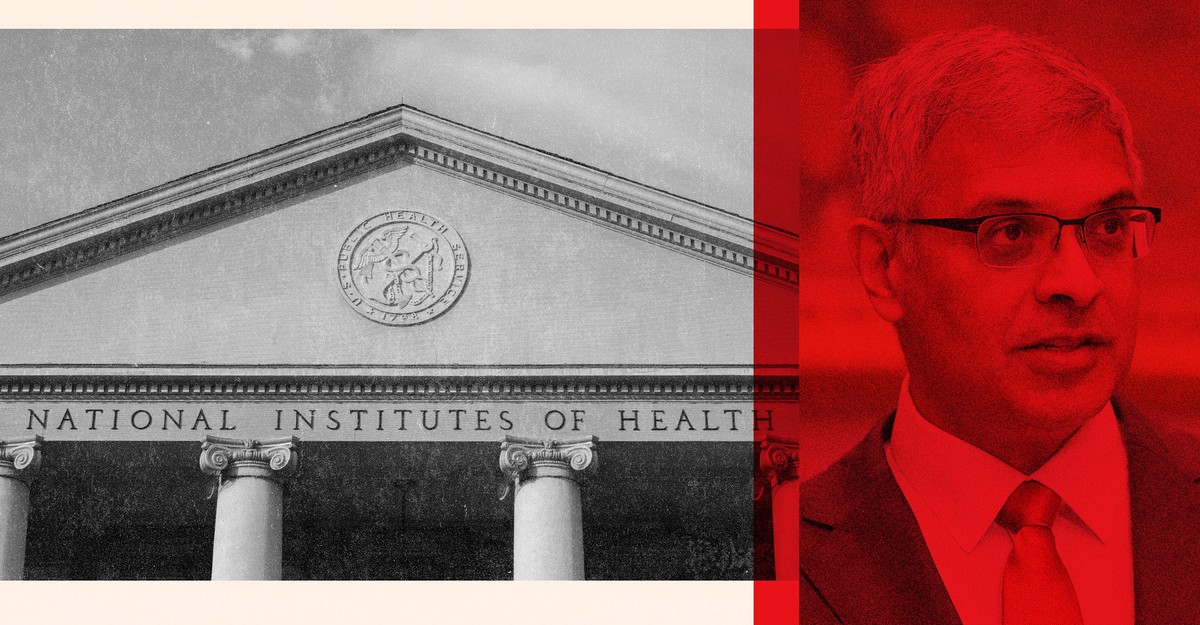
At the end of January, Washington, DC, saw an extremely unusual event. The MAHA Institute, which was set up to advocate for some of the most profoundly unscientific ideas of our time, hosted leaders of the best-funded scientific organization on the planet, the National Institutes of Health. Instead of a hostile reception, however, Jay Bhattacharya, the head of the NIH, was greeted as a hero by the audience, receiving a partial standing ovation when he rose to speak.
US politics
Higher education
fromInside Higher Ed | Higher Education News, Events and Jobs
3 months agoCongress, Courts Stymie Trump's Effort to Cap Research Costs
Congress blocked federal agencies from altering university indirect-cost reimbursement rates for fiscal year 2026, preserving current rates through Sept. 30.


#research-funding



US politics
fromInside Higher Ed | Higher Education News, Events and Jobs
10 months agoUniversity Leaders Weigh Changes to Research Funding Model
Universities are proposing a new model for research funding in response to NIH's push for budget cuts.
The Joint Associations Group aims to gather feedback before finalizing a funding proposal for Congress.




fromwww.npr.org
5 months agoShe criticized President Trump during the shutdown. Now she's been put on leave
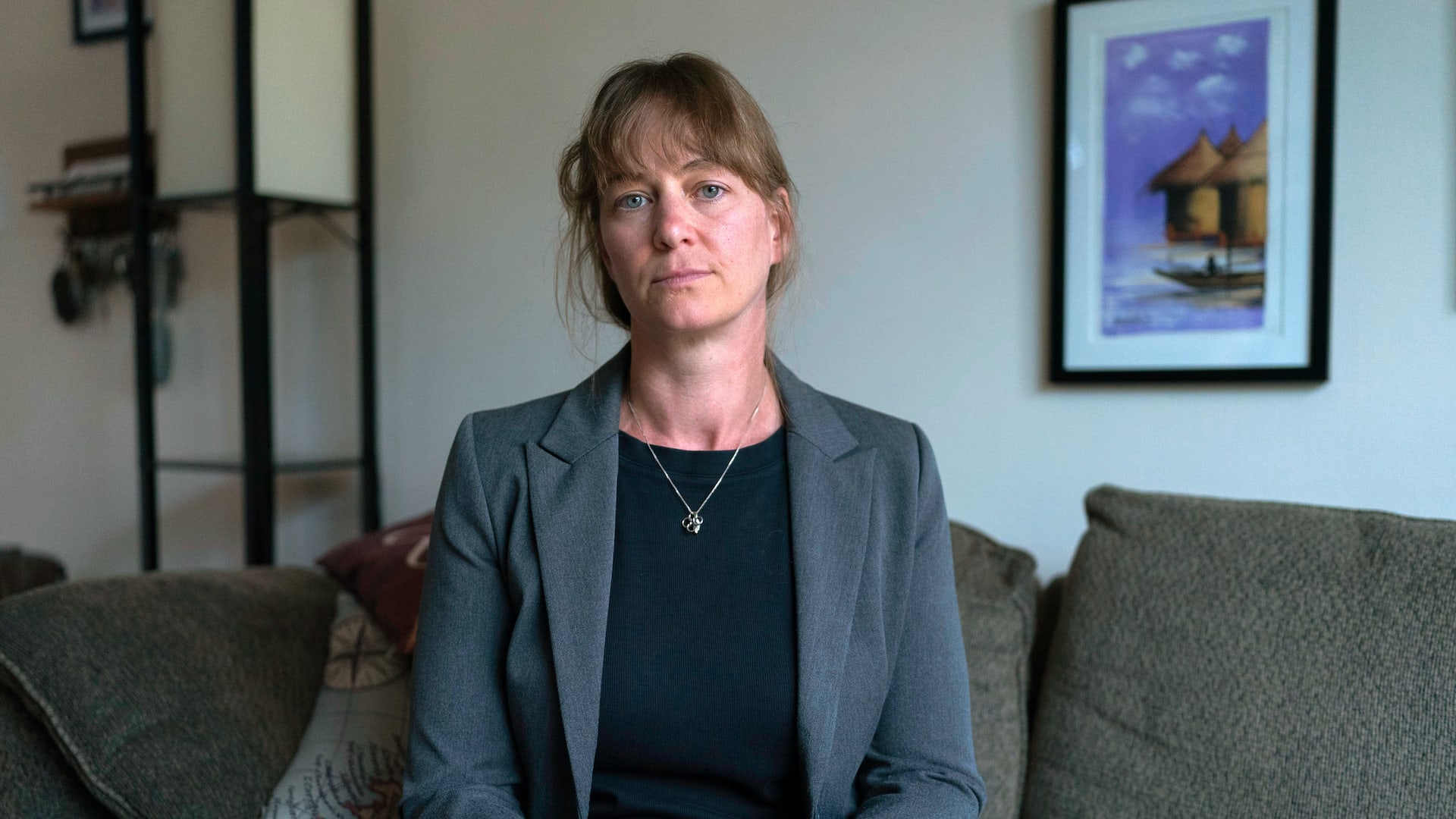
"I was not given a reason for being put on leave, but I strongly suspect it is because I have been speaking up in my personal capacity about the harms that I have been witnessing inside the National Institutes of Health," she said in a video posted to TikTok.
US politics


Science
fromInside Higher Ed | Higher Education News, Events and Jobs
7 months agoNIH Fires 4 Directors After Putting Them on Leave
Four NIH institute directors and a deputy were fired after administrative leave amid allegations of politically motivated targeting and a crackdown on diversity, equity, and inclusion.
fromThe Atlantic
7 months agoThe HHS Officials Being Paid Six Figures to Do Nothing
When she succeeded Anthony Fauci as the director of the National Institute of Allergy and Infectious Diseases, Jeanne Marrazzo felt that she'd landed "probably the most important infectious-disease job in the world," she told me. After decades of working in academia, she now had the power to influence, nationwide, the science she knew best-overseeing 4,500 employees at a $6.5 billion institute, the second largest by budget at the National Institutes of Health, the world's largest public funder of biomedical research.
US politics
fromInside Higher Ed | Higher Education News, Events and Jobs
8 months agoFormer NIH Leaders Allege Retaliation for Whistleblowing
Jeanne Marrazzo, former director of the National Institute of Allergy and Infectious Diseases, and Kathleen Neuzil, former director of the NIH's Fogarty International Center and former associate director for international research, filed complaints Thursday with the U.S. Office of Special Counsel, seeking reinstatement. They allege they faced retaliation for whistleblowing and other protected activity. Marrazzo "objected to the Administration's hostility towards vaccines and its abrupt cancellation of grants and clinical trials for political reasons," according to her complaint.
Public health
fromInside Higher Ed | Higher Education News, Events and Jobs
8 months agoHHS Lawyer: NIH Shouldn't Re-Terminate Grants
The National Institutes of Health shouldn't cut off funding to 900 grants that the agency previously canceled and then had to restore thanks to a June court order, lawyers for the Department of Health and Human Services said last week. The Supreme Court recently overturned that court order, paving the way for NIH to once again cut off funding to the grants. However, the justices also kept in place a lower court order that found that NIH's directives for the grant terminations were unlawful.
Public health




fromInside Higher Ed | Higher Education News, Events and Jobs
8 months agoNIH Director Orders Review of All Current, Planned Research
NIH director Jay Bhattacharya ordered an immediate individualized review of all current and planned research activities to address concerns about unallocated grant money by the fiscal year-end.
Public health
fromArs Technica
8 months agoAnti-vaccine RFK Jr. creates vaccine panel of anti-vaccine group's dreams
NIH is proud to lead this effort to advance vaccine safety and support innovation that protects children without compromise. By reinstating this Task Force, we are reaffirming our commitment to rigorous science, continuous improvement, and the trust of American families.
Public health


Non-profit organizations
fromInside Higher Ed | Higher Education News, Events and Jobs
11 months agoJudge Rules to Keep Lawsuit Challenging NIH Cuts Alive
Lawsuit against NIH grant cuts proceeds after judge rules majority of claims valid.
The ruling addresses concerns over transparency and justification of funding decisions.
Non-profit organizations
fromwww.theguardian.com
1 year agoMy rare disease was getting closer to a cure. RFK Jr could undermine that | Jameson Rich
Kennedy's control of the health department threatens medical research progress by cutting funding and projects.
Nearly 800 active medical research projects have been terminated under the current administration.
The Trump administration's policies may jeopardize future medical advancements and research funding.
[ Load more ]