"When a new presidential administration comes in, it is responsible for filling around 4,000 jobs sprinkled across the federal government's vast bureaucracy. These political appointees help carry out the president's agenda, and, at least in theory, make government agencies responsive to elected officials. Some of these roles-the secretary of state, for example-are well-known. Others, such as the deputy assistant secretary for textiles, consumer goods, materials, critical minerals & metals industry & analysis, are more obscure."
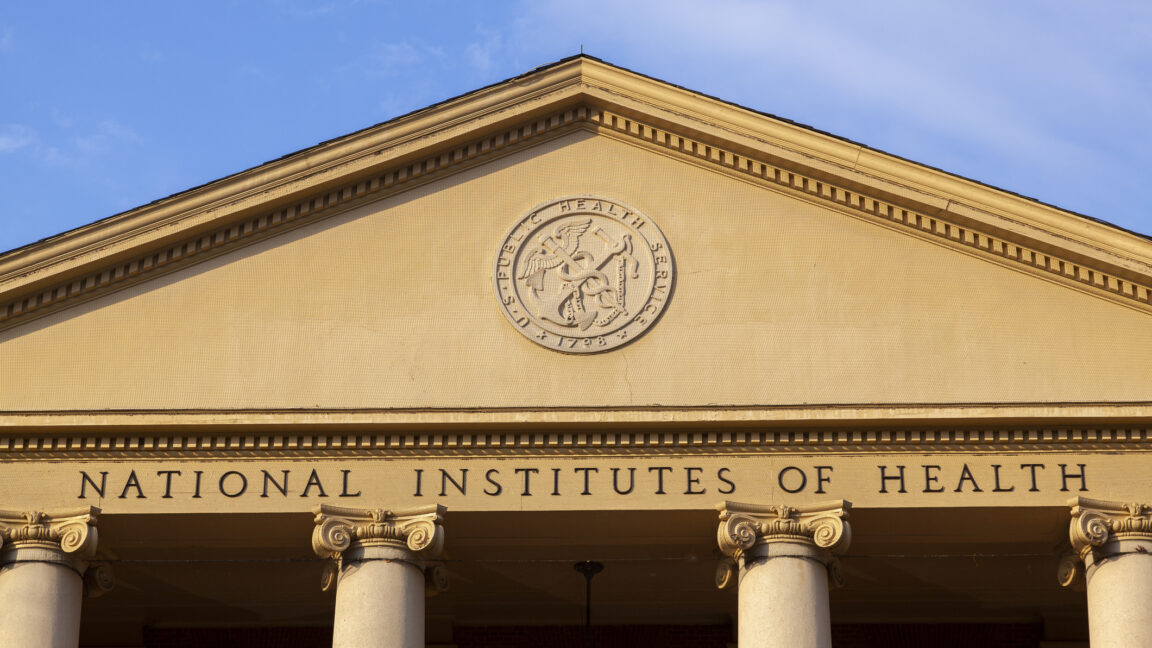
"Historically, science agencies like NASA or the National Institutes of Health tend to have fewer political appointees than many other parts of the federal government. Sometimes, very senior roles-with authority over billions of dollars of spending, and the power to shape entire fields of research-are filled without any direct input from the White House or Congress. The arrangement reflects a long-running argument that scientists should oversee the work of funding and conducting research with very little interference from political leaders."
"Since the early 2000s, according to federal employment records, NIH, the country's premier biomedical research agency, has usually had just a few political appointees within its workforce. (As of November 2025, that workforce numbered around 17,500 people, after significant cuts.) Staff scientists and external experts played a key role in selecting the directors of the 27 institutes and centers that make up NIH. That left the selection of people for powerful positions largely outside of direct White House oversight."
New presidential administrations appoint about 4,000 political appointees across the federal bureaucracy, ranging from high-profile secretaries to obscure deputy assistant secretaries. Science agencies such as NASA and the National Institutes of Health have historically had comparatively few political appointees. Very senior roles with control over large budgets and research agendas have often been filled without direct White House or congressional input to preserve scientific autonomy. Since the early 2000s NIH has usually had only a few political appointees; its workforce numbered around 17,500 as of November 2025 after cuts. Staff scientists and external experts historically selected the 27 institute and center directors, keeping those selections largely outside direct White House oversight. Recent arrivals of political appointees and apparent hiring-practice changes have called that status quo into question.
Read at Ars Technica
Unable to calculate read time
Collection
[
|
...
]