Psychology
fromPsychology Today
4 days ago5 Mental Health Benefits of a New Interest
New interests create rapid growth and beginner vulnerability that build tolerance, patience, and openness without requiring relentless self-optimization.
AI-generated writing is criticized for being trained on stolen work, contributing to environmental harm, and being forced upon users by tech companies, leading to a decline in genuine learning.
When that new knowledge arrives, we inevitably attempt to integrate it into our pre-existing framework, and that isn't always a smooth process. Sometimes, our foundation is riddled with misconceptions, misunderstandings, or prior teaching that were outright wrong; we have to correct and 'unlearn' those ways of thinking before we can progress.
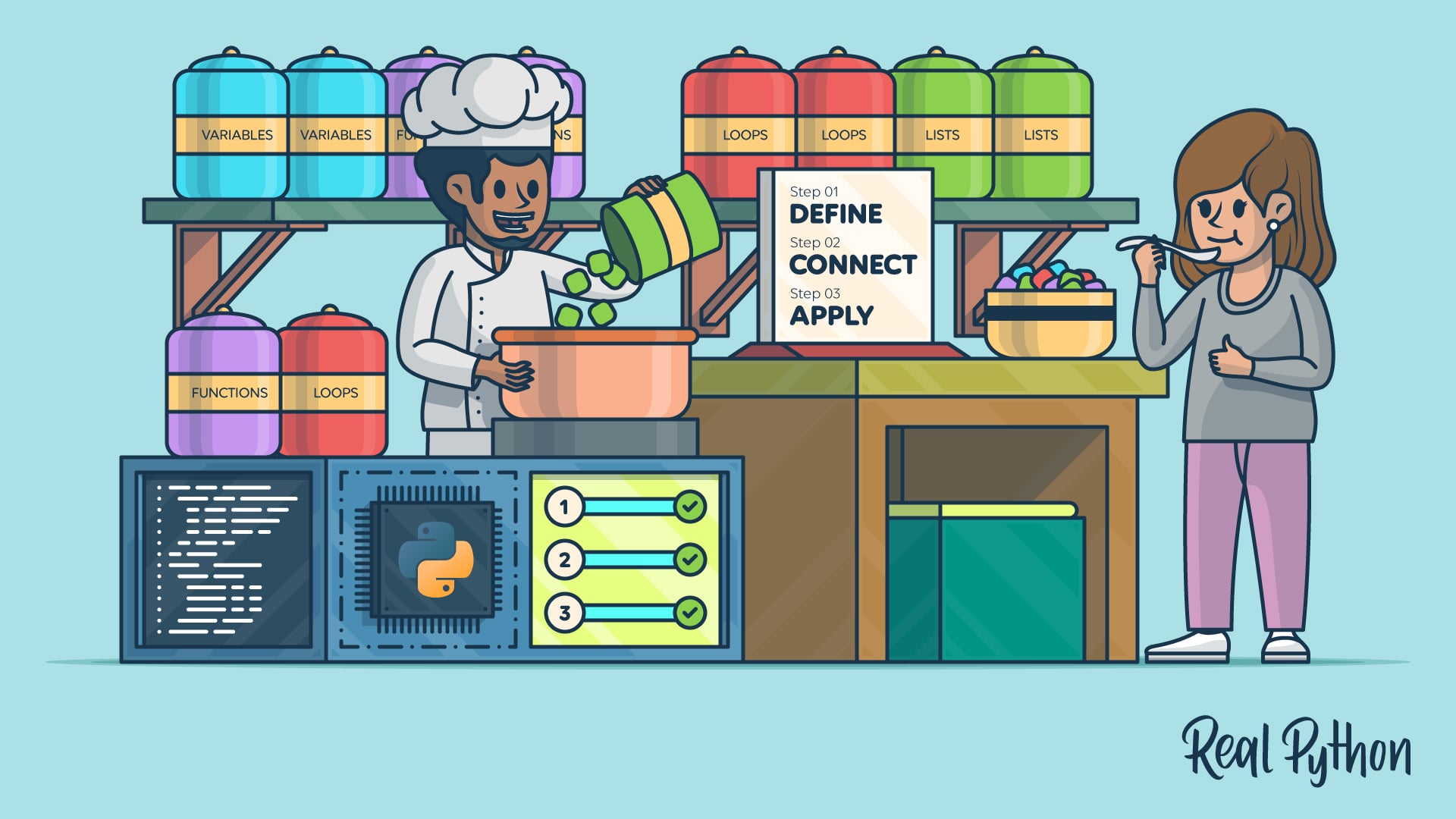
What lies between these extremes of too easy and too hard is the sweet spot occupied by a distro called Nutyx. Nutyx is a Linux-from-scratch distribution (it's not based on any other distro) that -- according to the Nutyx website -- is "an excellent operating system for people who want to commit themselves to developing their skills further and learning how a Linux system is put together."
Ability is thought of as being an internal stable factor over which a person may not think they have any control. However, one should consider that the ability to control one's own learning may become available to an individual if they actively engage in their learning. This active learning engagement has the potential to change neurological pathways, leading to changes in cognitive and skill-acquisition capacities, as well as advances in knowledge, potential, insight, and creativity(Arrowsmith-Young, 2012; Coyle, 2009; Doidge, 2010, 2015).
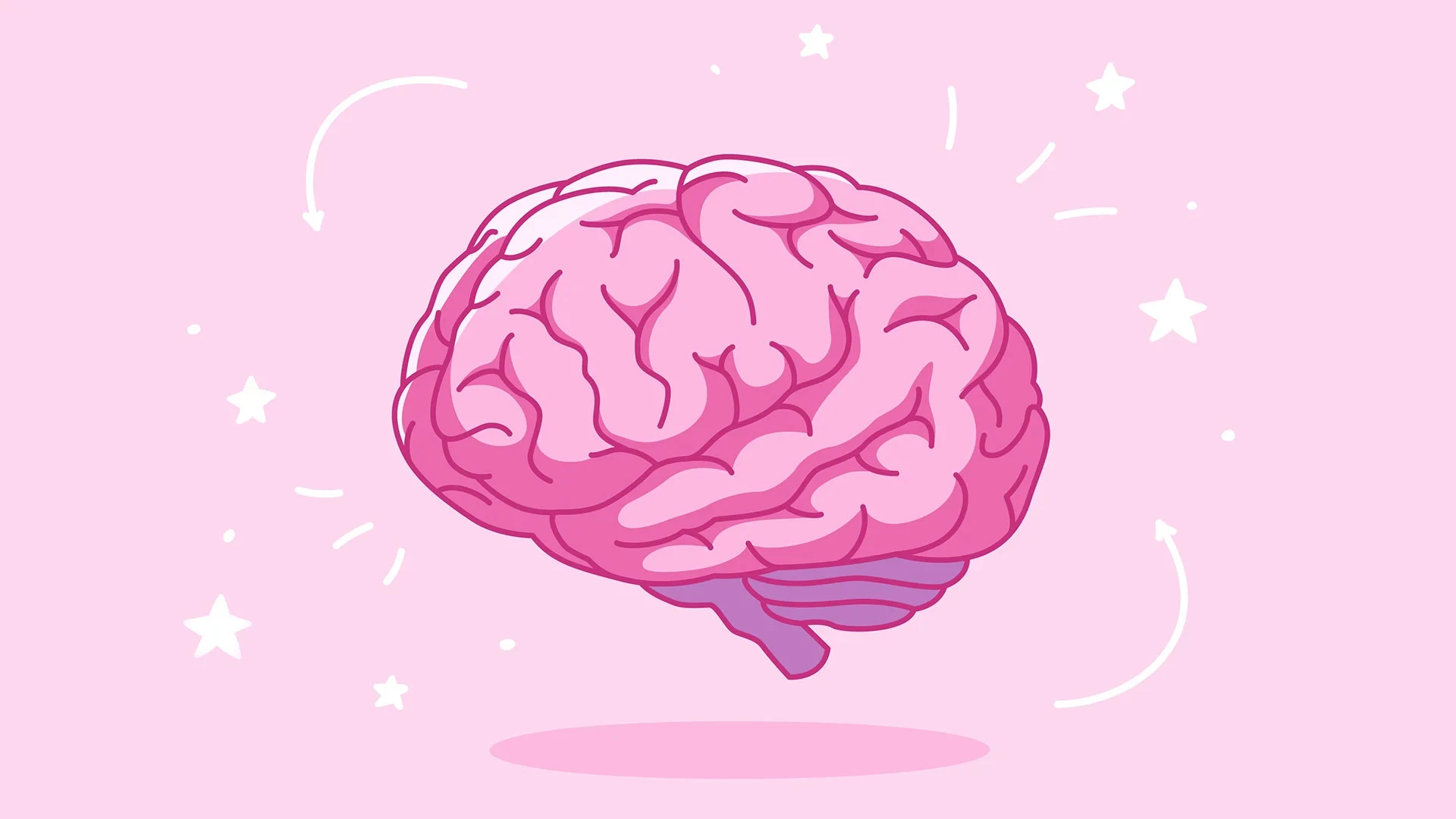
It might come as a surprise to learn that the brain responds to training in much the same way as our muscles, even though most of us never think about it that way. Clear thinking, focus, creativity, and good judgment are built through challenge, when the brain is asked to stretch beyond routine rather than run on autopilot. That slight mental discomfort is often the sign that the brain is actually being trained, a lot like that good workout burn in your muscles.
How many times have you heard one of your peers talk about impostor syndrome? This topic, describing the persistent belief that one's achievements are undeserved, is frequently heard in films, TV, and even among your friends. But while it's natural to second-guess yourself sometimes, experiencing impostor thoughts can have disruptive effects on your long-term goals. Science says it can erode your engagement, learning outcomes, and professional growth efforts-not to mention your well-being.
Luckily, a small community ski area called East Hill was just five minutes from my house. Nestled beside an elementary school of the same name, it had about 100 feet of vertical drop, a rope tow without handles, and a perpetually idle T-bar. The hill was open nights and weekends and staffed entirely by volunteers from the Camillus Winter Sports Association.
The truth? Your brain doesn't learn best by going in straight lines. It learns more when it has to switch contexts and jump tracks. That's where the interleaving method comes in. Instead of cramming a single subject until it's dull, you mix topics-like hitting shuffle instead of repeat. It feels harder in the moment, but it's exactly that mental juggling that cements knowledge for the long haul.
The systemic set of processes that enables value-sensitive acquisition, encoding, evaluation, storage, retrieval, decoding and transmission of information. All learning systems are cognitive systems. All living systems and artificial learning-systems are therefore cognitive systems. In other words, cognition is the capacity to learn from experience in a value-sensitive way-discriminating what is beneficial or harmful, and with behavior shaped accordingly.
"Nothing...can sharpen the historian's mind like defeat." - Eric Hobsbawm, reflecting the value of learning from defeats and how many intellectuals have enriched our understanding from their own failures.
Innovation requires continual learning and clarity in processes. Without a clear understanding of how various learning activities connect, teams may face confusion that hinders effective innovation.
The study revealed that neurons assigned to a memory trace reorganized their connections through an atypical type of connection called a multi-synaptic bouton, which may enable cellular flexibility.