#interdisciplinary-mfa
#interdisciplinary-mfa
[ follow ]
#creativity #art #community-engagement #architecture #social-justice #higher-education #career-development #mfa

fromArtnet News
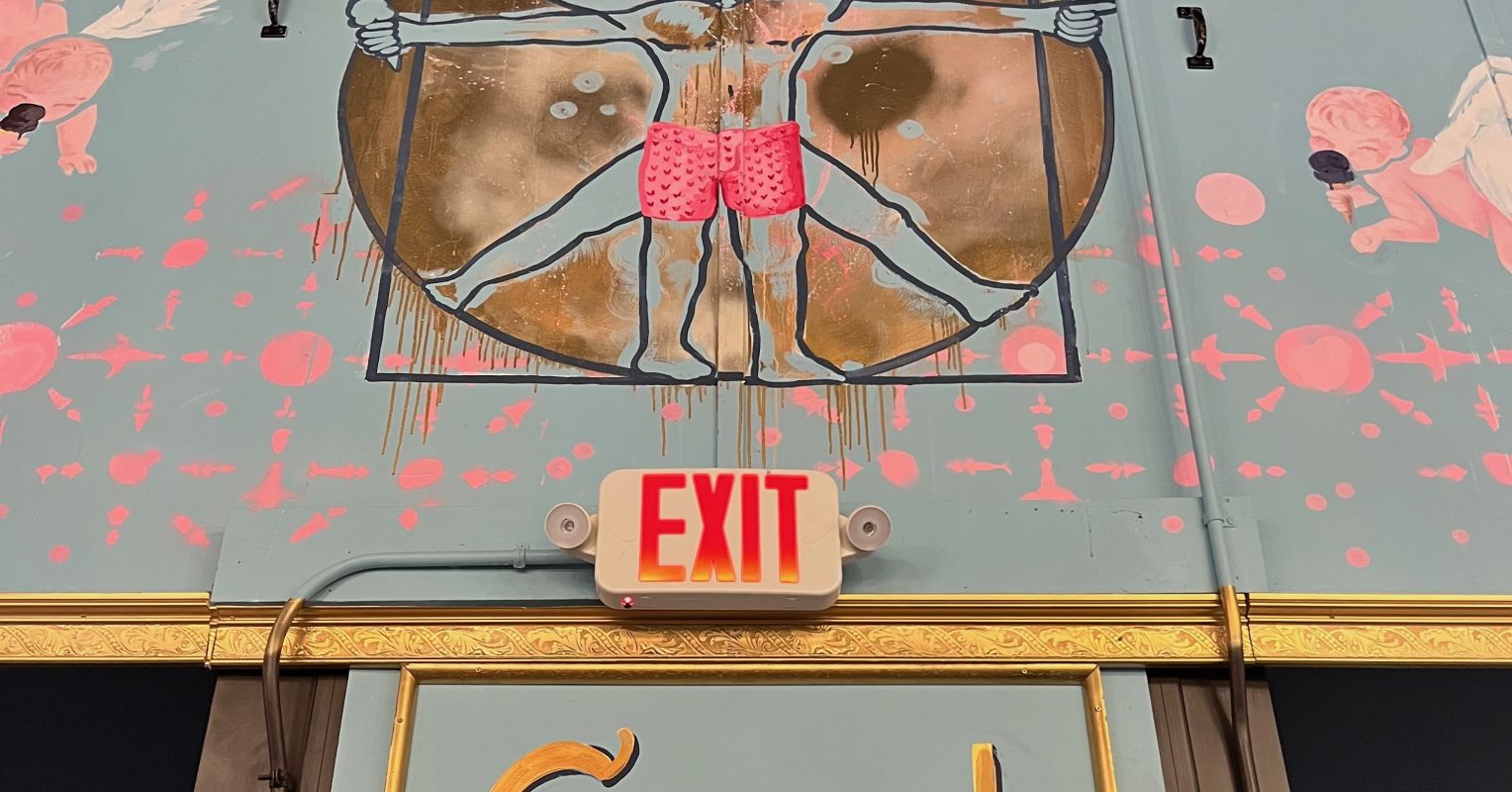
6 days agoPainting Has Entered Its Performance Era | Artnet News
Much of Instagram's video content is organized around transformation-the virtual magic of the before-and-after and clips that show cause and effect. A person makes pasta from scratch in 20 seconds via edits that compress time-intensive labor.
Arts

Portland
fromOregon ArtsWatch * Arts & Culture News
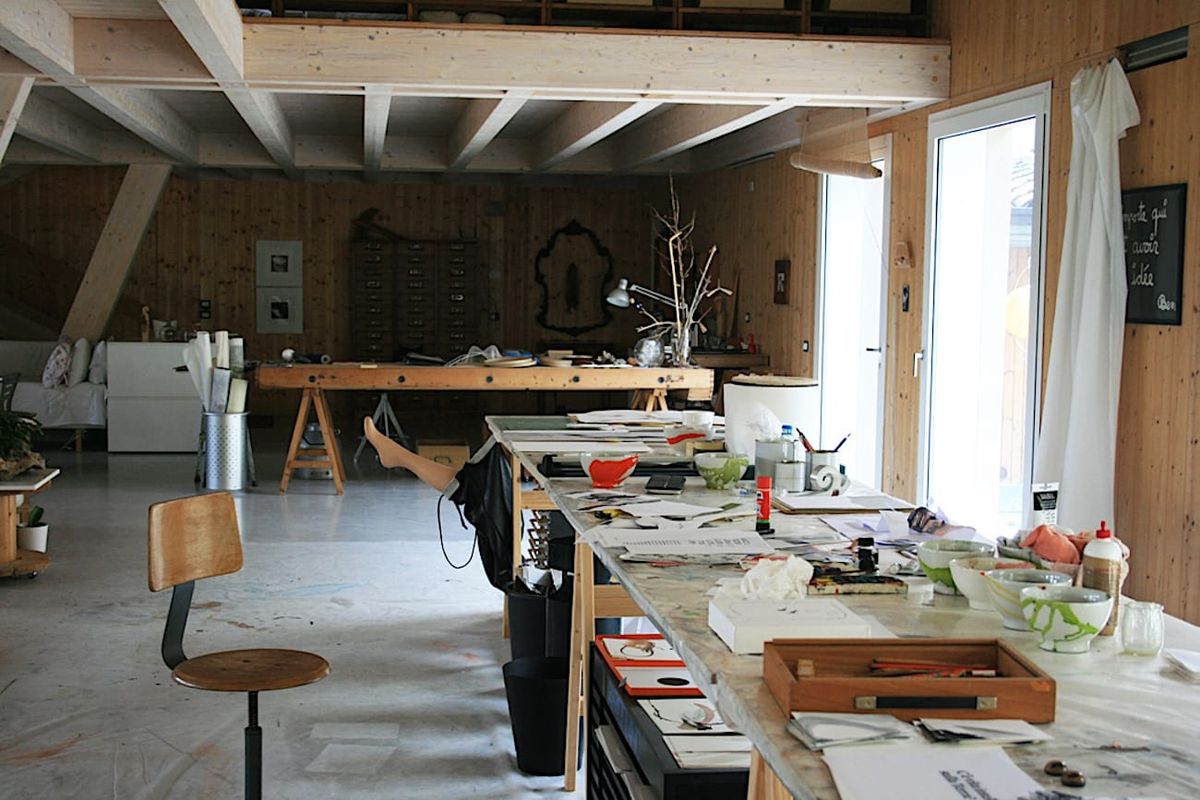
1 month agoCraft and continuity at Catlin Gabel Community Arts * Oregon ArtsWatch
Portland's craft institutions have closed, but their legacy continues through community studios and programs that maintain craft-centered education and creative opportunities.
Philosophy
fromWarpweftandway
1 month agoTwo Collaborative Learning () Events This Week
The 四海为学 Collaborative Learning Project hosts two free public events: Louise Edwards discussing childhood and gender in China on March 19, and Peter Hershock exploring AI and agency from a Buddhist perspective on March 20.
fromArchDaily
1 month agoArchiving the Technosphere: How Museum Architecture Mediates Human-Made Systems
The contemporary technology museum has emerged as a performative participant in the systems it seeks to document. The architecture of these institutions has become increasingly fluid and bold, often mirroring the velocity and complexity of the systems it houses. They operate as mediators between the human, the ecological, and the technological realms, transforming from encyclopedic warehouses into active educational engines.
Science
fromItsnicethat
1 month agoHow does a creative residency impact your practice? Quite a lot, according to these artists
Her practice uses clay to bring people together with the "therapeutic aspects of tactile making". She first came to ceramics during university, where access to the department allowed her to fall in love with the practice. And so, Ciara is deeply cognisant of the importance of supporting those who struggle to access a ceramics studio due to various social factors.
Online Community Development
Miscellaneous
fromThe Art Newspaper - International art news and events
1 month agoComment | Art is more than its original context
Understanding art's original context enriches appreciation, yet modern viewing conditions and lost contexts require adapting how we engage with artworks across different settings and time periods.
fromInside Higher Ed | Higher Education News, Events and Jobs
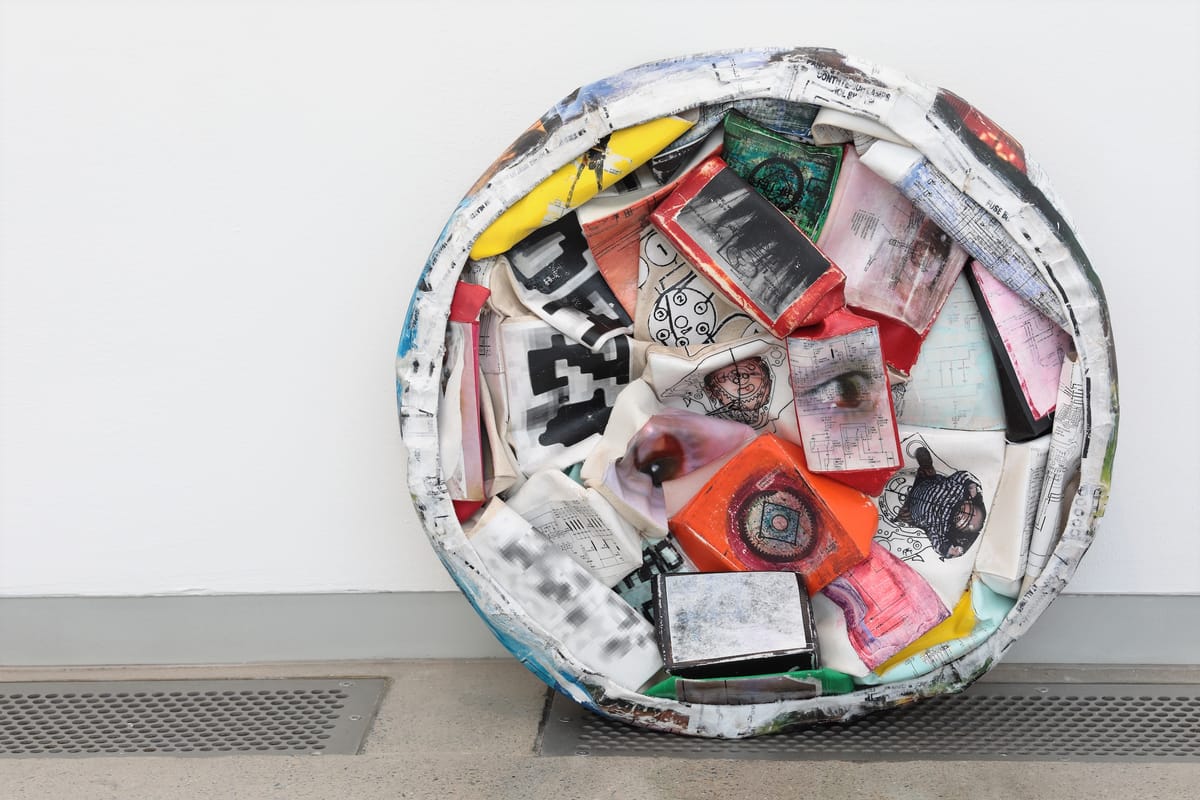
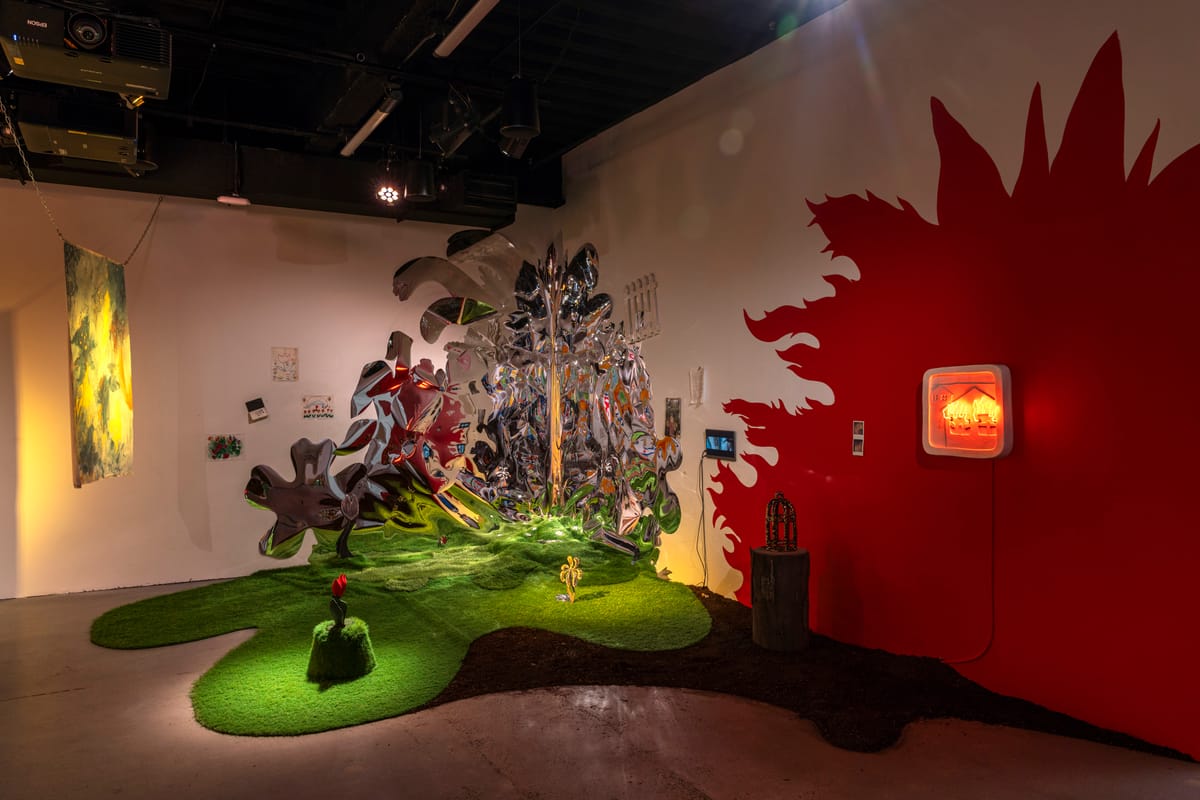
2 months agoWhat if Colleges Experimented at the Edges?
In her book Hope in the Dark, writer and activist Rebecca Solnit observes that transformation starts in the margins. The book explores social movements throughout history, but the notion that mainstream beliefs grow from fringe ideas once thought to be outrageous is familiar to anyone who has watched change happen. Hope, she says, lives in the dark around the edges.
Higher education
fromArchDaily
2 months agoA Schematic Design Laboratory for Architectural Exploration
For many architects, schematic design is defined by a familiar tension. It is the phase of open-ended exploration-where multiple ideas are tested, challenged, and refined for clients to define a project's direction. In essence, it's where the design magic happens. The challenge is rarely a lack of ideas, but the effort required to test and evaluate those ideas properly under time-, resource-, and budget constraints.
Design
fromCornell Chronicle
2 months agoAwards and honors: Newcomb prize, arts fellows and more | Cornell Chronicle
Cornell psychology researchers Gordon Pennycook and have won the 2026 Newcomb Cleveland Prize from the American Association for the Advancement of Science for their 2024 article about using AI to combat conspiracy theories. The association's oldest award, the prize is given to the authors of an outstanding research article published in the journal Science. " Durably Reducing Conspiracy Beliefs Through Dialogues With AI ," first published Sept. 13, 2024 in , showed that conversations with large language models can effectively reduce individuals' belief in conspiracy theories - and that these reductions last for at least two months.
Science
Design
fromItsnicethat
2 months agoAdobe's Creative Collective assembles multidisciplinary experts to analyse and advise on the industry's big changes
The Creative Collective convenes creatives to explore AI, provide practical support, events, and published digests that promote responsible and expressive creative practice.
fromInsideHook
1 month agoAre the Humanities Poised for an Academic Comeback?
Many colleges and universities have made cuts in these programs, often bolstering STEM programs at their expense. It's a situation that has sparked no small amount of impassioned editorials. The headline of a recent article at The Guardian by Alice Speri referenced an 'existential crisis at U.S. universities,' and Speri's reporting features numerous examples of undergraduate and graduate programs facing cuts or outright elimination.
Higher education
fromArchitectural Digest
6 years ago17 Interior Design Schools Worth Applying To
To really work in the high end of the industry, formal schooling is an absolute necessity. It isn't just about whether you can say, oh, that floral looks good with that stripe. Rather, it's about mastering foundational design principals and developing fluency with the rendering and software tools required of day-to-day work. It's about designing to satisfy a question.
Education
Design
fromItsnicethat
1 month agoVisual communication that challenges convention: Phantasia on how graphic design can forge true collaboration
Phantasia, a Barcelona-based design studio founded in 2021, prioritizes meaningful projects that serve communities through intentional collaboration, diversity, and accessible communication.
fromHyperallergic
1 month agoEmbracing Friction in the Art World
On Franklin Street in Brooklyn's Greenpoint neighborhood, one non-commercial gallery fosters 'a small, stubbornly human space for friction.' Friction—the ubiquitous buzzword that captures the simultaneous delight and discomfort of doing things the slow way—is at the heart of artists Pap Souleye Fall and Char Jeré's current show at Subtitled NYC. It also reflects the overall spirit of this little exhibition space and of a burgeoning movement to reject our culture of optimization in favor of a bumpier, more intimate, less alienating experience.
Arts
Education
fromArchDaily
2 months agoBeyond the Classroom: Six Unbuilt Projects Rethinking Educational Architecture
Educational architecture imagines adaptive, landscape-integrated learning environments that respond to changing social, ecological, and pedagogical values across diverse unbuilt proposals.
Arts
fromHyperallergic
1 month agoMerging Craft Practices and New Media at the Museum of Craft and Design
Video Craft exhibition explores how video, film, and early moving image technologies share formal and technical properties with traditional craft media like ceramics, textiles, and glass through encoding, looping, and sampling.
fromArchDaily
1 month agoThe Machine in the Age of Collective Practice
Every architectural epoch has been defined by its instruments. The compass, the drawing board, the camera, and the computer have each altered how architects think and produce. Yet the current moment feels qualitatively different.
Design
fromHyperallergic
1 month agoIDSVA Extends PhD Program to BA and BFA Applicants
IDSVA's pioneering curriculum - fusing interactive online education with intensive residencies- allows working art professionals to pursue rigorous advanced scholarship without having to interrupt or abandon their teaching careers, art practice, or other professional responsibilities. You don't have to choose between your current work and your intellectual growth - our program is designed for both.
Arts
fromHyperallergic
2 months agoInterdisciplinary Graduate Programs at SFU's School for the Contemporary Arts
The School for the Contemporary Arts at Simon Fraser University (SFU) in Vancouver takes a uniquely interdisciplinary approach to studies in the arts, offering an MFA in Interdisciplinary Arts, an MA in Contemporary Arts, and a PhD in Contemporary Arts. The internationally-recognized artists and scholars that make up our faculty work at the generative fringes of Dance, Film, Music & Sound, Theatre & Performance, Performance Production & Design, and Visual Art, with a focus on interdisciplinary and multidisciplinary practices.
Arts
fromHyperallergic
3 months agoFor Which It Stands...
Featuring more than 70 works by a diverse array of artists, including June Clark, Jasper Johns, Faith Ringgold, Robert Rauschenberg, Shepard Fairey, David Hammons, Julie Mehretu, Dread Scott, and Hank Willis Thomas, For Which It Stands... challenges viewers to consider who the American flag truly represents, and whether justice is available to all. On view in Fairfield, Connecticut, from January 23 through July 25, the exhibition opens with Childe Hassam's "Italian Day, May 1918" - lent by Art Bridges - and concludes with a textile sculpture newly commissioned from Maria de Los Angeles. Emma Amos, Eric Fischl, Jane Hammond, and Glenn Ligon are among the many other artists whose work is represented.
Arts
Arts
fromdesignyoutrust.com
2 months agoArtist Paints Smoky Lounges And Quiet Strangers, Letting Halffinished Details Turn Viewers Into Coauthors Of The Scene
A wide-ranging visual roundup showcases creative reinterpretations, vintage design, activist art, photography, illustration, and humorous cultural works spanning contemporary and historical styles.
fromHyperallergic
2 months agoThe Biennale Certificate in Philosophy and Art
designed by the Institute for Doctoral Studies in the Visual Arts (IDSVA) and philosopher Giovanbattista Tusa (Visiting Faculty, Independent Study and Dissertation director) for curators, artists, researchers, and cultural practitioners seeking to engage with the living context of the Venice Biennale. Over four days, participants will move through a sequence of philosophical orientations - Rooting, Growing, Branching, and Cultivating Futures- that frame art as a mode of world-disclosure and situated intervention.
Arts
Arts
fromThe Art Newspaper - International art news and events
2 months agoLondon's Delfina Foundation launch residencies for Latin American and Caribbean artists
Jorge and Darlene Pérez are funding four fully funded Delfina Foundation residencies in London prioritizing Latin American, Caribbean and related US diaspora artists.
fromHyperallergic
1 month agoOpportunities in March 2026
Hyperallergic's monthly Opportunities Listings provide a resource to artists and creatives looking for funding and community support to further their work. Residencies, Workshops, & Fellowships, Center for Craft - 2026 Craft Archive Fellowship Four $5,000 awards will be offered to fellows conducting research on underrepresented craft histories.
Arts
[ Load more ]