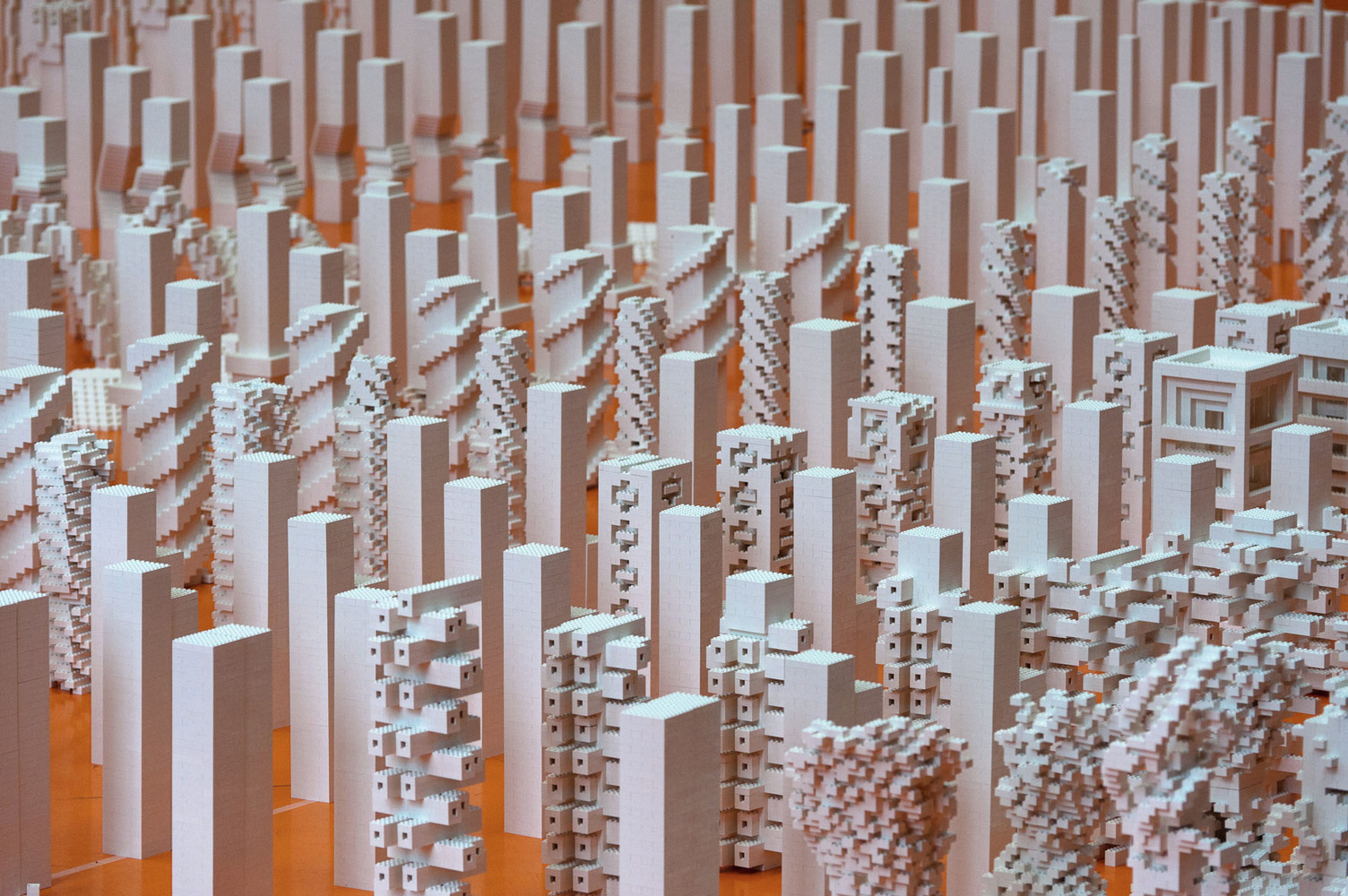
"Every architectural epoch has been defined by its instruments. The compass, the drawing board, the camera, and the computer have each altered how architects think and produce. Yet the current moment feels qualitatively different."
"As artificial intelligence and generative systems enter daily workflows, tools cease to be passive extensions of the architect's hand and begin to operate as semi-autonomous agents. They propose, optimize, and simulate, producing outcomes that are, at times, beyond the author's full anticipation."
Architecture has historically been shaped by instrumental innovations—from the compass to the computer—each fundamentally altering how architects conceptualize and execute their work. The current technological moment represents a qualitative shift with the integration of artificial intelligence and generative systems into architectural practice. Unlike previous tools that functioned as passive extensions of the architect's intent, AI-driven systems operate as semi-autonomous agents capable of proposing solutions, optimizing designs, and simulating outcomes that often exceed the architect's original conception or full understanding. This transformation raises critical questions about authorship, creative agency, and the evolving relationship between human designers and computational systems.
#artificial-intelligence-in-architecture #generative-design-systems #architectural-tools-and-technology #design-authorship #semi-autonomous-agents
Read at ArchDaily
Unable to calculate read time
Collection
[
|
...
]