#federal-funding
#federal-funding
[ follow ]
#trump-administration #infrastructure #gateway-tunnel #dhs-shutdown #affordable-housing #first-amendment
Right-wing politics
fromAdvocate.com
1 week agoHouse Republicans advance education bill restricting discussions on racism & gender
The CHARLIE Act would restrict federally funded civics and history education by banning funding for “gender ideology” and “discriminatory equity ideology,” using Trump executive-order definitions.
#transgender-rights


LGBT
fromLGBTQ Nation
1 week agoHouse passes "Don't Say Trans" bill that would force teachers to out trans students nationwide - LGBTQ Nation
The bill would require schools to obtain parental permission before using correct names and pronouns for transgender students.
The bill would prohibit schools from acknowledging or teaching about transgender people and “gender ideology.”
Failure to comply could result in loss of federal funding.
fromwww.npr.org
1 week agoSusan Collins brings federal dollars to Maine. She's hoping that's worth it to voters
The outcome of a pivotal Senate race in Maine could hinge on whether voters value Republican Sen. Susan Collins' clout and ability to secure federal dollars over Democratic insurgent Graham Platner's call to upend a political system he says is rigged against working-class Americans. Platner's call for a political revolution has been a centerpiece of a barnstorming campaign that's already pushed his Democratic rival, Gov. Janet Mills, out of the race.
US news
#gender-affirming-care
LGBT
fromPinkNews | Latest lesbian, gay, bi and trans news | LGBTQ+ news
1 week agoCourt suggests hospital should sue Trump over trans care threat
Children's Hospital Colorado must resume gender-affirming care for transgender youth, with the court rejecting speculative federal-funding fears and non-law claims.
US politics
fromwww.mediaite.com
1 week agoJeanine Pirro Stumped When Reporter Asks If Taxpayer Dollars Should Go Toward Trump's Weaponization' Fund
A DOJ Anti-Weaponization Fund will pay claimants with $1.776 billion from the judgment fund, while officials and lawmakers dispute whether it rewards Capitol rioters.
fromwww.npr.org
1 week agoPrayer festival calls for more religion in politics, not less
A prayer festival on the National Mall in Washington, DC was partially organized and funded by the federal government. Its evangelical messaging called for more religion in politics not less. Critics are concerned about an erosion of the wall between church and state.
Washington DC
#medicaid
Healthcare
fromLos Angeles Times
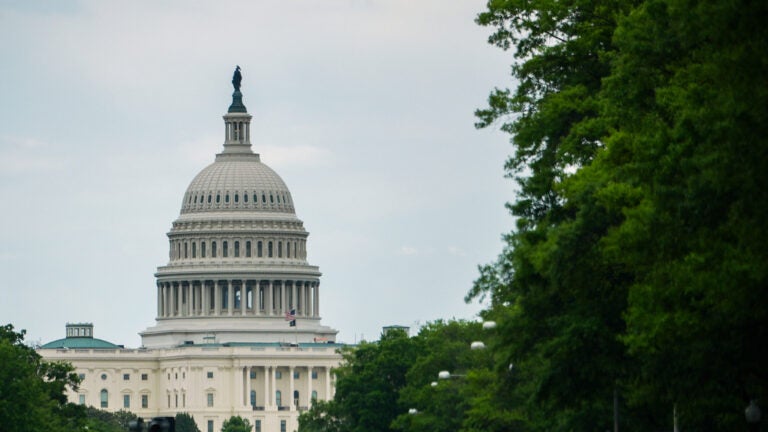
2 weeks agoVance says $1.3 billion in Medicaid payments to California will be deferred over fraud concerns
Trump administration defers $1.3 billion in Medicaid reimbursements to California over alleged fraud and threatens federal funding cuts for states that fail to prosecute Medicaid fraud aggressively.
Healthcare
fromABC7 San Francisco
2 weeks agoOfficials say $1.3 billion in Medicaid money to CA will be deferred over suspicions of fraud
The administration announced anti-fraud actions in Medicaid and Medicare, including a $1.3 billion California reimbursement deferral, enrollment freezes, and funding threats for states.
Alternative transportation
fromStreetsblog USA
2 weeks agoCongress Gave States Enough Money to Fix Every Road in America; Some States Set It On Fire Instead - Streetsblog USA
States used large federal transportation funds to expand highways instead of repairing poor-condition roads, worsening waste and leaving infrastructure under-maintained.
Public health
fromAdvocate.com
2 weeks agoJack Schlossberg wants free PrEP for all - and for his cousin to stop undermining HIV care (exclusive)
A congressional candidate proposes eliminating out-of-pocket costs for HIV prevention drugs through insurer mandates and federal support, accusing HHS leadership of rolling back prevention funding.
fromwww.npr.org
3 weeks agoThese families help researchers find Alzheimer's treatments. Their network is at risk
It's not for us. It's for my sister's children and their children, so that they won't have the same 'nothing' to choose from. Ward is a member of the Dominantly Inherited Alzheimer Network (DIAN), a group of more than 200 families in 18 countries who carry gene mutations that cause symptoms to appear in middle age, or even earlier.
Medicine
fromwww.berkeleyside.org
3 weeks agoBerkeley, Albany split $500,000 in federal funding for fire training
U.S. Rep. Lateefah Simon announced a $500,000 federal allocation for firefighters in Berkeley and several nearby communities to train together. Firefighters from Albany, Berkeley, El Cerrito, Kensington, and Richmond have formed a consortium to share facilities and enhance training efforts.
East Bay real estate
fromInside Higher Ed | Higher Education News, Events and Jobs
4 weeks agoResearch HBCUs Launch Association to Foster Collaboration
"Today is not just an announcement, but a declaration that HBCUs are not only contributors to research and innovation, but also leaders shaping a new era of discovery, reimagining both the solutions and the systems that drive research," Wayne A. I. Frederick stated.
Higher education
fromInside Higher Ed | Higher Education News, Events and Jobs
1 month agoWhite House Ousts Entire National Science Board
The Presidential Personnel Office sent members of the board a message saying, 'On behalf of President Donald J. Trump, I'm writing to inform you that your position as a member of the National Science Board is terminated, effective immediately.'
Non-profit organizations
fromRockville Centre, NY Patch
1 month agoSee Which LI Med School Was Named Among The Nation's Best In U.S. News & World Report
"We are incredibly proud that our dedication to impactful research has been recognized by U.S. News & World Report, amidst federal funding challenges," Dr. David Battinelli stated. "This recognition is a testament to our commitment to pioneering discovery."
Education
Higher education
fromInside Higher Ed | Higher Education News, Events and Jobs
1 month agoHigher Ed Denounces GSA's Proposed Federal Funding Strings
The Trump administration's proposed pledge for colleges on diversity and inclusion is seen as vague and burdensome, risking federal funding for non-compliance.



fromwww.amny.com
2 months agoMTA committee advances next Second Avenue Subway Phase 2 contract, amid lawsuit to release federal funds | amNewYork
The $1.1 billion accord is for excavating a new 106th Street station box and structures connecting it to existing tunnels to the north and south.
New York City
#dhs-shutdown
US politics
fromAxios
2 months ago"We're making people hurt": Democrats adopt new tactic to win DHS shutdown fight
Democrats file a discharge petition to fund non-immigration DHS agencies, effectively ending the shutdown while maintaining leverage on immigration enforcement reforms.

fromwww.npr.org
2 months agoUS politics
Travel industry pushes Congress to end DHS shutdown and pay federal security workers
DHS shutdown threatens airport operations as unpaid TSA workers may increase absences during peak spring break travel season, risking longer security lines and potential safety compromises.
US politics
fromwww.theguardian.com
2 months agoUS airport security misses first paycheck as homeland security shutdown nears one month live
TSA employees miss paychecks as DHS partial shutdown continues due to Senate failure to pass funding bill amid Democratic demands for immigration enforcement guardrails.
US politics
fromwww.npr.org
2 months agoTravel industry pushes Congress to end DHS shutdown and pay federal security workers
DHS shutdown threatens airport operations as unpaid TSA workers may increase absences during peak spring break travel season, risking longer security lines and potential safety compromises.

Washington DC
fromAdvocate.com
2 months agoTrump reveals GOP congressman's 'terminal' medical diagnosis at Kennedy Center meeting
Trump administration plans a two-year renovation of the Kennedy Center for the Performing Arts, closing it after July 4 celebrations, claiming to rescue the neglected federally chartered institution from financial mismanagement.
Higher education
fromInside Higher Ed | Higher Education News, Events and Jobs
2 months agoAfter San Jose State Sues, McMahon Threatens to Take Action
The Education Department threatens to cut federal funding to San José State University if it does not resolve a Title IX investigation within 10 days regarding a trans woman's participation on the women's volleyball team.
East Bay (California)
fromThe Oaklandside
2 months agoToxic lead paint will be abated at 50 Oakland homes with $4M grant
Oakland receives $4.4 million federal grant to remediate lead paint in approximately 50 households over four years, targeting low-income families with children under 6 in high-risk census tracts.
Healthcare
fromwww.theguardian.com
2 months agoRFK Jr urges medical schools to increase nutrition education training
Health Secretary Robert F Kennedy Jr launched an initiative requiring medical schools to provide 40 hours of nutrition education by autumn 2026, with 53 schools voluntarily participating.
DC food
fromwww.amny.com
2 months agoAppeals court to rule on whether Gateway Tunnel funding can remain temporarily unfrozen | amNewYork
Gateway Tunnel construction faces potential halting if federal appeals court relieves Trump administration of temporary funding obligation for the $16 billion rail project.
#affordable-housing


New York City
fromFOX 5 New York
2 months agoInside Mamdani's $21B housing pitch to Trump at Sunnyside Yard
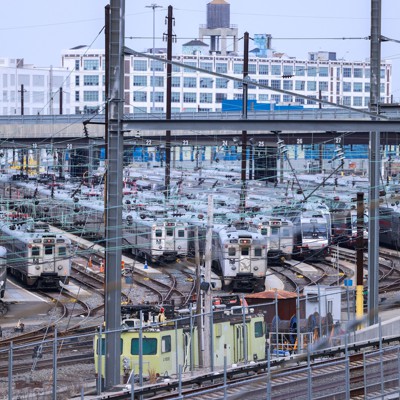
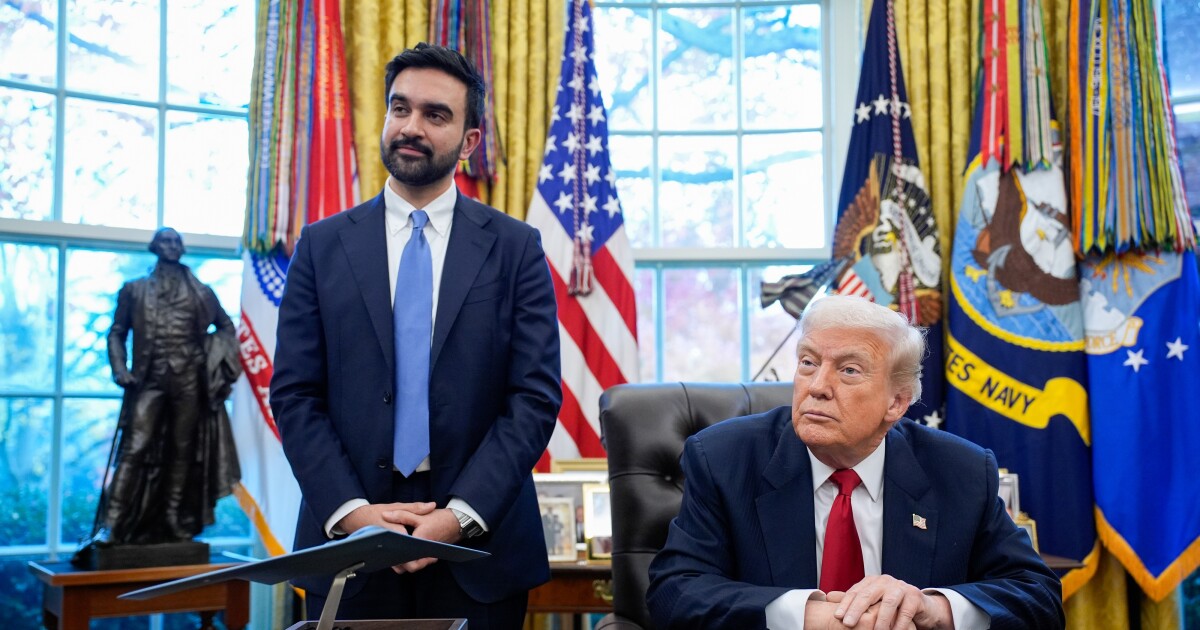
NYC Mayor Mamdani proposed a $21 billion federal investment to build 12,000 affordable homes over Sunnyside Yard rail yard in Queens, potentially the largest affordable housing project since 1973.
fromPlanetizen
2 months agoMamdani Proposes Reviving Sunnyside Yard Project in Meeting With Trump
Sunnyside Yard has all the ingredients that Trump could wish for. The project involves building a massive platform over the sunken tracks, which will require substantial federal funding. Amtrak owns much of the railyard, and the government effectively owns Amtrak, which means the president can largely set the terms.
New York City
NYC politics
fromStreetsblog
2 months agoMonday Headlines: Regional Responsibilities Edition - Streetsblog Empire State
Putnam County Executive Kevin Byrne was appointed co-chair of the New York Metropolitan Transportation Council, which oversees billions in federal transportation funding across the downstate region.
NYC real estate
fromtherealdeal.com
3 months agoMamdani asks Trump for $21B for Sunnyside Yard megadevelopment
Mayor Mamdani secured a meeting with President Trump to request $21 billion in federal grants for building 12,000 affordable housing units over Sunnyside Yard in Queens through a platform construction project.
NYC politics
fromBenzinga
3 months ago'Trump To City: Let's Build': Mamdani Revives 1975 Tabloid Jab In Unconventional Oval Office Housing Pitch For NYC
NYC Mayor Mamdani met Trump at the White House to secure federal funding for 12,000 affordable housing units at Sunnyside Yard, using a mock newspaper headline to appeal to Trump's media interests.
World politics
fromenglish.elpais.com
3 months agoHomeland Security shutdown complicates preparations for World Cup host cities in the United States
A DHS partial shutdown is severely hampering security and logistical planning for the 2026 World Cup in the United States, with $625 million in allocated federal funds frozen and unable to be distributed.
US politics
fromwww.mediaite.com
3 months agoTrump Administration Withholds $260 Million In Medicaid Funds for Minnesotans
The Trump administration is withholding $259.5 million in federal Medicaid funding from Minnesota and implementing a six-month national moratorium on Medicare enrollment for medical equipment suppliers to combat alleged fraud.





fromsilive
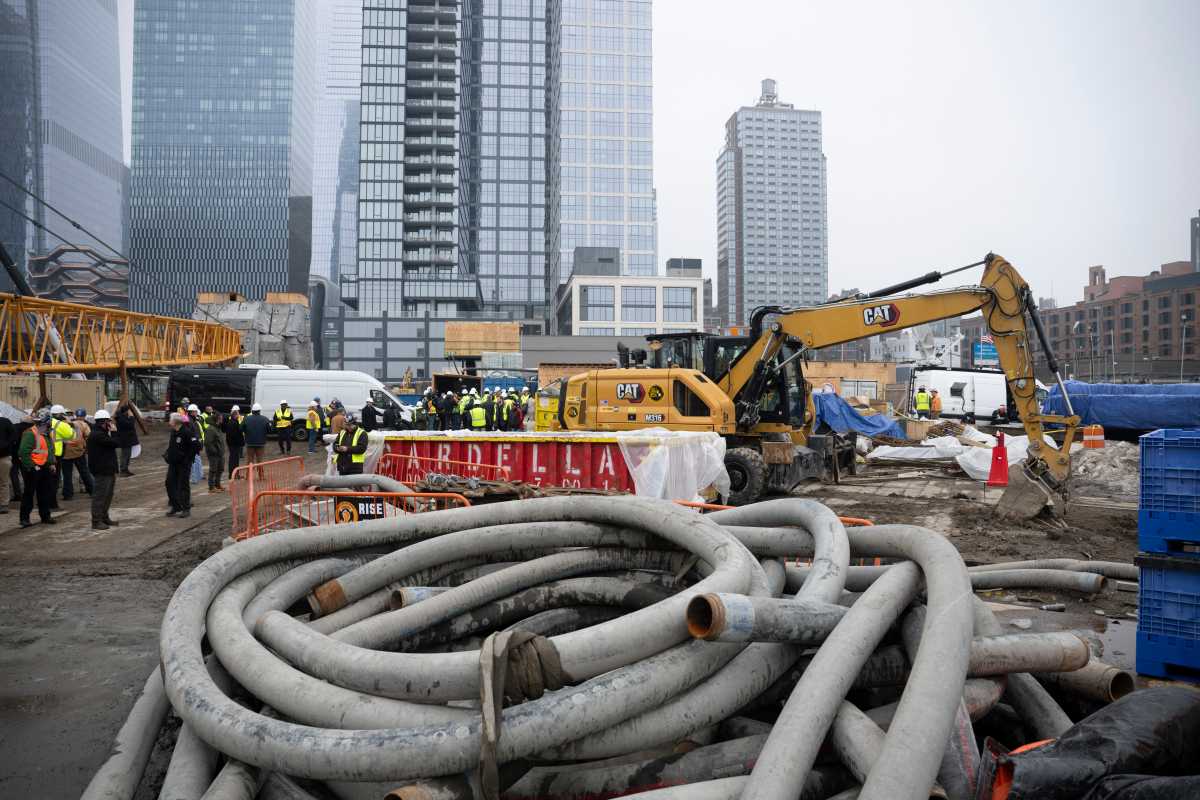
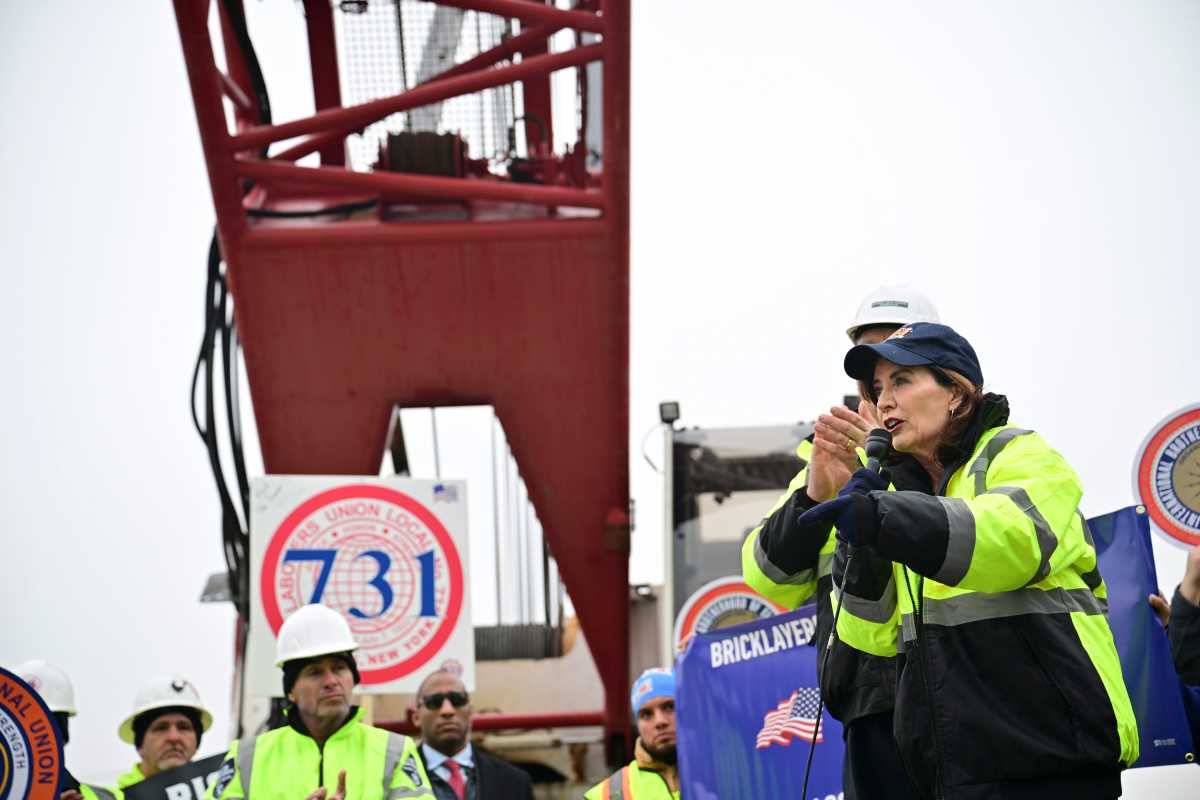
3 months agoStaten Island reinforced: $9M to modernize firehouses, train next generation of first responders
According to Malliotakis, the largest amount of money - $5 million - will go toward renovating a building on Staten Island that will be used for EMS classroom training. The exact location was not immediately clear. Currently, personnel must travel to either Randall's Island or northeastern Queens for training, requiring them to be placed out of service and unavailable for duty during those sessions.
New York City
[ Load more ]