#child-care
#child-care
[ follow ]
#new-york-city #early-childhood-education #parenting #federal-funding #universal-child-care #economic-impact








#nyc


New York City
fromChalkbeat
1 month agoMamdani launches new child care provider permit site one week after family search site, hoping to speed both center openings and enrollment
A new centralized permitting tool for child care providers in NYC aims to simplify the application process and expand access to care.


US politics
fromLos Angeles Times
4 months agoCalifornia sues Trump administration over 'baseless and cruel' freezing of child care funds
The federal government froze $10 billion in child care and family assistance to five Democratic-led states, prompting a lawsuit alleging unsupported fraud claims and violations of congressional spending power.
fromwww.nytimes.com
4 months agoVideo: Hochul and Mamdani Announce Plan for Universal Child Care
Today, we're working together with the mayor at this incredible place to announce the first major steps to make child care universal truly universal here in New York City, transforming the lives of children and parents all across the state. We will build on the city's existing three-K program, and say, no longer will a family in Flatbush be offered a seat, but have to find out that seat is in Astoria.
US politics
US politics
fromFortune
4 months agoTrump moves to freeze federal funds for Minnesota, demanding daycare audit after 'blatant fraud that appears to be rampant' | Fortune
The HHS froze Minnesota child care funds and demanded audits after allegations of widespread fraud across day care centers and other federally funded programs.
Parenting
fromLos Angeles Times
5 months agoThese South L.A. women built a child-care haven on their block. It's a lifeline for families
South L.A. child-care providers on 115th Street share resources and offer door-to-door transportation and support services to keep affordable care available for 60 local children.
New York City
fromwww.amny.com
5 months agoMamdani transition: New First Deputy Mayor Fuleihan insists admin will balance bold affordability agenda with fiscal discipline amNewYork
Dean Fuleihan and the Mamdani administration will pursue an aggressive affordability agenda while maintaining fiscal discipline and balancing the city's budget.


fromChalkbeat
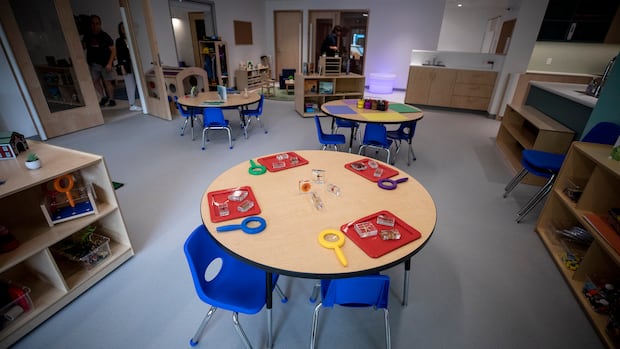
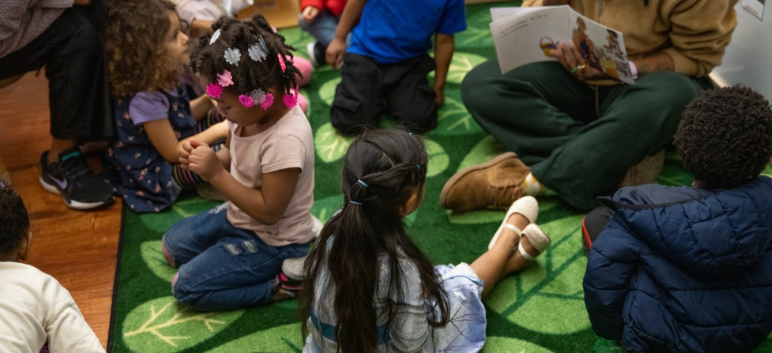
7 months agoNYC families are fleeing before kindergarten. Free pre-K isn't always enough to keep them.
Child care is just one piece of an interconnected web of affordability and education issues that influence whether families leave the city when they have children. Also in play: housing, availability of after-school programs, school quality, and navigating school admissions, whether for kindergarten or looking ahead to middle and high school. For many, having a second or third child also changes the calculus, several parents told Chalkbeat.
New York City
Toronto
fromwww.cbc.ca
7 months agoOntario auditor general to release four special reports, including on child care, pollution reduction | CBC News
Ontario's auditor general will release four reports examining child care implementation, Skills Development Fund training, greenhouse gas reduction progress, and home construction regulation.
fromSan Jose Spotlight
8 months agoSilicon Valley child care program boosts businesses - San Jose Spotlight
Last August, San Jose gave $1 million to Upwards for its Boost program to help child care centers streamline their operations. A year later, 43% of participating providers have increased their child care slots - and 35% reported an increase in revenue by at least 20%. About one-third of the providers were able to hire an assistant, according to Boost Program Manager Judy Ahumada.
Education


fromFortune
10 months agoHow a non-profit CEO rallied 200 businesses to help score billions in child care wins as part of Trump's Big Beautiful Bill
"Childcare, as you know, has been seen as a personal problem for women and workers, but not an economic imperative. We knew we needed to get businesses to make the case..."
US politics
NYC parents
fromwww.newyorkfamily.com
10 months agoNew NYC Budget Expands 2K Child Care, Boosts Special Needs Services, and Adds $220M in Child Care Vouchers New York Family
NYC's 2026 budget significantly invests in child care and special education, focusing on affordability and support for low-income families.
Health
fromBuzzFeed
10 months agoDoctors And Nurses Are Revealing The "Small" Health Signs You Should Never Ignore
Regular medical check-ups are crucial, even when feeling healthy.
Moderate exercise and strength training are essential throughout life.
Parents should medicate children for fever before medical visits.
SF parents
fromThe Mercury News
11 months agoWith childcare among the top issues for Bay Area residents, providers celebrate $209 million passed by Alameda County
Alameda County's Measure C passage marks a significant $209.6 million investment in child care funding, aimed at supporting providers and enhancing child development.
SF parents
fromwww.mercurynews.com
11 months agoWith childcare among the top issues for Bay Area residents, providers celebrate $209 million passed by Alameda County
Alameda County's Measure C promotes $209.6 million investment in child care, advocating necessity amid financial difficulties faced by providers and families.
fromAustin Monitor
11 months agoThis session saw legislative wins for child care providers and working parents - Austin Monitor
In our first session, to have this kind of accomplishment shows we've struck a nerve, identifying an issue that resonates with people, impacting families and economy.
NYC parents
[ Load more ]