#coming-of-age
#coming-of-age
[ follow ]
#friendship #lgbtq #supernatural #grief #stand-by-me #nostalgia #the-testaments #literary-fiction #stranger-things
Independent films
fromwww.theguardian.com
2 days agoCiao UFO review Hong Kong tear-jerker is less ET than time-hopping chronicle of housing estate kids
A Hong Kong realist drama uses time jumps and a shared UFO childhood event to connect characters’ divergent adult lives and deliver a sentimental, tear-jerking ending.
fromQueerty
4 days agoFirst love, a meddling mom & Mama Cass: Beautiful Thing is still a coming-of-age masterpiece, 30 years later - Queerty
For queer people, this tends to be a bittersweet experience. While we all develop our first serious crushes around the same time in adolescence, society has made it harder for us to openly lean into them, or even express them out loud. Without a supportive environment, teen crushes can become more confusing, painful, and filled with shame; sometimes even dangerous.
Film
fromThe New Yorker
1 week agoHarriet Clark's Debut Is a New Kind of Coming-of-Age Novel
The bildungsroman is the coming-of-age novel; it is also the coming-to-terms novel. The protagonist, usually a young man, undergoes a series of adventures that eventually spit him out wiser, stronger, set up for life's journey.
Books
fromwww.theguardian.com
2 weeks agoWild Foxes review animal-obsessed fighter at elite sports academy wonders if more to life than boxing
Camille becomes morbidly obsessed with the purely psychosomatic pain in his arm that prevents him from boxing properly, to the rage of his coach and teammates.
Independent films


fromwww.theguardian.com
1 month agoDear Killer Nannies review a surprisingly gut-punching Pablo Escobar drama
The new Spanish language series Dear Killer Nannies manages to find a new and unexpected way into the life of an archetypal villain, focusing very little on the bloodshed that has made his life so ripe for movies and television.
Madrid food
Film
fromInverse
1 month agoOne Horror Legend Is About To Bring A Beloved Video Game To Life
Life is Strange's success stems from its earnest portrayal of adolescent emotional complexity and the relationship between Max and Chloe, distinguishing it from other narrative adventure games through its focus on coming-of-age themes.
#queer-romance
Books
fromwww.theguardian.com
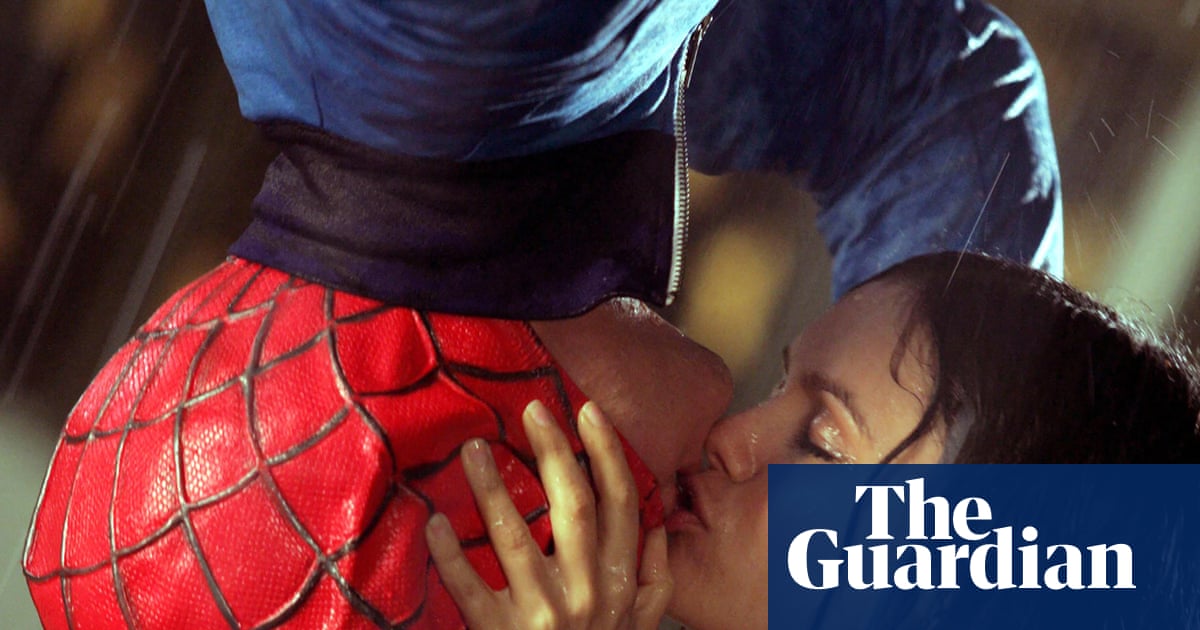
1 month agoAlmost Life by Kiran Millwood Hargrave review a will-they-won't-they queer romance
Almost Life chronicles a decades-long romance between two women beginning in 1970s Paris, exploring queer love, missed opportunities, and the consequences of life choices across different social contexts.
Books
fromwww.theguardian.com
1 month agoAlmost Life by Kiran Millwood Hargrave review a will-they-won't-they queer romance
Almost Life chronicles a decades-long romance between two women beginning in 1970s Paris, exploring queer love, missed opportunities, and the consequences of life choices across different social contexts.
fromMetro Silicon Valley | Silicon Valley's Leading Weekly
1 month agoRide the Cyclone in Mountain View | Metro Silicon Valley | Silicon Valley's Leading Weekly
After members of the St. Cassian High School chamber choir perish while riding The Cyclone, they awake in limbo. Their spirit guide (a mechanical fortune teller automaton named The Amazing Karnak) invites each one to tell their life story in an effort to win the greatest prize of all, a chance to return.
London music
SF LGBT
fromPinkNews | Latest lesbian, gay, bi and trans news | LGBTQ+ news
1 month agoBig Girls Don't Cry, the film about coming of age as a queer teen in New Zealand
A debut feature film explores the traumatic transition from childhood to adolescence, focusing on a teenage girl navigating emerging sexuality and peer pressure in rural New Zealand.
London music
fromwww.theguardian.com
2 months agoMy cultural awakening: a 60s folk band helped me find my place as a person of colour in Britain
A transformative concert experience at age 15 introduced folk music as a gateway to understanding British cultural heritage and personal identity during adolescent self-discovery.
fromSlate Magazine
2 months agoPixar's Surprising, Hit New Movie Suggests a Way the Studio Could Escape Its Doldrums
Nineteen-year-old Mabel Tanaka has always used nature as a means of calming her volatile emotions, decompressing in the silence of the placid pond near her house with her beloved grandmother by her side. But as Mabel grows from a sullen teen to a young adult, her coping mechanisms fall away one by one. Her parents move away, her grandmother dies, and the pond, the last stable place in her life, is deserted by the wildlife that once gave her so much comfort, and scheduled to be paved over for a new highway.
Independent films
Film
fromBrooklynVegan
2 months agoNew movie 'Mile End Kicks' is a rom com set against Montreal's '00-era indie scene (watch the trailer)
Mile End Kicks is a romantic comedy set in late-2000s Montreal following a woman who moves to write about Alanis Morissette but becomes involved with indie rock band members instead.
#literary-fiction
Books
fromwww.theguardian.com
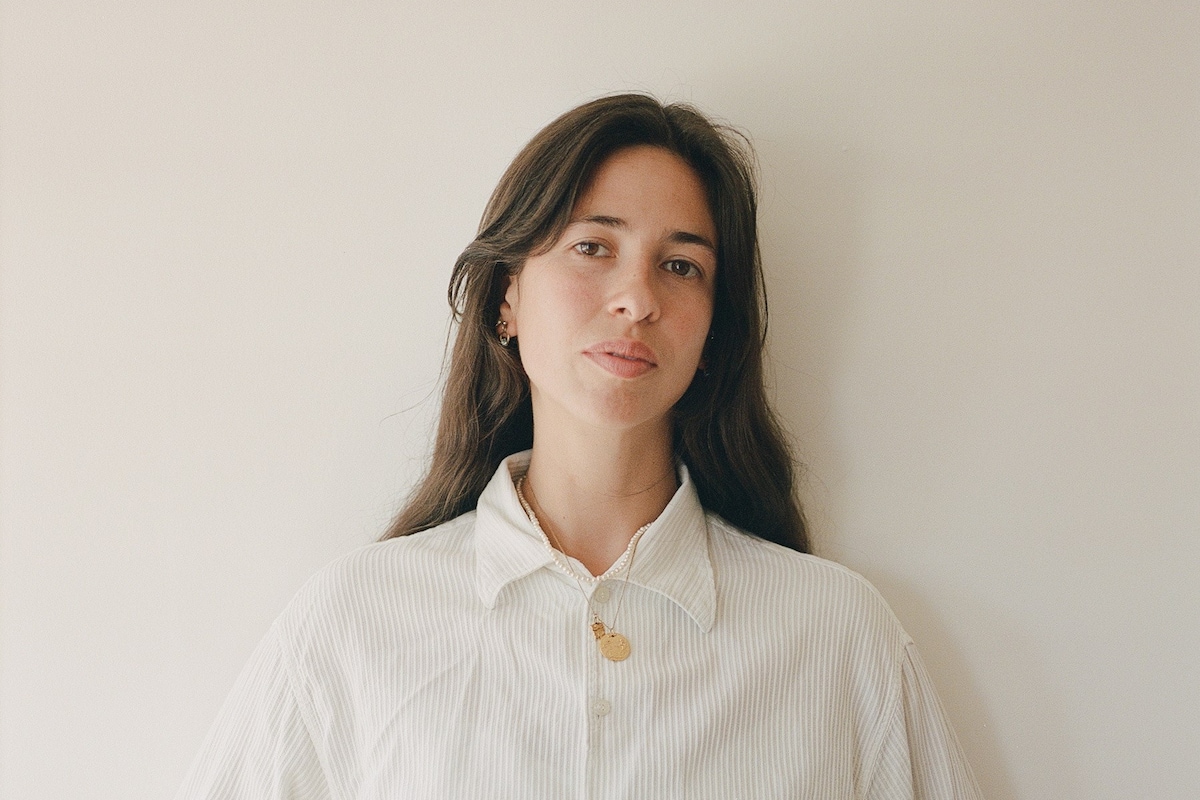
2 months agoGloria Don't Speak by Lucy Apps review tender portrait of a woman with a learning disability
Lucy Apps's debut novel follows Gloria, a 19-year-old with a learning disability navigating east London in 1999, whose friendship with Jack reveals exploitation and vulnerability.
Books
fromwww.theguardian.com
2 months agoThey by Helle Helle review a novel to make the reader slow down and take notice
A Danish novel explores the deepening bond between a teenage daughter and terminally ill mother through minimalist prose that captures unspoken emotional intimacy and life's quiet, defining moments.
Independent films
fromwww.theguardian.com
2 months agoHoppers review fun Pixar flick about a teen trying to talk to the animals and save them from an evil developer
A witty family animation about a teenager protecting a woodland glade from development by reuniting it with vanished animals, exploring themes of environmental protection and human-animal empathy.
Books
fromwww.theguardian.com
2 months agoBen Markovits: I used to think any book concerned with people falling in love can't be very good'
Reading shaped formative years through detective stories, fantasy epics, and memoirs that provided companionship and escape during frequent moves and family transitions.

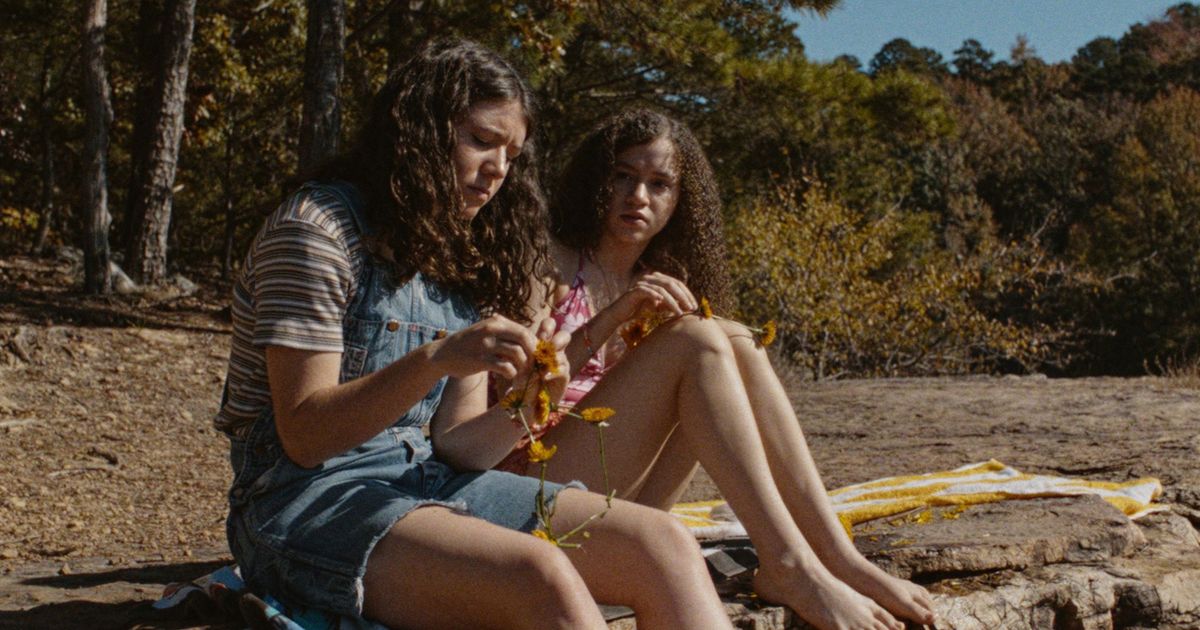
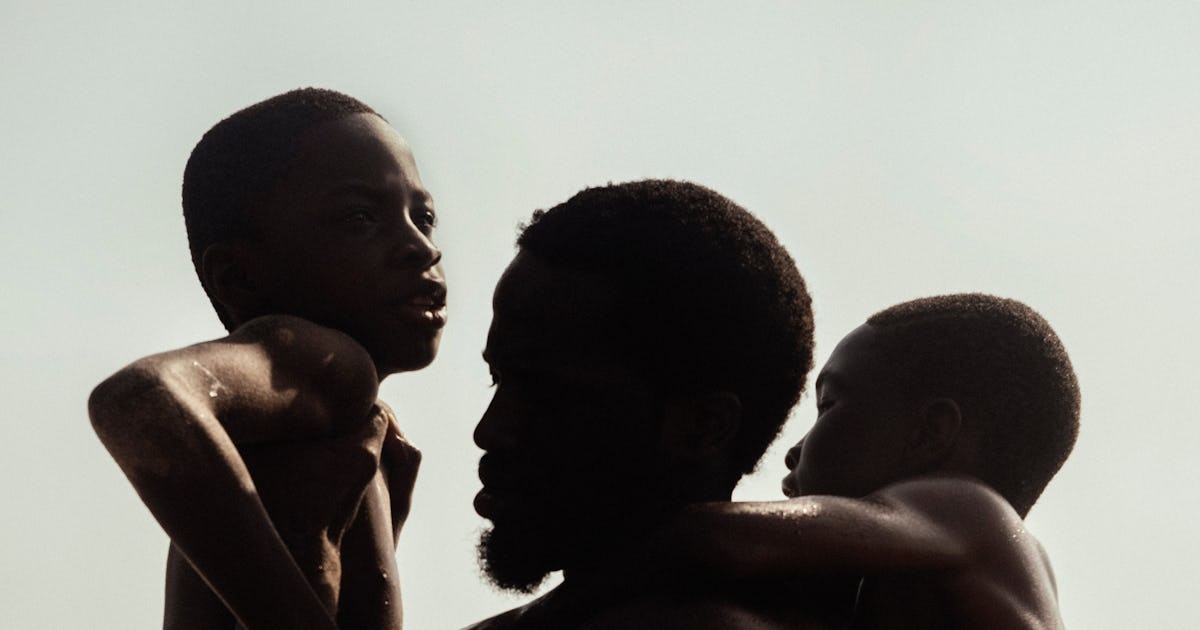
fromFilmmaker Magazine
3 months ago"The Psychological Horror of Being a 13-Year-Old": Charlie Polinger on The Plague
After spotting that Eli's rash guard conceals a red, flaky skin disorder, the boys have concluded that he has the titular plague, a contagious disease that affects social standing as much as it does dermatological well-being. If anyone ever touches him, they must thoroughly wash themselves before they're considered full-blown infected. Even something as innocent as Eli sitting at the same lunch table sends his teammates running and screaming.
Film
fromQueerty
3 months agoQueer desire becomes the ultimate horror in Sundance's most terrifying LGBTQ+ breakout hit Leviticus - Queerty
For as much as gays love their horror, and as many examples there are of the genre finding its haunting power through queer metaphor (from the scary subtleties of Psycho to the screamingly obvious A Nightmare on Elm Street 2: Freddy's Revenge), there are relatively few mainstream horror films that actually tackle LGBTQ+ themes head-on. However, after a rapturous reception at the Sundance Film Festival, Australian supernatural fright flick Leviticus was quickly picked up for theatrical release by Neon and might just be the " queer horror masterpiece " we've been waiting for.
Film
Film
fromRoger Ebert
3 months agoSundance 2026: Big Girls Don't Cry, Hold Onto Me, Tell Me Everything | Festivals & Awards | Roger Ebert
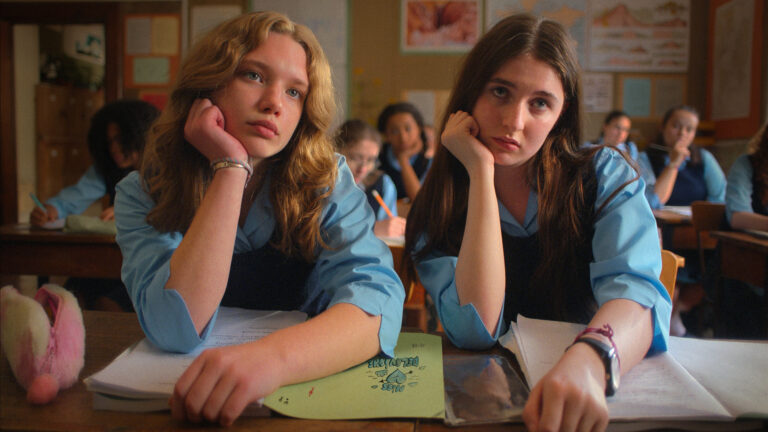
Three Sundance World Dramatic Competition films depict adolescents confronting identity, family estrangement, and societal fear across varied places and historical moments.
fromThe Verge
3 months agoThis coming-of-age adventure game made me feel a little too seen
There's a lot about Perfect Tides: Station to Station 's Mara that I find relatable. Like me, she's recently moved to a place simply called "the City" from the middle of nowhere, and like me, she's an avid writer. But these biographical details aren't the important thing; it's the way she's painted by the game's incredibly sharp writing where I start to feel uncomfortably seen.
Video games
fromPinkNews | Latest lesbian, gay, bi and trans news | LGBTQ+ news
3 months agoEverything we know about The Body, Netflix's 'raunchy' new psychodrama
What do you get when you cross an all-women dance troupe with a rebellion against Catholicism and erotic '90s thrillers? Something supremely queer, I hope. In the words of Ayo Edebri: I'm simply too seated. This is The Body, a new Netflix psychodrama from queer writer-director and Blame actress Quinn Shephard, starring none other than The Traitors ' sapphic supreme, Gabby Windey (plus a host of other very talented stars) Announced back in October, the eight-part show is set to further the fascination with "raunchy" coming-of-age, sports-ish series when it's released later this year, and with a wink-wink-nudge-nudge approach to religion, too.
Television
fromwww.theguardian.com
4 months agoA celebration of the carefree': why Ferris Bueller's Day Off is my feelgood movie
It's hard to ignore a film's message when the main character is addressing you directly down the barrel of the camera. Granted, the first time I watched the 1986 teen comedy Ferris Bueller's Day Off, I was the impressionable age of 11 and Look people in the eyes when they're talking to you was on constant rotation in my household. So my green eyes met Ferris's brown ones and I took it all in.
Film
fromwww.theguardian.com
4 months agoMy favourite family photo: It's a snapshot of our goofy bond'
It was his aside that spoiled the secret identity of Santa Claus; he who laughingly revealed the mechanics of sex; he who gave me my first sip of beer. Yet, when he found out I was sneaking cigarettes from my dad's stale dinner party supply, he chastised me before either of my parents could, and when my mum was diagnosed with cancer and I was just 15, he was already a 22-year-old medical student.
Relationships


fromwww.theguardian.com
4 months agoPure euphoric escapism': why Adventureland is my feelgood movie
Bouncing through the year 1987 under a cloud of weed and Lou Reed, wannabe travel essayist James suffers a reality check when his dad's demotion means that the family can no longer fund a planned European jolly with his best mate, Eric. Faced with an empty summer before studying at Columbia University, the Charles Darwin acolyte manages to bag himself a job at the titular theme park, where amusement stations are inexplicably slapped with names like the Flighing Dutchman.
Film
Film
fromwww.theguardian.com
4 months agoThe Devil's Backbone review rich, rousing ghost story is early gothic gem from Guillermo del Toro
A richly gothic, empathetic ghost story that blends political conflict and childhood horror, delivering technical flair, strong performances, and deeply felt terror.
fromThe Mercury News
5 months agoBay Area park ranger's murder sheds light on the tragic toll of domestic violence
With only a knife, some food, water, and a sleeping roll, Kat Pringle headed into Nevada's rugged White Mountains alone. She was barely a teenager, but it was her turn to spend the night - to survive - on her own, as part of a coming-of-age initiation dreamed up by her father, who ruled over his family with a mix of ideology and impossible expectations.
US news
fromFilmmaker Magazine
6 months ago"It Did Feel Like a Conjuring": Avalon Fast on Her Witchy Sophomore Feature CAMP
After a tragic loss, college dropout Emily (Zola Grimmer) is desperate for some distance in , the sophomore feature from 22-year-old writer-director Avalon Fast. While her father (Michael Tan) is patient and supportive, the comfort of returning home only seems to make Emily regress into a volatile depression. On a lark of sorts, he suggests that she apply to work as a counselor at a summer camp deep in the Canadian wilderness.
Film
fromwww.npr.org
6 months agoLily King's new novel constructs an erotically charged love triangle
Earlier this month, I kept picking up and putting down Lily King's new novel, Heart the Lover. I love King's writing but the opening section was hard for me to take not in a grisly Cormac McCarthy or scary Stephen King kind of way but in an "Ugh, I remember being that girl, that age" kind of way. Heart the Lover opens in a college class of the 1980s.
Books
fromwww.theguardian.com
6 months agoHeart the Lover by Lily King review a love story to treasure
The university experience is a risky business in fiction. Generally, the feelings are intense, but the stakes are low; it's all very formative for the individual character, but it can feel a bit trivial to anyone else. In fact, reading an account of someone's university days is surely only one or two stages removed from having to hear about the dream they had last night.
Books
fromKALTBLUT Magazine
6 months agoArtist of the Week: LUNA and Her Captivating New EP "Worte wie Messer" - KALTBLUT Magazine
LUNA's music resonates deeply as it explores the journey of coming of age in one's early twenties. She navigates self-discovery, queer identity, and mental health, all while reflecting on the places that have significantly influenced her life. Her ability to encapsulate the bittersweet essence of formative moments, those experiences that exist in the delicate balance between euphoria and pain, makes her an artist unlike any other.
Music
fromwww.theguardian.com
6 months agoOut of Words crafting gaming's most unusual love story from clay and glue
Out of Words is made from clay, fabric, and glue: a love story literally crafted by hand that even caught the attention of Metal Gear creator Hideo Kojima (The biggest praise we could imagine, game director Johan Oettinger says.) Oettinger dreamed of making a stop-motion video game since he was 12, when he first played 90s point-and-click claymation game The Neverhood.
Video games
Film
fromFilmmaker Magazine
6 months agoOral HIstory: Nobuhiro Yamashita, Doona Bae, and James Iha on "Linda Linda Linda" at 20
Linda Linda Linda shifted Nobuhiro Yamashita from films about lazy men to an empathetic, music-centered portrayal of high-school girls, reshaping his career and Japanese indie cinema.
Video games
fromKotaku
6 months agoHit The Demo For One Of The Best Narrative Games This Decade
Perfect Tides: Station to Station continues Mara Whitefish's nuanced coming-of-age story with tender, character-driven point-and-click adventure delivering authentic emotional depth and strong sequel promise.
[ Load more ]