Data science
fromInfoWorld
2 hours agoAddressing the challenges of unstructured data governance for AI
Enterprises must enhance data governance for unstructured data as AI transforms data management practices.
The near-record temperatures are expected to last into this weekend, forecasters say. While it's not unprecedented to see high temperatures climb toward 90F on an April day, the length of such an April heatwave is rarely seen.
When scientists applied a new model of human survivability that takes into account the body's ability to function and stay cool depending on age, they found all six events had seen non-survivable periods for older people who could not find shade.
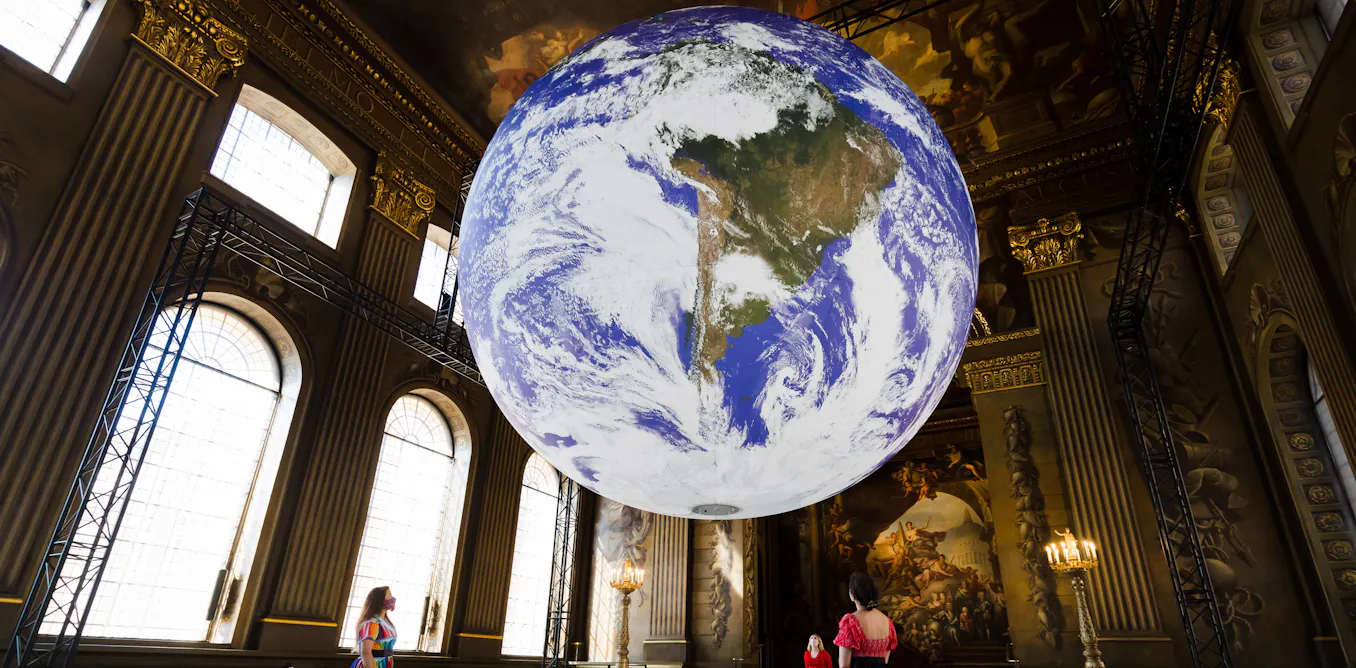
We created Earth in Action to provide a lens into what's happening on our planet, as it happens. Whether it's something typical, like the current air temperature, or an extreme event like a major dust storm, we wanted to provide an opportunity for people to see them.
While humans have assembled a lot of weather data, flash floods are too short-lived and localized to be measured comprehensively, the way the temperature or even river flows are monitored over time. That data gap means that deep learning models, which are increasingly capable of forecasting the weather, aren't able to predict flash floods.
Weather impacts sales. Every retailer knows it. But for most, the likelihood that it might rain, snow, or sleet on the third of March somewhere in the Midwest is rarely used. Vendors such as Weather Trends have offered accurate, long-range forecasts for more than 20 years. But the opportunity is not predicting the weather; it's knowing what to do with the data. AI might change that.
"So whenever people think about hot weather, they always talk about the temperature," he says. "There's two issues with that. First of all, most people don't realise that the temperature is measured in the shade. So if you're in direct solar radiation, the amount of heat stress you're exposed to is much greater as it will stress your body out a lot more."
Google tasked Gemini with sorting through 5 million news articles from around the world and isolating flood reports. It transformed this data into a geo-tagged series of chronological events. Next, researchers trained a model to ingest current weather forecasts and leverage the Groundsource data to determine the likelihood of a flash flood in a given area.
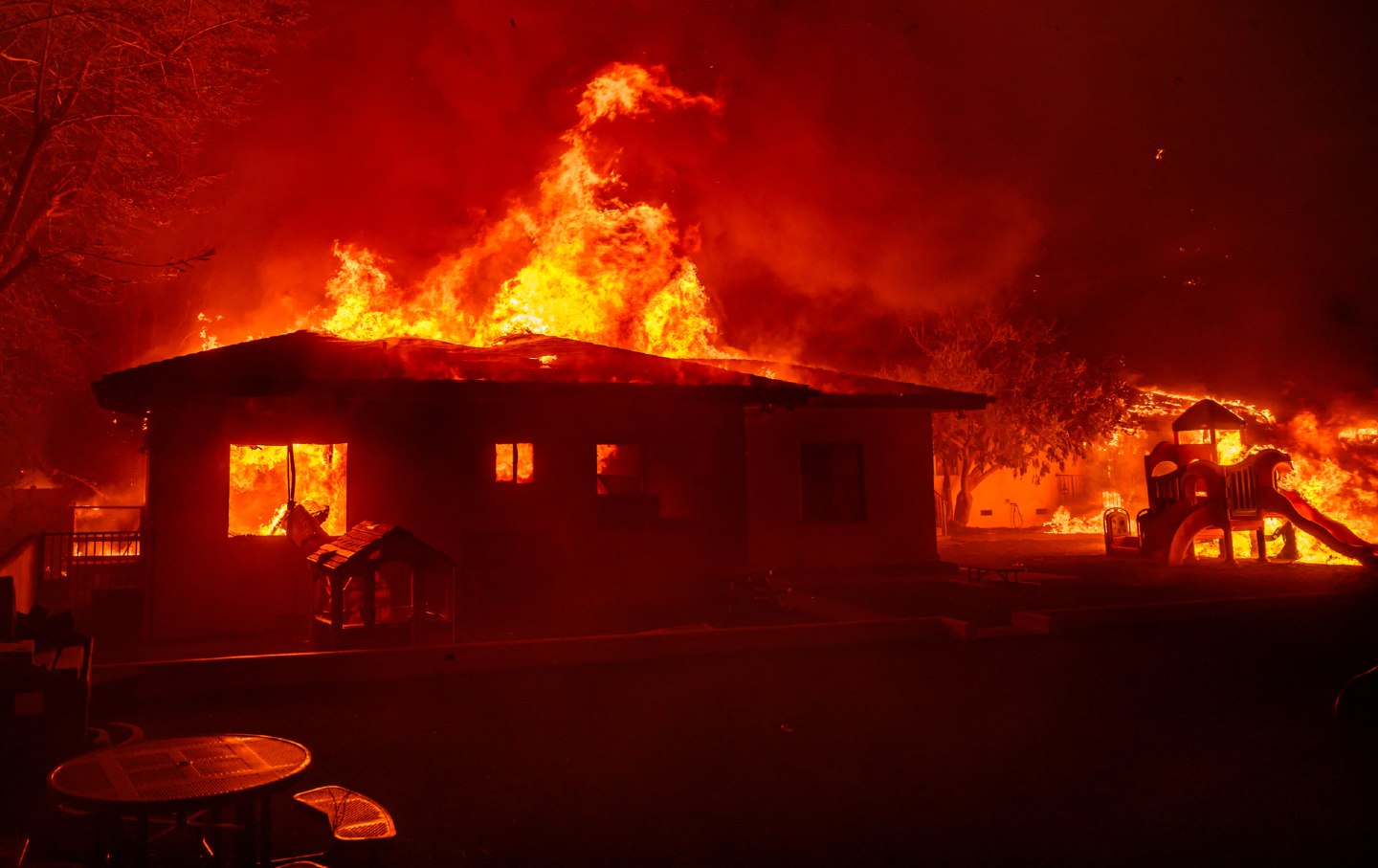
Wildfire prevention has traditionally relied on blunt tools, such as rigid inspection cycles and emergency power shutoffs. Now a new generation of technology start-ups is pitching a more targeted approach: using artificial intelligence to help utility companies decide what to inspectand where to intervenebefore a spark becomes a blaze. The stakes are rising. In 2025 more than 77,000 wildfires were reported in the U.S.significantly more than the past decade's averageand burned more than five million acres.
Warwick, N., Griffiths, P., Keeble, J., Archibald, A., & Pyle, J. Atmospheric implications of increased Hydrogen use. GOV.UK https://www.gov.uk/government/publications/atmospheric-implications-of-increased-hydrogen-use (2022).
Growing up outside Manchester, I spent countless summer holidays at my grandparents' farm in the Yorkshire Dales. My grandfather would step outside each morning, scan the sky, and announce with absolute certainty what the weather would do that day. No smartphone apps, no weather channel, just decades of observation. I used to think it was nonsense. How could watching birds or looking at clouds possibly compete with satellite technology? But here's the thing: he was almost always right.
Tech companies are conflating traditional artificial intelligence with generative AI when claiming the energy-hungry technology could help avert climate breakdown, according to a report. Most claims that AI can help avert climate breakdown refer to machine learning and not the energy-hungry chatbots and image generation tools driving the sector's explosive growth of gas-guzzling datacentres, the analysis of 154 statements found.