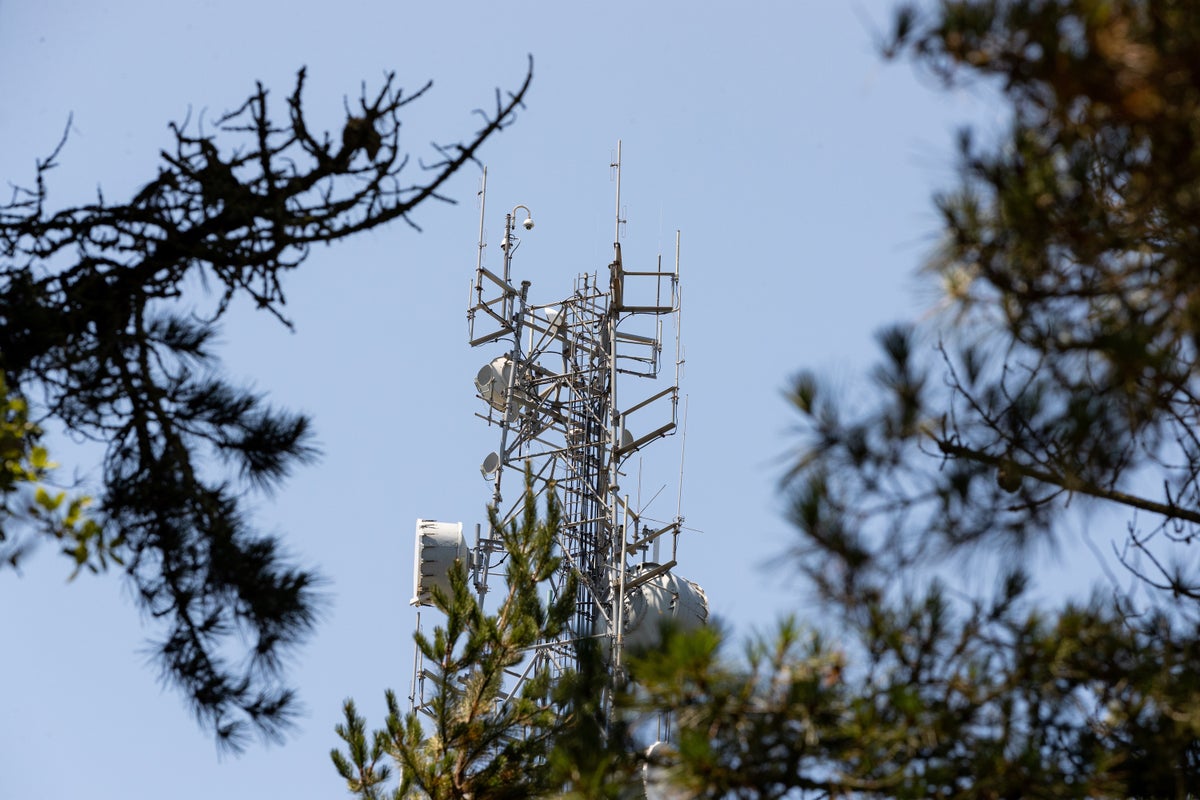
"Wildfire prevention has traditionally relied on blunt tools, such as rigid inspection cycles and emergency power shutoffs. Now a new generation of technology start-ups is pitching a more targeted approach: using artificial intelligence to help utility companies decide what to inspectand where to intervenebefore a spark becomes a blaze. The stakes are rising. In 2025 more than 77,000 wildfires were reported in the U.S.significantly more than the past decade's averageand burned more than five million acres."
"Droughts have been recurring as the climate has continued to warm, and wildfires are now almost year-round threats. Forces ranging from weather and vegetation structure to electric grid infrastructure and human activity make wildfires difficult to predict. Overstory, an Amsterdam-based company, developed AI-powered vegetation monitoring to help utility companies identify hazard trees that are most likely to fall near power lines."
Wildfire frequency and acreage increased sharply in 2025, stressing firefighting resources for months and creating near year-round threats as climate warms. Drought recurrence and interacting forces — weather, vegetation structure, grid infrastructure, and human activity — make fires hard to predict. Vegetation contact in California’s highest-risk areas accounts for many utility-caused ignitions. Utilities have control over combustible fuels such as trees, grass, and shrubs through vegetation management. Overstory developed AI-powered vegetation monitoring to identify hazard trees most likely to fall near power lines to prevent sparks. Traditional blunt tools include rigid inspection cycles, walking crews, helicopter lidar surveys, and emergency power shutoffs.
Read at www.scientificamerican.com
Unable to calculate read time
Collection
[
|
...
]