Silicon Valley
Silicon Valley
[ follow ]
#robotaxi #uspto #class-central #job-market-trends #series-b-funding #tech-careers #workplace-dissatisfaction
#humanoid-robots

Silicon Valley
from24/7 Wall St.
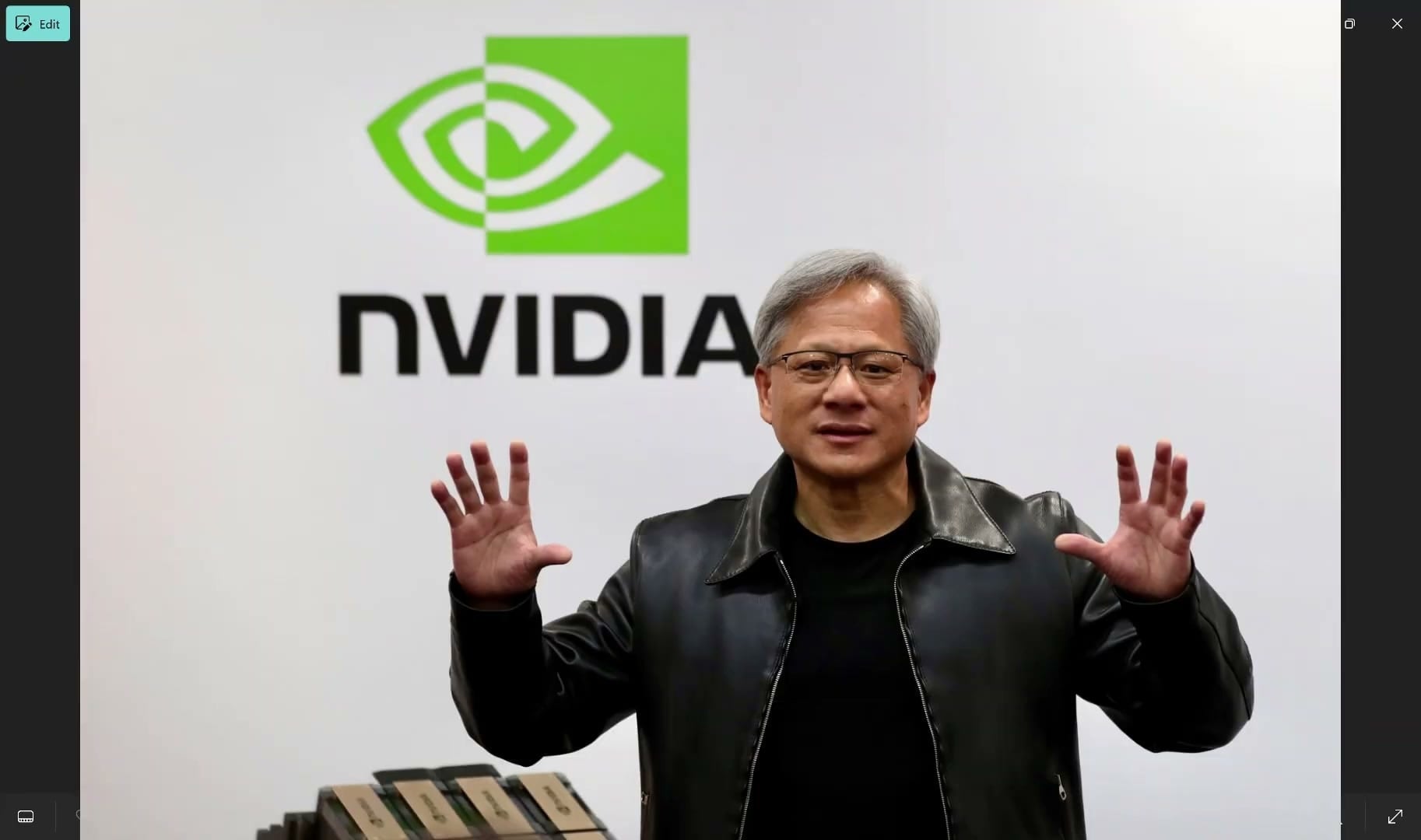
20 hours agoJensen Huang's $40 Trillion Robot Call Echoes the 1913 Moving Assembly Line. The Pattern Says Buy the Picks and Shovels
Humanoid robots are projected as a $40 trillion labor-automation market, but wealth from transformative production technology often shifts to suppliers rather than operators.
#remote-work

Silicon Valley
fromFortune
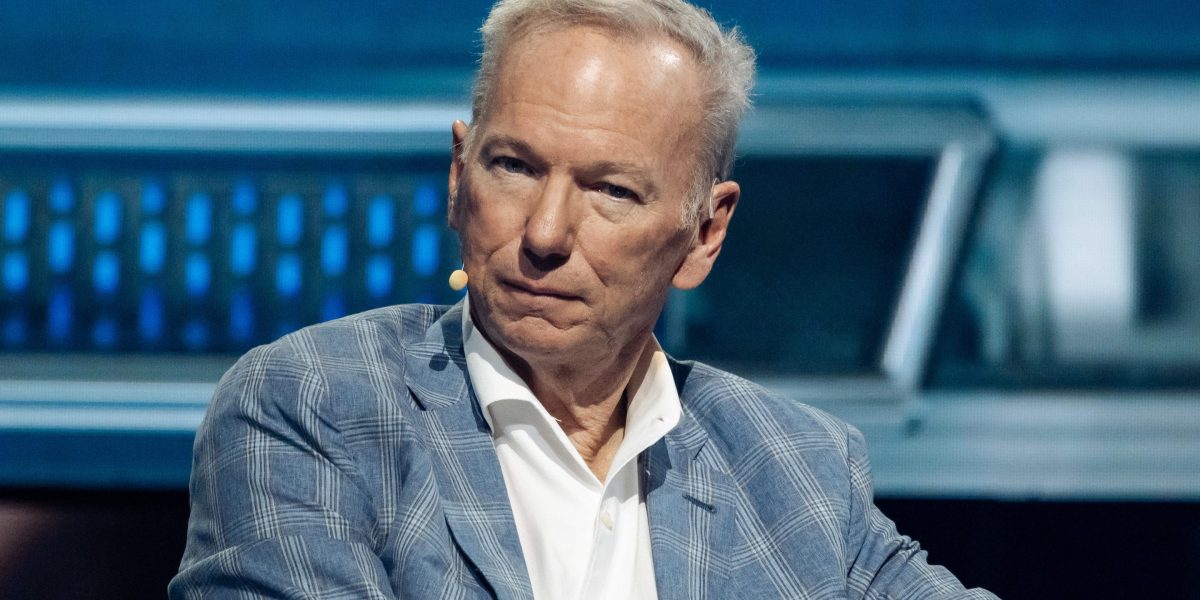
15 hours agoEx-Google CEO Eric Schmidt warns U.S. tech workers: Competing with China's grueling 12-hour workdays means sacrificing work-life balance | Fortune
Remote work undermines U.S. tech competitiveness against China, and especially harms young workers’ learning and experience.
fromFuturism
18 hours agoWhy Is Sam Altman Teaming Up With Jared Leto, a Creep With Extensive Sex Abuse Allegations?
Concert Kit was designed to cut reseller bots out of the equation by having Leto fans scan their eyeballs for a so-called “Humans Only Concert,” a volunteering effort to be awarded with a special two-for-one ticket offer.
Silicon Valley
#spacex
Silicon Valley
fromEntrepreneur
1 week agoElon Musk Is Now Reading All SpaceX Job Applications Himself - Here's What He's Looking For
Elon Musk personally reviews SpaceX AI hiring applications after initial screening.
Prior AI experience is not required if candidates can learn and build quickly.
Applicants must email three bullet points proving exceptional ability.
#artificial-intelligence
Silicon Valley
fromFortune
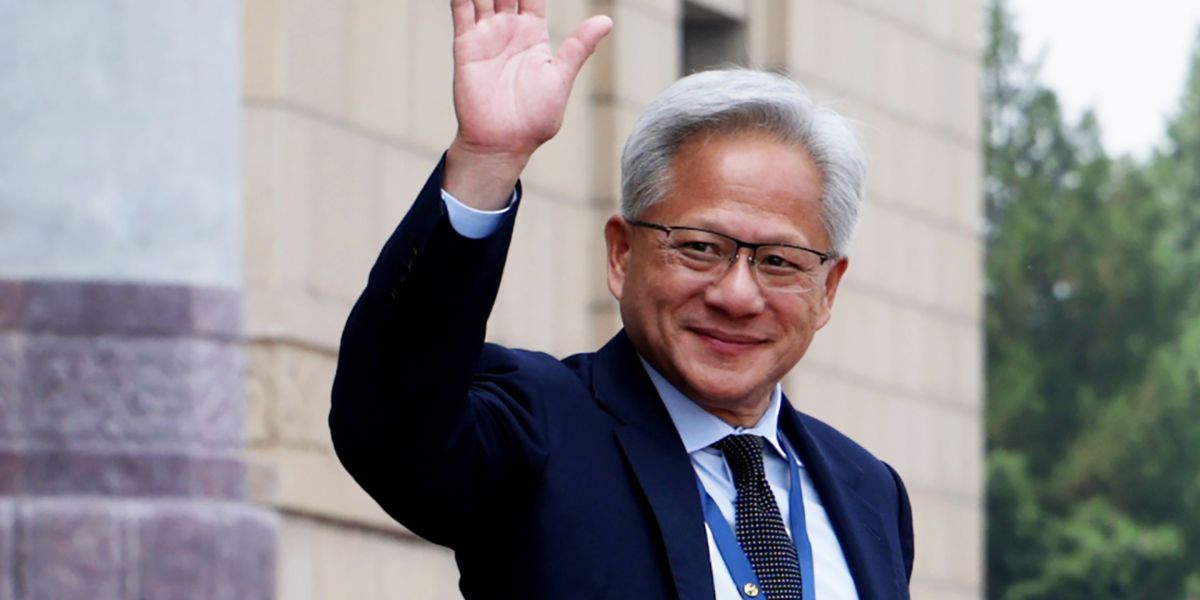
4 days agoNvidia CEO Jensen Huang admits he criticizes everything his 42,000-plus employees show him: 'You can't go a day without some criticism' | Fortune
Nvidia’s demanding feedback culture, delivered immediately and aimed at improvement, supports high employee retention and long-term career fulfillment.
#nvidia
Silicon Valley
fromTNW | Nvidia
3 days agoJensen Huang joins the Tsinghua University advisory board chaired by Tim Cook
Jensen Huang joined Tsinghua University’s economics and management advisory board, aligning Nvidia leadership with major US tech and finance executives amid US-China AI and supply-chain signaling.
Silicon Valley
fromFortune
1 week agoNvidia Q1 earnings: Chipmaker beats on earnings and boosts dividend, but forecasts disappoint | Fortune
Nvidia forecast $91 billion in sales for the quarter ending in July, prompting tepid investor reaction despite surging data center revenue and major dividend and buyback increases.
fromwww.aljazeera.com
2 days agoSouth Korea's SK Hynix enters exclusive $1 trillion club
SK Hynix has entered the exclusive ranks of companies worth at least $1 trillion, propelled by explosive demand for semiconductors used in AI. SK Hynix, the world's second-largest memory chipmaker, hit the milestone this week as investors rushed to capitalise on record-shattering revenues generated by the AI boom. The feat comes after SK Hynix's two main rivals US-based Micron and fellow South Korean tech giant Samsung Electronics hit the milestone this month on the back of the global shortage of DRAM and NAND memory chips.
Silicon Valley
fromTNW | Google
3 days agoA Google engineer used internal search data to bet $2.7m on Polymarket. The DOJ has charged him.
Federal prosecutors in the Southern District of New York have charged Michele Spagnuolo, a 36-year-old Google information-security engineer based in Switzerland, with using internal Google search-trend data to bet $2.7m on Polymarket and profit $1.2m on the prediction-market platform's 2025 Google Year-in-Search contracts.
Silicon Valley
fromSlate Magazine
3 days agoStanford Was Once a Cradle of Innovation. What It's Turned Into Is Something Else Entirely.
Baker loved technology, "the ability to create, the idea of doing something no one has ever done before," and the "engineering puzzle pieces that come together to make up our modern life." As he writes in his buzzy new memoir How to Rule the World: An Education in Power at Stanford University, he wanted in. What Baker found was not a tribe of visionary outsiders but a world of exclusive clubs for future "masters of the universe," where venture capitalists prowling for talent showered undergraduates with no-strings-attached cash, and where everybody, it seemed, was happy to cut ethical corners in hopes of striking it rich and being acclaimed as a genius.
Silicon Valley
fromFuturism
3 days agoNew Website Detects "Apocalypse" If Billionaire Jets Start Fleeing en Masse
Called the Apocalypse Early Warning System, the vibecoded website is meant to warn of impending doom based on how many private jets are in the air at any one time. The mechanics are complicated, but the concept itself is rather simple: is the number of private jets in the air unusual for a given time? If so, it could indicate that the ultra rich have advanced knowledge of a world-ending emergency, and are scrambling for their private compounds while they still can.
Silicon Valley
Silicon Valley
fromFortune
3 days agoEven if every California billionaire left overnight, a wealth tax would help the state come out ahead for 25 years | Fortune
A one-time 5% wealth tax on about 200 California billionaires is projected to raise $100 billion over five years, likely outweighing income-tax losses even if billionaires leave.
fromAxios
4 days agoScoop: Trump appoints Bondi to White House AI panel
Bondi will be charged with facilitating coordination between the government and the tech titans on the panel. The panel is chaired by former White House AI adviser David Sacks and White House science adviser Michael Kratsios. It also includes more than a dozen tech executives, including Nvidia co-founder Jensen Huang, Meta CEO Mark Zuckerberg and Oracle co-founder Larry Ellison.
Silicon Valley

#ai-data-centers
Silicon Valley
fromTechzine Global
4 days agoSchneider Electric delivers AI infra for TeraWulf campus, set to reach 750 MW
Schneider Electric and Motivair delivered $290M+ AI infrastructure for TeraWulf’s Lake Mariner campus, enabling phased power, cooling, and digital intelligence for HPC and AI workloads.
#elon-musk
Silicon Valley
fromFortune
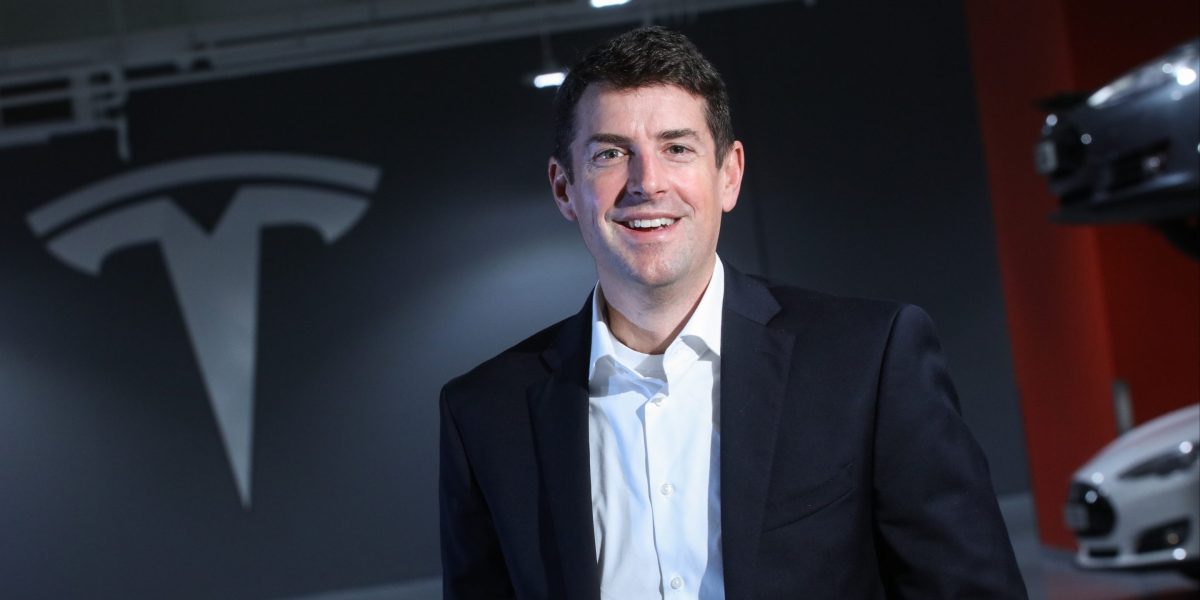
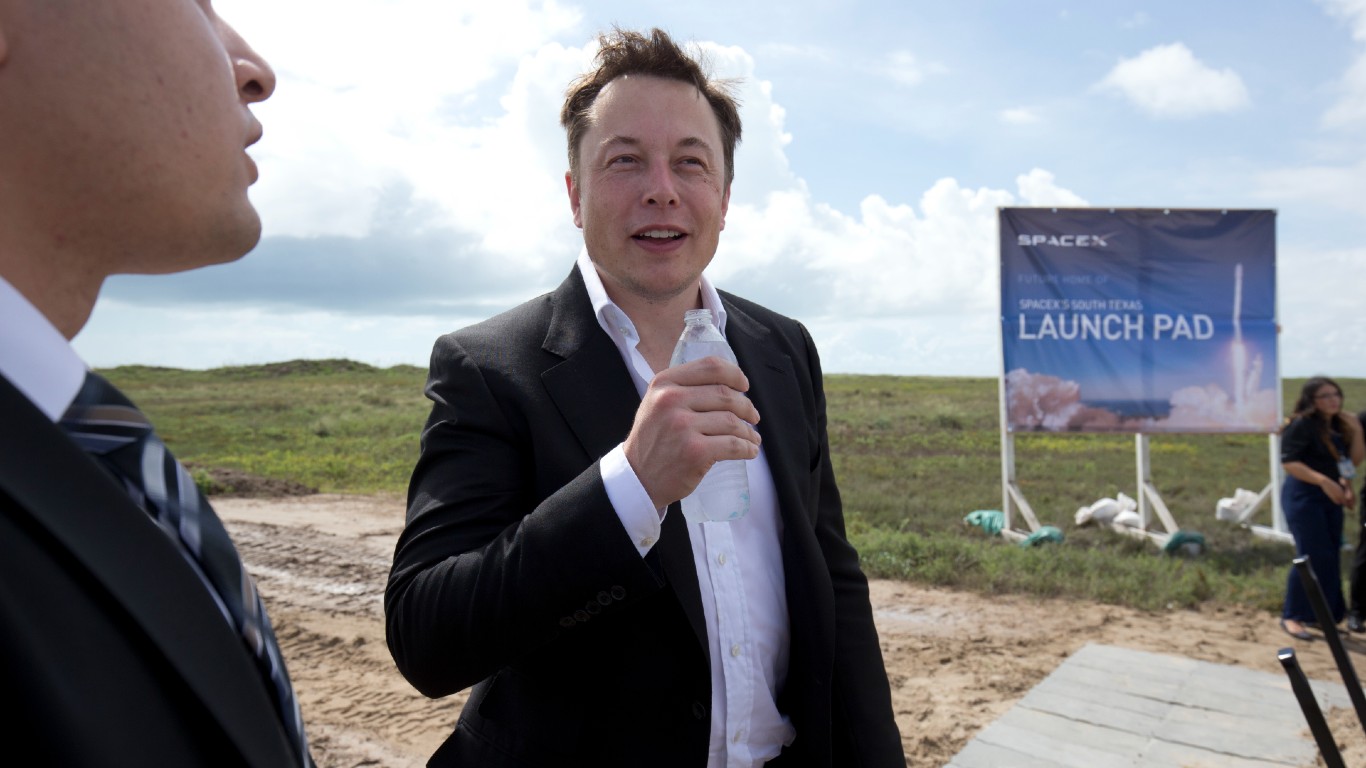
1 week agoFormer Tesla president shares the secret to success he learned from his former boss, Elon Musk: 'He demands to only work with world-class talent' | Fortune
Musk’s success is attributed to a repeatable operating framework focused on questioning requirements, removing steps, simplifying, speeding cycles, and automating last.
Silicon Valley
fromFortune
1 week agoSteve Wozniak says he didn't cofound Apple to 'make money'-he only did it because he was rejected by HP 5 times, and for years his pay was just $50 | Fortune
Wozniak founded Apple to build a personal computer and earn engineer admiration, not to get rich, and urged graduates to take unconventional paths.
#california-politics
Silicon Valley
fromFast Company
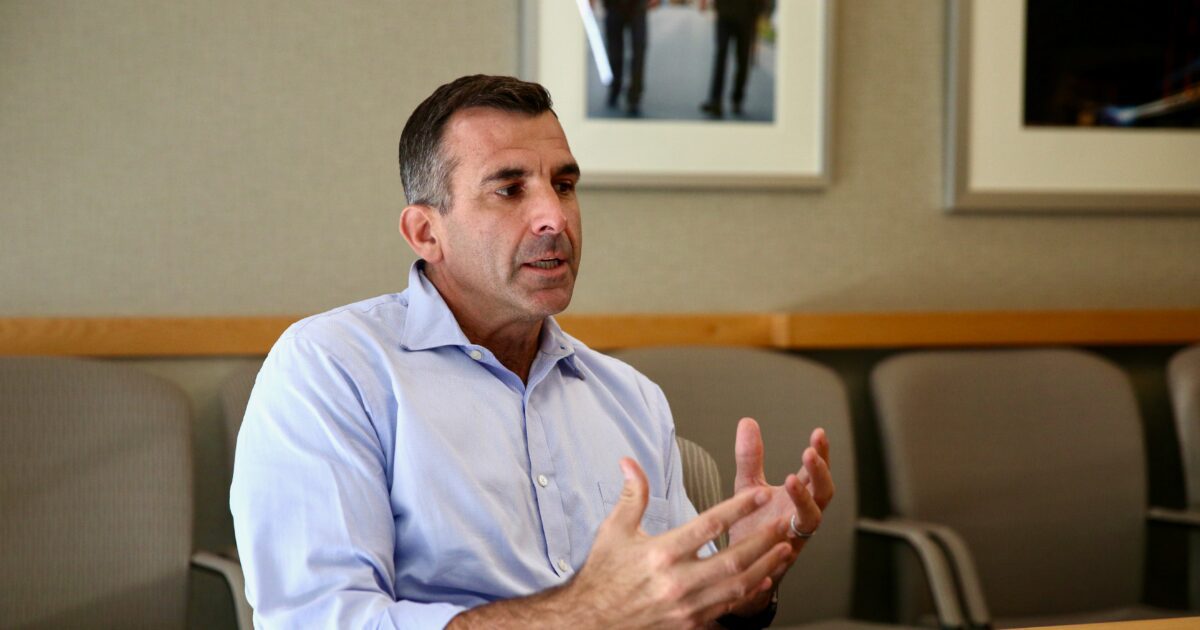
1 week agoSan Jose mayor Matt Mahan wants to prove he's not just another 'Silicon Valley guy.' Will Californians buy it?
A tech entrepreneur running for governor deflected startup questions due to anti-tech sentiment, emphasizing teaching experience to avoid stereotypes.
Silicon Valley
fromLos Angeles Times
1 week agoTech leaders funding Matt Mahan's campaign for California governor say it's not about tech
Matt Mahan’s governor bid is shaped by major Silicon Valley funding, prompting Big Tech and Trump-aligned accusations, while he proposes AI accountability and oversight policies.
fromEntrepreneur
1 week agoThe CEO of the Most Valuable Company in the World Says He 'Absolutely' Wouldn't Start It Again. Here's Why.
“Suppose I knew everything then that I now know - how hard it is and all of the pain and suffering and all the embarrassment and humiliation and all the setbacks,” Huang said, wondering if he would choose to go through it all again. “The answer, absolutely not.”
Silicon Valley
fromwww.aljazeera.com
1 week agoWhy are nearly 50,000 Samsung workers about to strike in South Korea?
Samsung Electronics is facing one of the most serious workers' strikes in its history, with a protest which could affect the overall economy and the group's global supply of semiconductors. The company's workers' union has announced that more than 48,000 workers will stop work on Thursday to protest for 18 days over their bonus payments. Samsung Electronics is a major engine in South Korea's economy, producing revenues equal to about 12.5 percent of the country's gross domestic product (GDP).
Silicon Valley
fromFortune
1 week agoHow a book convinced Arundhati Bhattacharya, one of India's most powerful bankers, to try working for a U.S. tech company | Fortune
“Finance to tech was a move that was never planned,” she tells Fortune. “When this role came about, I sat on it for about five to six months, trying to make up my mind on whether to start in a new area after so many years, and after retiring.”
Silicon Valley
from24/7 Wall St.
1 week agoGoogle and Blackstone Bet $5 Billion on New Newcloud to Challenge CoreWeave
Blackstone ( NYSE:BX | BX Price Prediction) is committing $5 billion in equity capital to a new artificial intelligence cloud venture with Alphabet's ( NASDAQ:GOOG) Google Cloud, according to a Wall Street Journal report. The figure represents Blackstone's equity contribution alone. Total compute investment could reach $25 billion once debt financing is layered in, per Bloomberg. The $5 billion is a committed equity figure, not reported revenue or earnings.
Silicon Valley
Silicon Valley
fromEngadget
1 week agoProject Genie adds Google Street View integration and goes live for global AI Ultra users - Engadget
Project Genie creates 60-second explorable snow-globe worlds from prompts and can generate interactive landscapes grounded in real-world Google Maps locations via Street View.
[ Load more ]