#sicilian-immigration
#sicilian-immigration
[ follow ]
#italian-american-cuisine #italian-cuisine #new-york-city #immigration #food-culture #local-favorites

.jpg)
fromThe Atlantic
5 days agoI Found It: The Best Free Restaurant Bread in America
The first type of American: people who joyride the day's updrafts like marvelous, glossy crows. They easily recall the locations of treats encountered over their lifetime. They answer this question Glock-shot fast, as if they have been waiting to be asked it. They are happy.
NYC food
#italian-cuisine

Cooking
fromConde Nast Traveler
1 month agoThe Best Meatballs Do Not Exist, and Other Lessons I Learned in Italy
Ella Quittner traveled to Italy to learn authentic meatball and prosciutto preparation techniques from local experts, discovering that culinary perfection is subjective rather than absolute.
Food & drink
fromTasting Table
2 months agoWhy Italian Chain Restaurants In The US Don't Provide Truly Authentic Tastes Of Italy - Tasting Table
Italian chain restaurants cannot truly be authentic because Italian cuisine is regionally diverse and U.S. chains flatten distinct regional traditions into a homogenized menu.


fromwww.amny.com
1 month agoNYC turns green for Irish pride at 265th annual St. Patrick's Day Parade on 5th Avenue | amNewYork
St. Patrick was a missionary. He came to spread faith and goodness, and he did so in an incredible way. He planted the seeds of faith, and we are seeing those seeds still alive and flourishing today. He is not only a saint of the past, but a living presence in our hearts—and that's what we're celebrating today.
NYC LGBT
Philosophy
fromThe Conversation
1 month agoHow the Emerald Isle shaped the Steel City - Pittsburgh's rich Irish history
Pittsburgh's Irish population, now 11-16% of residents, grew through 18th-century immigration and massive 19th-century famine migration, fundamentally shaping the city's institutions and culture.
fromenglish.elpais.com
1 month agoThe shattered dream of migrating to the US and the odyssey of returning: I was in jail for four months. That's the only way I got to know New York'
Laime Arold, a 26-year-old Haitian, buys energy bars at a small shop on the side of the Pan-American Highway in southern Chiapas, Mexico. Jose Adan, a Honduran, prays aloud in a park in Tapachula, asking God to protect him from kidnappers and the police along the way. Gerardo Aguilar, a Venezuelan, travels at 60 miles per hour, lying across two seats on a bus headed for Guatemala. The three all have something in common: they are in Mexico and they are migrants. None of them are heading north. They are heading south.
Miami food
US Elections
fromBuzzFeed
1 month agoFormer US Residents, Tell Us Why You Left And Your Unfiltered Thoughts About America Right Now
Record numbers of Americans are leaving the country, citing exhaustion from financial stress, lack of work-life balance, inadequate healthcare, and political polarization compared to better social systems abroad.
fromPatchogue, NY Patch
1 month agoWhere To Find Green Bagels For St. Patrick's Day 2026
Green bagels are not native to Ireland, or really anywhere for that matter, but, just like Corned Beef and Cabbage, they have become a festive staple around St. Patrick's Day on Long Island. Not everyone sells them, and if you have a hankering for one, you should call ahead and make sure they are in stock.
Berlin food
NYC food
fromEater NY
1 month agoNo Slowdown for the New York Slice
Three popular New York pizzerias expand with new locations: L'Industrie opens in Little Italy, See No Evil Pizza launches a Greenwich Village slice shop, and Paulie Gee's debuts two employee-owned venues in the East Village and Gowanus.
LA food
fromTasting Table
1 month ago100 Years Ago, This Italian Deli Began Its Rise As A Southern California Landmark - Tasting Table
Bay Cities Italian Deli & Bakery, founded in 1925 and located in Santa Monica since the 1970s, remains Los Angeles's oldest Italian deli with unchanged recipes and a legendary Godmother sandwich.
Chicago
fromTasting Table
1 month agoThis Cozy Italian Restaurant Is A Suburban Chicago Favorite For Comfort Food - Tasting Table
Enzo & Lucia in Long Grove offers authentic Italian cuisine rooted in Northern and Southern Italian family recipes, providing suburban diners with exceptional regional Italian dishes beyond Chicago's city limits.
Silicon Valley food
fromAol
1 month agoThe Origin Story Of New York City's Notorious Italian Sub, The Bomb
The Bomb, a signature hero sandwich from Sal, Kris & Charlie's Deli in Queens, remains the most popular item decades after its creation from a customer's spontaneous request for a heavily-stacked sub.
NYC politics
fromTime Out New York
1 month agoSee portraits of immigrant New Yorkers at this unlikely ferry terminal
A pop-up photo exhibition at Staten Island Ferry Terminal showcases portraits of immigrant New Yorkers working across the city, highlighting their essential contributions to New York's cultural and economic life.
NYC food
fromTravel + Leisure
1 month agoI'm a New Yorker and I Travel to This U.S. State for the Best Pizza in the Country
New Haven's coal-fired pizza tradition transformed a lifelong pizza skeptic into an enthusiast through superior crust quality, charred texture, and authentic Italian tomato flavor.
fromwww.theguardian.com
2 months agoVenezuelan immigrants enliven midwest food and culture now DHS wants to send them home
At first we didn't believe it. We thought it might be AI. But then everybody we know started reaching out about the news. It's only in our dreams that this would be true, Juan says. I feel joy, and ignorance, because I don't know exactly what could be happening there nor do I know is it absolutely positive.
US politics

fromHyperallergic
1 month agoEveryday Traces of NYC's SWANA Diaspora
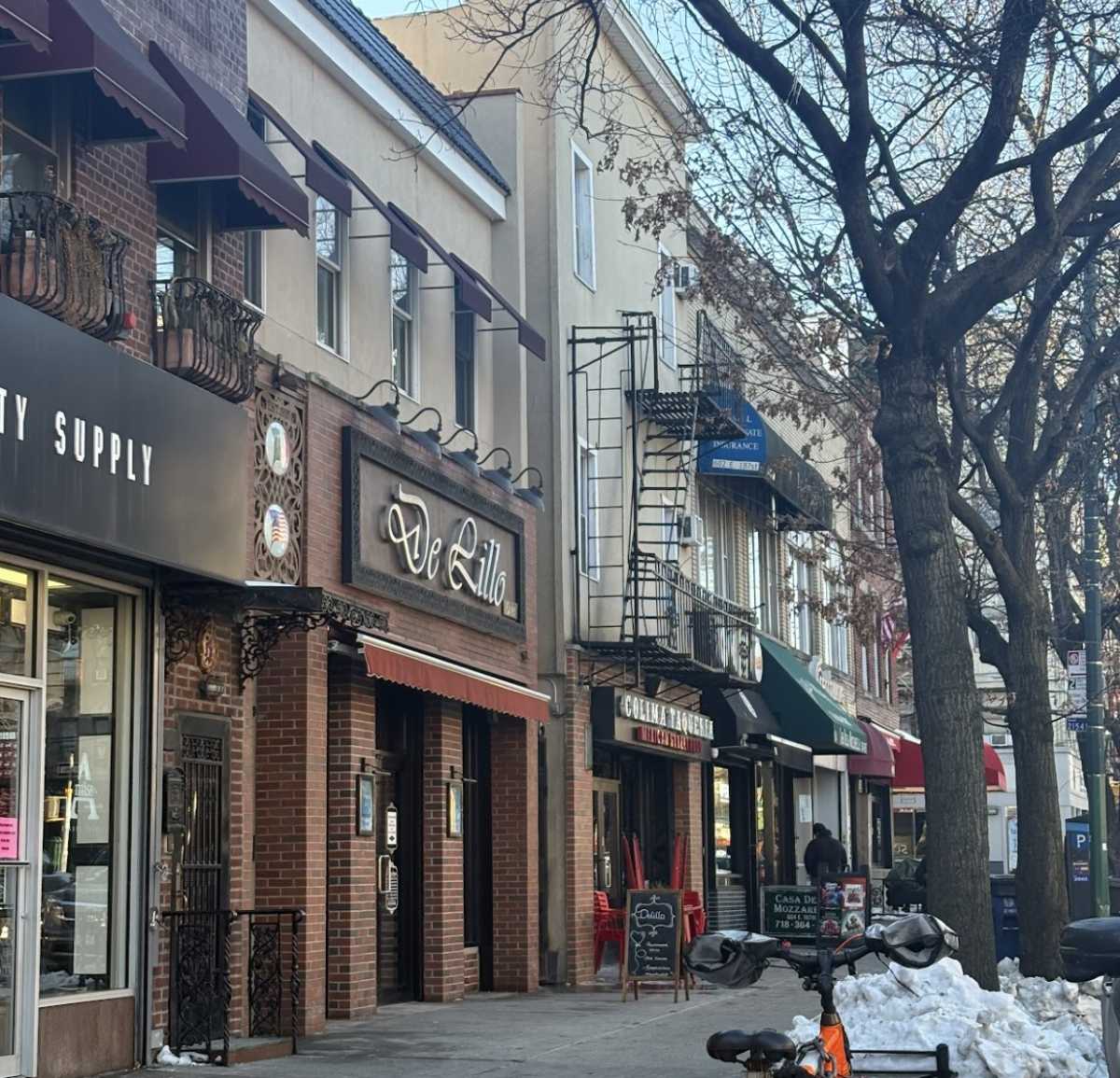
Unlike virtually all other non-European ethnicities, SWANA - or Middle Eastern/North African (MENA), as used in the show - is grouped under "White" on the US census. It's not just the census, though. It's medical forms, college applications, just about anything with a check box for ethnicity. Efforts have been made to change this, with some success. More institutions are adding a separate category on forms - and one might appear on the 2030 census.
Arts
fromwww.bonappetit.com
2 months agoAll the Recipes From Bon Appetit's Italian American Issue
Start with our cover star, food director Chris Morocco's one-hour bolognese that uses a pantry shortcut, Chinese black bean sauce, to kick up the umami. Then make his Green Chile Puttanesca Pork Chops where jarred jalapenos and guindillos offer buzzy heat and brightness to counterweight the rich meat. Senior Test Kitchen editor Shilpa Uskokovic also shared wintry vegetable dishes that can stand on their own.
Cooking
Miscellaneous
fromenglish.elpais.com
2 months agoTrapped in Europe's largest migrant settlement: The forces sustaining Italy's informal economy
An informal settlement near Foggia, Borgo Mezzanone houses thousands of undocumented migrants living without basic services while providing cheap agricultural labor.
Relationships
fromSilicon Canals
1 month ago9 things Irish-American families did every Sunday in the 1970s and 80s that cost nothing and built the kind of loyalty that modern family life struggles to replicate - Silicon Canals
Regular shared family rituals and community gatherings create lasting bonds and accountability that modern scattered schedules struggle to replicate.
fromSlate Magazine
2 months agoIt's an Offer Irresistible to Many Young Americans. Unfortunately, I Looked Into It.
Jayla never thought she'd buy a house pretty much sight unseen, much less one off the coast of Italy. The 25-year-old Florida native, who asked to use only her first name, had first come across an offer for a "1 euro house" in Europe in November 2024, shortly after Donald Trump won reelection. She was naturally skeptical, but sent some emails anyway. At first, it didn't go anywhere: "I kind of forgot about it because no one responded," she told me.
Renovation


fromwww.theguardian.com
2 months agoUS restaurants targeted for opposing ICE: I refuse to cook for fascists'
Amid calls for a national shutdown on 30 January, Anton Kinloch displayed a sign on the sidewalk outside Lone Wolf, his craft cocktail bar and restaurant in Kingston, New York. In large block letters he wrote: WE LOVE ICE IN DRINKS. WE DON'T LOVE ICE IN REAL LIFE. SOLIDARITY ALWAYS. Along with his wife and business partner Lisa Dy, he'd made the difficult decision to stay open, electing instead to donate a portion of the night's proceeds to a local immigrant advocacy group.
US politics
fromTravel + Leisure
1 month agoThese Are the 10 Types of Restaurants You'll Find in Italy-and Why You Need to Know the Difference
Historically speaking, an osteria was a spartan, no-frills establishment where people would go to have a drink. The original osterias date all the way back to the Roman Empire. If you go to Ostia Antica or Pompeii, you find the osterias of the era. They were like bed-and-breakfasts, with rooms for rent above the dining room where people could listen to music.
Dining
US politics
fromIndependent
2 months ago'It's become urgent now': the Irish people returning home from the US in the shadow of Trump's immigration crackdown
Diaspora communities are losing previously assumed security as plans for large-scale, forceful deportations threaten immigrants and their networks.

NYC food
fromEater NY
1 month agoWhere To Find New York City's Best Spice Bags - the Irish Chinese Takeout Classic
The spice bag, originating from a Dublin Chinese restaurant in the early 2000s, has become a beloved late-night takeaway across Ireland and the UK, featuring fried chicken, chips, peppers, onions, and curry gravy with creative variations appearing in upscale establishments.
Food & drink
fromTasting Table
2 months agoStop Serving Bland Side Dishes When This Spicy Chicago-Style Condiment Exists - Tasting Table
Chicago-style giardiniera is a spicy, tangy pickled vegetable condiment from Italian immigrants, commonly used on sandwiches, hot dogs, deep-dish pizza, and many dishes.
[ Load more ]