#russian-fossil-fuels
#russian-fossil-fuels
[ follow ]
#oil-prices



World news
fromLondon Business News | Londonlovesbusiness.com
1 day agoOil dip masks looming supply crunch as Gulf disruption works through system - London Business News | Londonlovesbusiness.com
Oil prices are influenced by sentiment, but real supply strain is due to delays in global supply chains and geopolitical tensions.
fromwww.theguardian.com
4 days agoExplosives found near pipeline likely a Russian provocation', says military expert
Calculations made by Andromeda showed the 4kg of explosives recovered by Serbia's military security agency could not have seriously ruptured the pipe. Four kilograms is not sufficient to put the gas pipeline to a standstill.
Europe politics
fromLondon Business News | Londonlovesbusiness.com
6 days agoMiddle East oil and gas recovery faces months-long process despite ceasefire - London Business News | Londonlovesbusiness.com
A 'workable system' of transit and shipowner confidence in the security of the transiting vessels is essential. This includes availability of insurance for transiting vessels, facilitating commercial trade financing, and sustained outbound vessel transits through the Strait of Hormuz.
Environment
fromwww.aljazeera.com
1 day agoEnergy prices rise despite Jones Act suspension by Trump
Shipping costs have increased by more than 10 percent in the past month due to the US-Israel war on Iran. The 60-day waiver for the Jones Act aimed to lower energy costs but has had little impact on oil prices, which continue to rise amid the ongoing conflict.
World news
#bp
Business
fromLondon Business News | Londonlovesbusiness.com
1 day agoBP signals trading windfall as oil volatility surges on Middle East tensions - London Business News | Londonlovesbusiness.com
BP anticipates exceptional performance in oil trading due to heightened market volatility, despite challenges in upstream production and rising net debt.
Business
fromLondon Business News | Londonlovesbusiness.com
1 day agoBP signals trading windfall as oil volatility surges on Middle East tensions - London Business News | Londonlovesbusiness.com
BP anticipates exceptional performance in oil trading due to heightened market volatility, despite challenges in upstream production and rising net debt.
#russia
Russo-Ukrainian War
fromFortune
2 weeks agoRussia was expecting a windfall from soaring oil prices, but relentless Ukrainian drone attacks are devastating nearly half its export capacity | Fortune
The U.S. war on Iran initially boosted Russian oil revenues, but Ukraine's drone attacks severely disrupted Russia's oil export capacity.



UK politics
fromLondon Business News | Londonlovesbusiness.com
4 days agoThis 'abysmal' government will not seize Russian tankers over 'pathetic' legal fears - London Business News | Londonlovesbusiness.com
The UK Government hesitates to deploy the Royal Navy against Russian tankers due to fears of breaching international law.
Environment
fromwww.theguardian.com
2 weeks agoAsia ramps up use of dirty fuels to cover energy shortfall triggered by Iran war
Asian governments are increasing coal use to address energy shortages caused by geopolitical conflicts, raising environmental concerns and calls for renewable energy investment.
#strait-of-hormuz


World news
fromIrish Independent
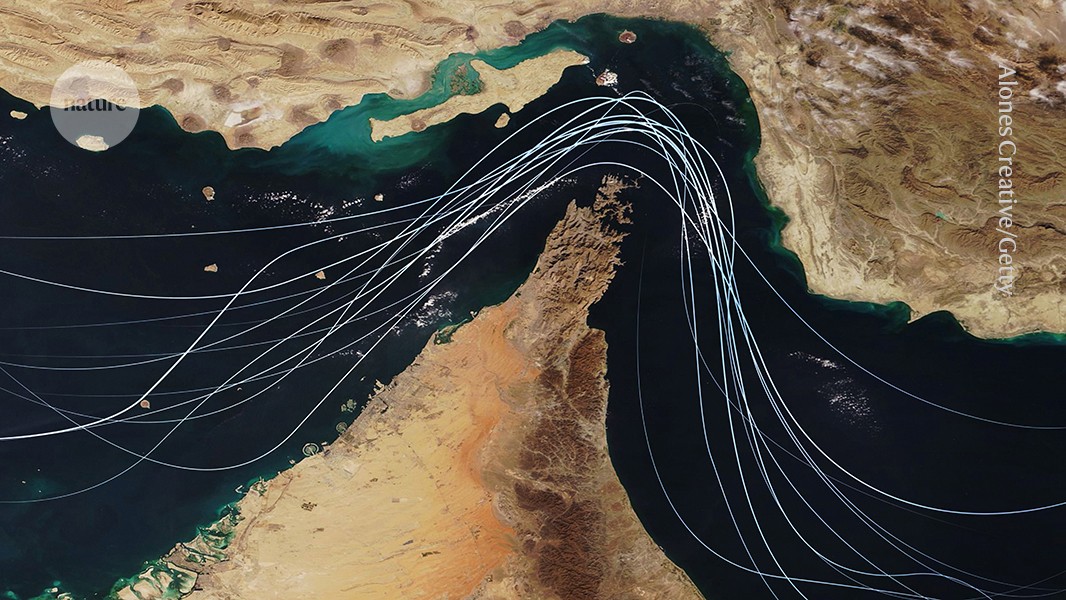
1 week agoEU warns it's 'preparing for worst scenarios' and assessing 'all possibilities' including fuel rationing as energy crisis deepens
Tehran plans to charge for passage through the Strait of Hormuz, aiming to ensure safe navigation amid rising tensions with the US.



#iran-war



World politics
fromwww.theguardian.com
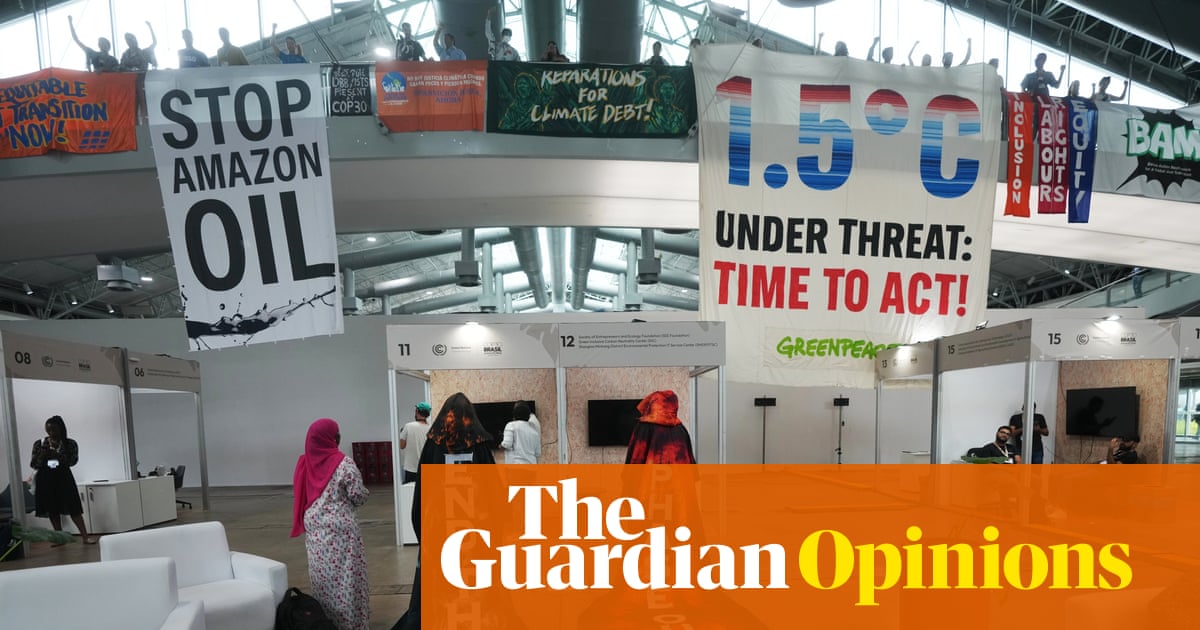
1 week agoA new economic superpower could spark a global retreat from fossil fuels | Mark Hertsgaard and Kyle Pope
The Iran war exacerbates climate change by increasing fossil fuel reliance and greenhouse gas emissions, highlighting the urgent need for a transition to sustainable energy.
World politics
fromLondon Business News | Londonlovesbusiness.com
6 days agoMiddle East energy shock could reshape global system by 2050 - London Business News | Londonlovesbusiness.com
Prolonged disruption to Middle East energy supplies could halve oil and gas import dependence by 2050, shifting demand towards electrification and renewables.
fromThe American Conservative
1 month agoWhite House Lifts Some Sanctions on Russian Oil
A Treasury Department general license will allow the sale of about 128 million barrels of Russian oil already loaded onto tankers previously sanctioned by Washington. The authorization lasts 30 days. Treasury Secretary Scott Bessent said the move would let countries buy Russian oil "currently stranded at sea" to expand global supply.
Right-wing politics
fromwww.aljazeera.com
1 month agoMoscow sees significant rise in demand for Russian oil, gas amid Iran war
We are seeing a significant increase in demand for Russian energy resources in connection with the war in Iran. Russia has been and remains a reliable supplier of both oil and gas including pipeline gas and liquefied natural gas, and it also remains capable of guaranteeing the continuity of all deliveries for which contracts have been concluded.
Miscellaneous
World news
fromLondon Business News | Londonlovesbusiness.com
6 days agoShell cuts gas outlook after Middle East attacks hit Qatar supply - London Business News | Londonlovesbusiness.com
Shell has reduced its gas production forecast for Q1 2026 due to disruptions from Middle East conflict affecting operations in Qatar.
fromLondon Business News | Londonlovesbusiness.com
1 week agoGeopolitical tensions and energy volatility shape global markets - London Business News | Londonlovesbusiness.com
Major indices, including the Nasdaq Composite, S&P 500, and Dow Jones Industrial Average, all recorded gains, with the Nasdaq delivering its strongest weekly performance since November.
Europe news
Russo-Ukrainian War
fromLondon Business News | Londonlovesbusiness.com
1 month agoExplosions rock Russia's largest crude transhipment points amid a Ukrainian drone attack - London Business News | Londonlovesbusiness.com
Ukrainian drones attacked the Tikhoretsk Oil Hub in southern Russia, causing a major fire at a critical crude oil transshipment facility linked to Black Sea port exports.
World politics
fromLondon Business News | Londonlovesbusiness.com
1 week agoCrude oil between geopolitical escalation and dollar pressure - London Business News | Londonlovesbusiness.com
Geopolitical factors and monetary conditions are significantly influencing global oil prices, reflecting uncertainty rather than traditional supply and demand.
fromwww.aljazeera.com
6 days agoEmpty ships and shut wells: Why the Iran war oil crisis is not over yet
After 40 days of fighting, the United States and Iran agreed to a two-week ceasefire, with negotiations expected to begin in Islamabad. One key point in Iran's proposal is allowing shipping to resume through the Strait of Hormuz, which has been closed since the war began, causing global oil prices to soar.
World news
fromLondon Business News | Londonlovesbusiness.com
3 weeks agoPutin hit 'with a significant blow' as Russia's largest oil terminal on fire - London Business News | Londonlovesbusiness.com
The fire at Primorsk is a significant blow to Russia's oil export capacity. Even a brief shutdown could create significant ripple effects throughout the global energy markets, introducing increased volatility and uncertainty that could affect consumers and businesses alike.
Europe news
fromLondon Business News | Londonlovesbusiness.com
2 months agoEU reaches deal on Russian gas ban starving Putin of his blood money - London Business News | Londonlovesbusiness.com
"agreement is a long-overdue step toward dismantling one of the Kremlin's most powerful economic weapons. Every cubic meter of Russian gas kept flowing into Europe has helped finance the missiles that strike Ukrainian cities. This Regulation, if implemented without loopholes, brings Europe closer to honouring its promise to end this deadly dependency."
Miscellaneous
fromwww.theguardian.com
1 month agoRussia earned 6bn from fossil fuel exports since start of Iran war, data suggests
When markets panic, authoritarian exporters cash in. In less than two weeks, Russia has earned an estimated 6bn from fossil fuel exports, money that ultimately feeds the Kremlin's war machine. Easing sanctions now would not stabilise markets. What it would do is allow Russia to sell the same oil for a far better price.
World politics
fromwww.aljazeera.com
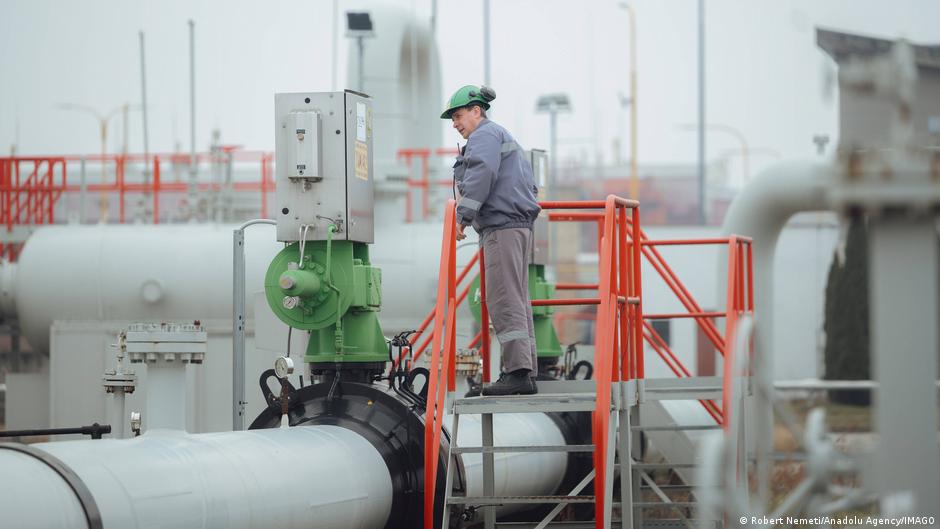
1 month agoWho wins and loses in the global energy crisis?
The war in the Middle East is exposing how dependent the world is on a handful of strategic chokepoints. The Strait of Hormuz a narrow waterway in the Gulf is closed. The longer this goes on, the faster the global energy map could be reshaped.
World politics
[ Load more ]