#precision-pen
#precision-pen
[ follow ]
#3d-printing
Graphic design
fromYanko Design - Modern Industrial Design News
5 days agoThis Resin 3D Printer Packs 14K Resolution and Auto-Tool Release, Giving You Sharper Prints Without The Mess - Yanko Design
YIDIMU's MagPro resin printer features a one-click auto-release mechanism, eliminating the need for scrapers and enhancing the printing experience.
fromYanko Design - Modern Industrial Design News
1 day ago5 Best EDC Drops for April 2026 That Are Actually Worth the Pocket Space - Yanko Design
The Pocket Grip is proof that the best ideas don't expire - they wait for the manufacturing era that can do them justice. MetMo pulled a 1913 Anderson patent from near-total obscurity and rebuilt the concept from scratch using CNC machining and modern metallurgy.
Gadgets
fromThe Verge
4 days agoThe creative software industry has declared war on Adobe
All empires eventually fall, and it seems the creative software industry has collectively decided that Adobe's time has come. The Creative Cloud provider's suite of design tools have been considered the industry standard for decades.
Graphic design
fromYanko Design - Modern Industrial Design News
6 days agoThis 'Immortal' EDC Pen Spent 24 Hours Underwater, And Still Wrote Continuously For 1,500 Meters - Yanko Design
Thomas Slim immersed their new EDC fountain pen in water for 24 hours, pulled it out, and it wrote immediately. They dropped both the fountain pen and rollerball versions fifteen times from one metre onto concrete, and aside from minor ink on the nib face, both kept writing without issue.
Typography
fromChrbutler
1 week agoCraft is Untouchable - Christopher Butler
Craft is often defined as skill in making things by hand, but this interpretation is being challenged by AI. Craft transcends physical interaction; historical figures like Mozart and Beethoven exemplify mastery without traditional methods.
Intellectual property law
Graphic design
fromYanko Design - Modern Industrial Design News
5 days agoDwarf Factory's Hyper-real 4/20 Resin Keycaps Are Handcrafted Miniature Gardens You Can Type On - Yanko Design
Dwarf Factory creates detailed miniature keycaps, including the Rasta Jardin collection, featuring hand-painted plants encased in resin for keyboard aesthetics.
#design


UX design
fromYanko Design - Modern Industrial Design News
3 days agoDorica Just Proved Good Design Belongs on Your Kitchen Counter - Yanko Design
Sebastián Ángeles' Prea collection focuses on everyday objects that blend functionality with understated design, emphasizing longevity and material honesty.
Psychology
fromSilicon Canals
3 weeks agoPsychology suggests if you still write things down on paper instead of your phone you aren't resisting progress - you've found something that works and are practicing the increasingly rare skill of not replacing it simply because something newer arrived, and that skill, applied consistently, turns out to predict a surprising number of other things about how you make decisions - Silicon Canals
Handwriting enhances cognitive engagement and memory retention compared to typing, leading to better decision-making and creativity.
Typography
fromYanko Design - Modern Industrial Design News
3 weeks agoThe EDC Pen Reinvented: Lumink's Titanium Fountain Pen Folds, Writes, and Lasts a Lifetime - Yanko Design
Lumink combines portability and functionality in a titanium fountain pen that transforms from pocket size to full length quickly.
Digital life
fromSilicon Canals
1 month ago7 things that changed when I stopped letting apps do my thinking and started writing everything out by hand - Silicon Canals
Handwriting engages multiple brain regions simultaneously, creating stronger neural pathways and significantly improving memory retention compared to digital note-taking.

UX design
fromYanko Design - Modern Industrial Design News
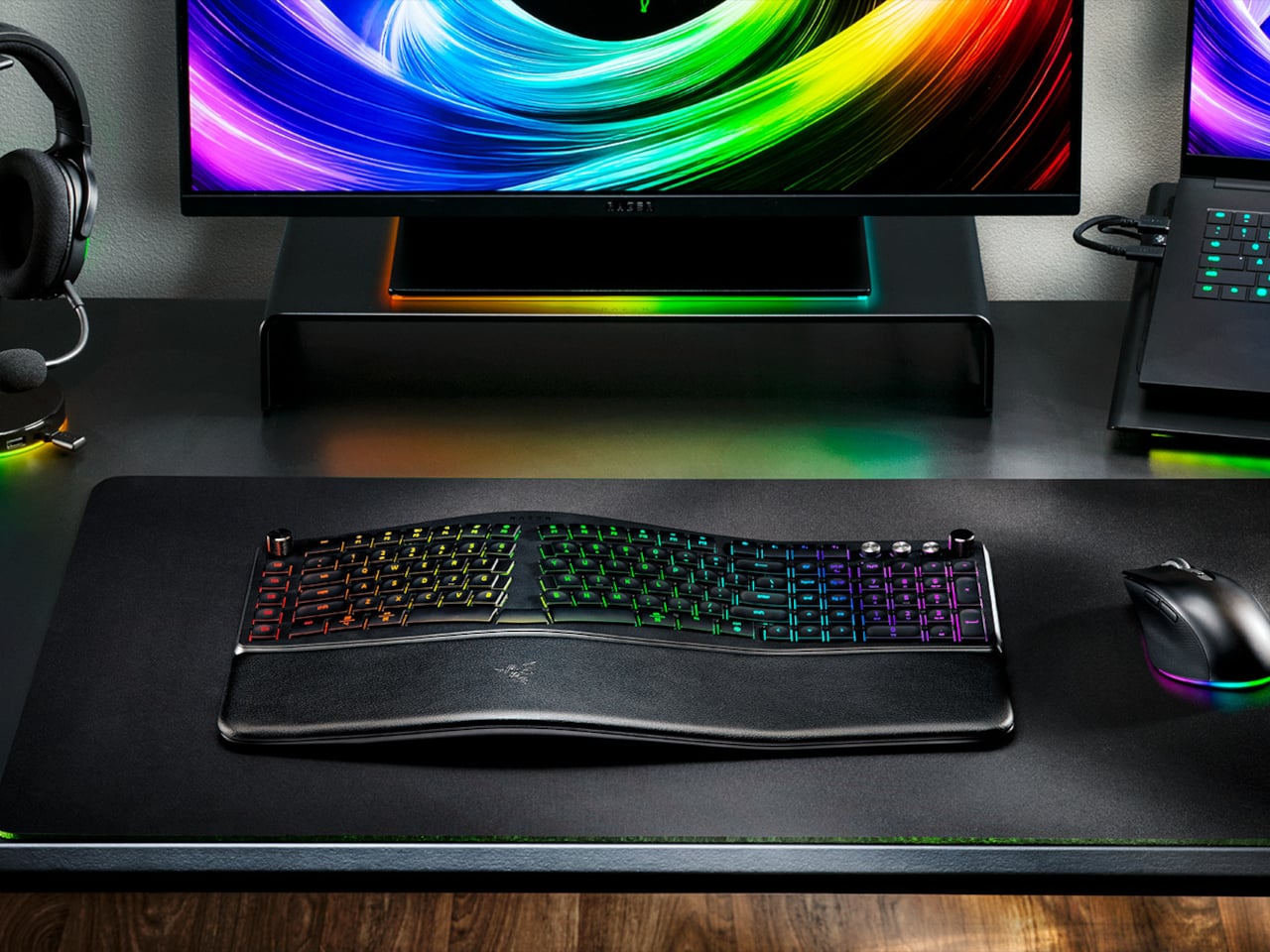
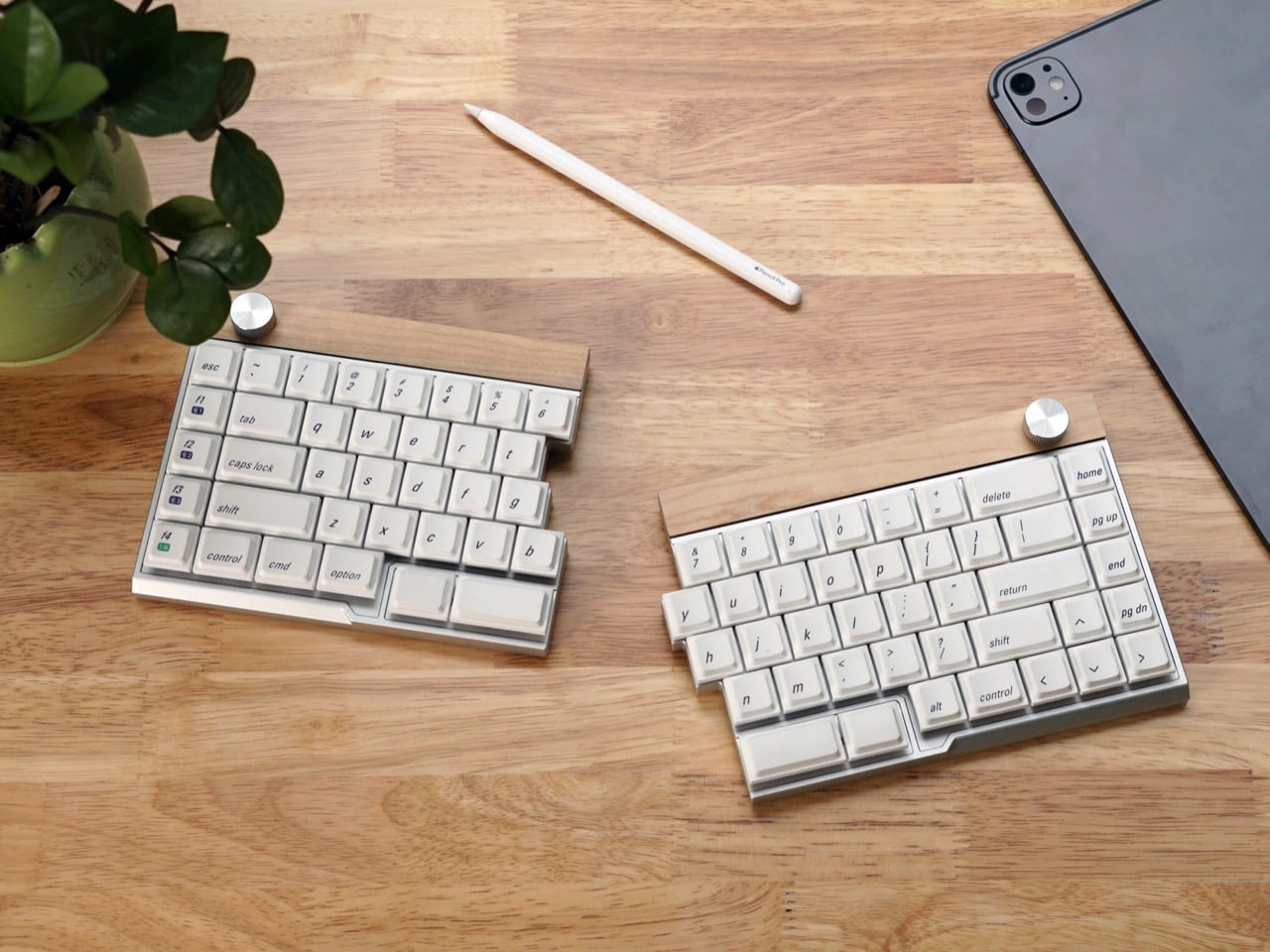
2 weeks ago8 Best Desk Gadgets Every Digital Nomad Quietly Keeps in Their Bag & Finally Deserves a Permanent Home - Yanko Design
Digital nomads curate essential tools that transition from travel to a permanent workspace, enhancing both functionality and personal connection.
Typography
fromYanko Design - Modern Industrial Design News
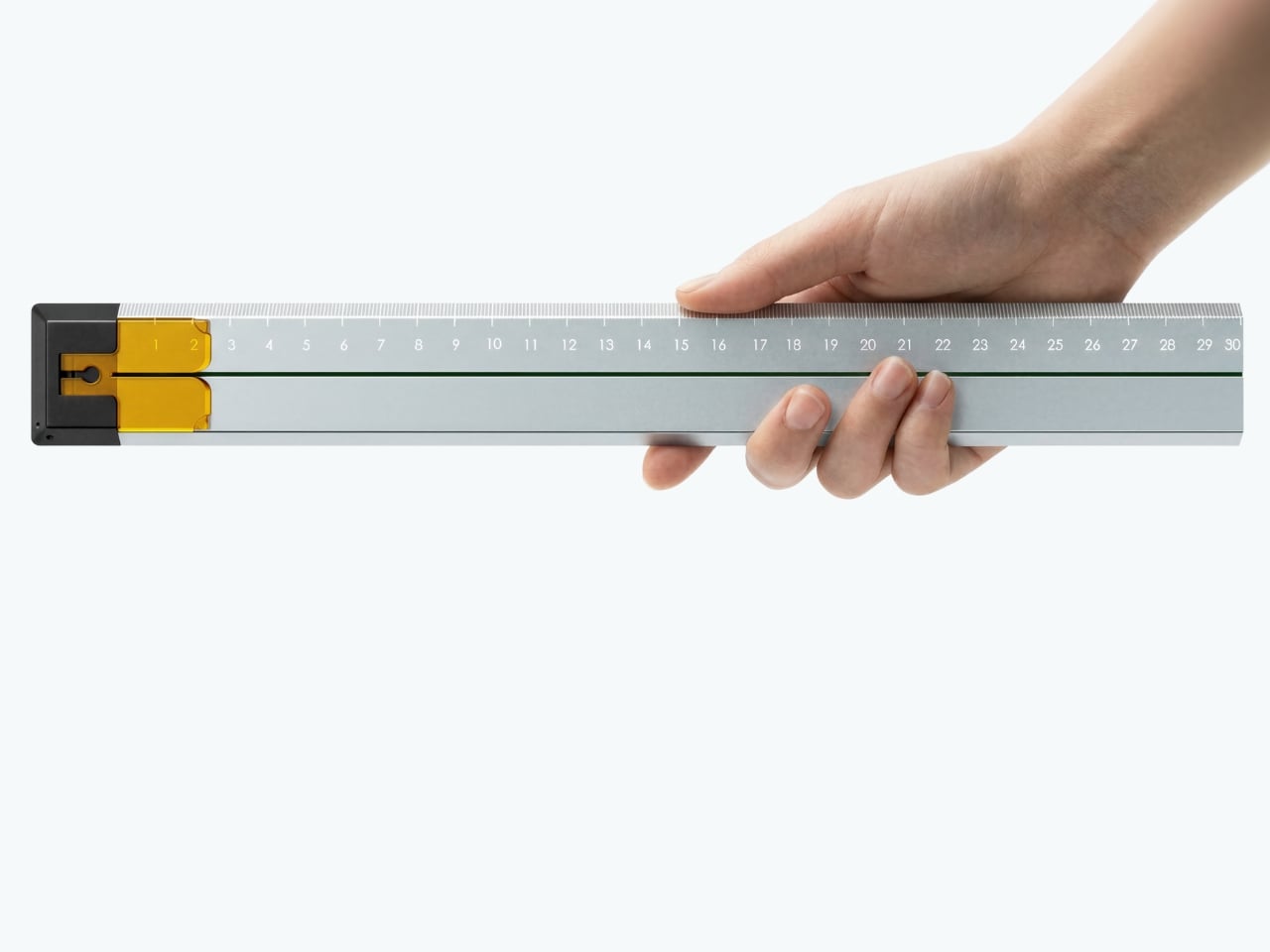
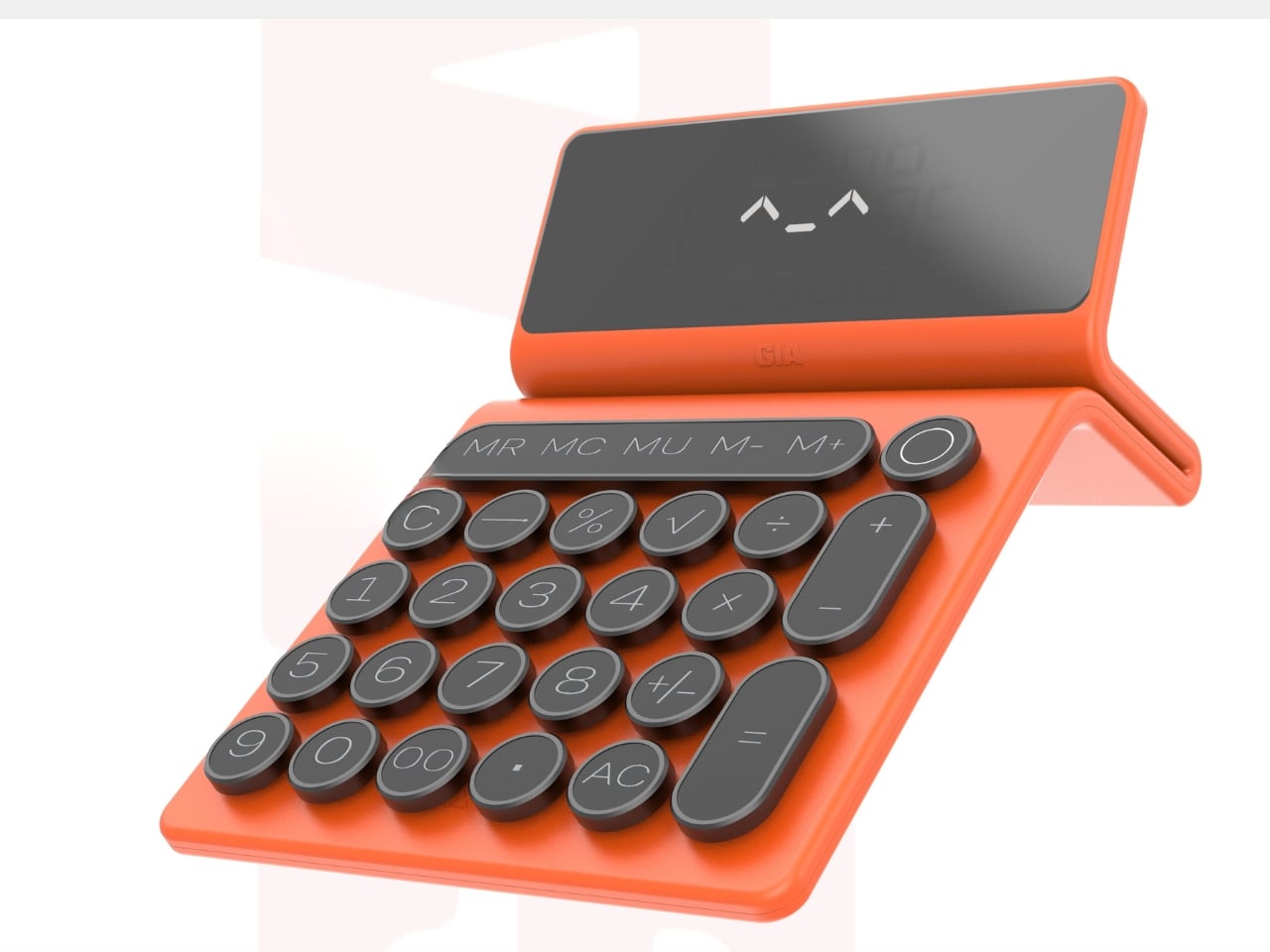
1 month ago8 Best Japanese Stationery Finds So Clever You'll Question Why the Rest of the World Even Bothers - Yanko Design
Japanese stationery applies precision engineering to everyday writing tools, solving friction points others accept as normal through thoughtful design details.
Typography
fromYanko Design - Modern Industrial Design News
1 month agoSomeone Finally Made Metal Keycaps for Low-Profile Keyboards - Yanko Design
Awekeys Air low-profile metal keycaps made from recycled cupronickel address the aesthetic and durability limitations of plastic keycaps in mechanical keyboards.
UX design
fromYanko Design - Modern Industrial Design News
4 weeks agoYour Light Switch Is the Worst-Designed Thing in Your House. Inkslab Offers An Alternative - Yanko Design
Inkslab panel series transforms wall switches into a visually striking interface using irregular polygonal designs inspired by classical Suzhou gardens.
fromv buckenham
2 months agoSome thoughts about tool design and AI
The normative form for interacting with what we think of as "AI" is something like this: there's a chat you type a question you wait for a few seconds you start seeing an answer. you start reading it you read or scan some more tens of seconds longer, while the rest of the response appears you maybe study the response in more detail you respond the loop continues
Artificial intelligence
Productivity
fromSilicon Canals
2 months agoMy most effective work tool isn't on my computer-it's a device designed for cooking - Silicon Canals
A kitchen timer enables focused, distraction-free work by providing a simple, single-purpose tactile cue that increases commitment during timed work sessions.
Graphic design
fromYanko Design - Modern Industrial Design News
1 month agoStop Hunting for 4 Tools: This Designer's Multitool Does It All - Yanko Design
STRIA integrates four essential design tools—tape measure, ruler, caliper, and utility knife—into one handheld device to eliminate workflow interruptions and maintain creative focus during model-making.
fromYanko Design - Modern Industrial Design News
1 month agoForget Smart Pens. This Titanium Fidget Pen Writes, Clicks, Spins, and Delights. - Yanko Design
SPINNX takes that secondary life and makes it the whole point. Built by WEIWIN out of aerospace-grade titanium and held together by magnets, the pen separates into three modules that each deliver a distinct tactile sensation. Snap them together and there's a crisp magnetic click. Press the spring-loaded ball in the middle and it gives you another one. Spin the dice top and it rotates through a series of rhythmic mechanical detents.
Gadgets
Gadgets
fromYanko Design - Modern Industrial Design News
2 months agoThis Pocket Titanium Ruler Has a Level, Protractor, and Pen Built In - Yanko Design
A pocket-sized titanium 9-in-1 MegaRuler provides precision infinite-extension lines, stable parallels, angles, levels, magnets, and a built-in pen for diverse makers.
Gadgets
fromYanko Design - Modern Industrial Design News
2 months agoForget bulky Leathermans, this minimalist Pockitrod multitool pen is built for modern EDC - Yanko Design
A modular, pen-shaped multitool built from anodized 6061-T4 aluminum combines threaded O-ring connections, interchangeable modules, and ruler markings for durable, pocketable utility.
fromYanko Design - Modern Industrial Design News
2 months ago10 Best Japanese Stationery Items Under $100 Planners Obsess Over - Yanko Design
The stationery world has long looked to Japan for innovation, and planning enthusiasts know this better than anyone. Japanese design philosophy brings together minimalism, functionality, and thoughtful engineering to create tools that transform mundane tasks into moments of creative joy. These aren't just accessories that sit pretty on your desk. They're carefully crafted instruments that respect your workflow, elevate your planning rituals, and make every stroke of the pen feel intentional.
Gadgets
Gadgets
fromYanko Design - Modern Industrial Design News
2 months agoThis Reciprocating Detail Sander Works on Detailed Projects like Gundam Kits, Wood, and Jewelry - Yanko Design
NeoSander is a palm-sized, cordless linear-motor detail sander delivering up to 13,000 SPM and adjustable stroke for precise, low-vibration finishing in tight spaces.
UX design
fromYanko Design - Modern Industrial Design News
1 month agoThe First Screwdriver With an Open-Source Handle You Redesign Yourself - Yanko Design
A modular screwdriver with a titanium spine and customizable grip allows users to personalize tool design rather than accepting standardized ergonomic assumptions.
Gadgets
fromdesignboom | architecture & design magazine
2 months agoold typewriter comes back as functional 'gaming' computer that slides to the side
An old mechanical typewriter is converted into a functional gaming computer that physically slides to the side with each keystroke while preserving vintage mechanisms.
Gadgets
fromYanko Design - Modern Industrial Design News
2 months agoA mechanical LEGO Typewriter that types using Gravity, not ink - Yanko Design
Working LEGO typewriter mechanically places LEGO letter tiles onto a baseplate using gravity, rubber bands, and hoppers to simulate typing within compact LEGO constraints.
Gadgets
fromYanko Design - Modern Industrial Design News
2 months agoStop Ruining Your Chisels: This Sharpening Kit Locks Angles Every Time - Yanko Design
EdgeForm mechanically locks the sharpening angle and stabilizes the stroke to deliver repeatable, precise sharpening using modular plates, rollers, and clamps.
fromYanko Design - Modern Industrial Design News
2 months agoThis $400 Wooden Keyboard Goes Through Over 15 Hand-Finishing Steps Before You Can Type On It - Yanko Design
Tech moves fast, breaks things, ships updates, iterates. The entire industry is built on the assumption that this year's product will be obsolete by next year, and that's fine because next year's version will be better anyway. Then you see someone in Fukui Prefecture spending twenty minutes hand-sanding a single wooden keyboard key, checking it by touch, and the whole paradigm feels suddenly optional.
Gadgets
fromYanko Design - Modern Industrial Design News
2 months agoZerowriter Ink Is an Open-Source E-Paper Typewriter Built for Writers - Yanko Design
Trying to write on a laptop means fighting a machine that is also a notification box, streaming portal, and social feed. Distraction-free apps help, but they still live inside the same browser-and-tab chaos, surrounded by everything else your computer knows how to do. Some writers just want a device that only knows how to produce plain text and does not care about anything else happening in the world.
Gadgets
fromYanko Design - Modern Industrial Design News
2 months agoThe Joystick-shaped Screwdriver That Makes Repairing/DIY Projects Fun and Intuitive - Yanko Design
Repair and assembly are usually framed as chores, tasks to be completed as quickly as possible, so we can move on to something more enjoyable. The bi:ts tool challenges this perception by transforming the act of tightening a screw into something closer to play. Instead of feeling like labor, the experience becomes tactile, intuitive, and surprisingly satisfying. At the heart of the product is a joystick-inspired interface, borrowed from the language of game controllers.
Gadgets
Gadgets
fromYanko Design - Modern Industrial Design News
1 month agoCompal turns a laptop palm rest into an always-on E Ink notepad - Yanko Design
Compal's AI Book concept replaces the static laptop palm rest with a touch-enabled E Ink display, transforming unused space into a functional secondary workspace for notes, sketches, and information display.
Gadgets
fromYanko Design - Modern Industrial Design News
2 months ago5 Best Desk Accessories That Turn Your Workspace Into a Minimalist Studio - Yanko Design
A deliberate, minimalist desk filled with purposeful, well-designed accessories inspires focus and reshapes how work is done by blending beauty with functional craftsmanship.
[ Load more ]