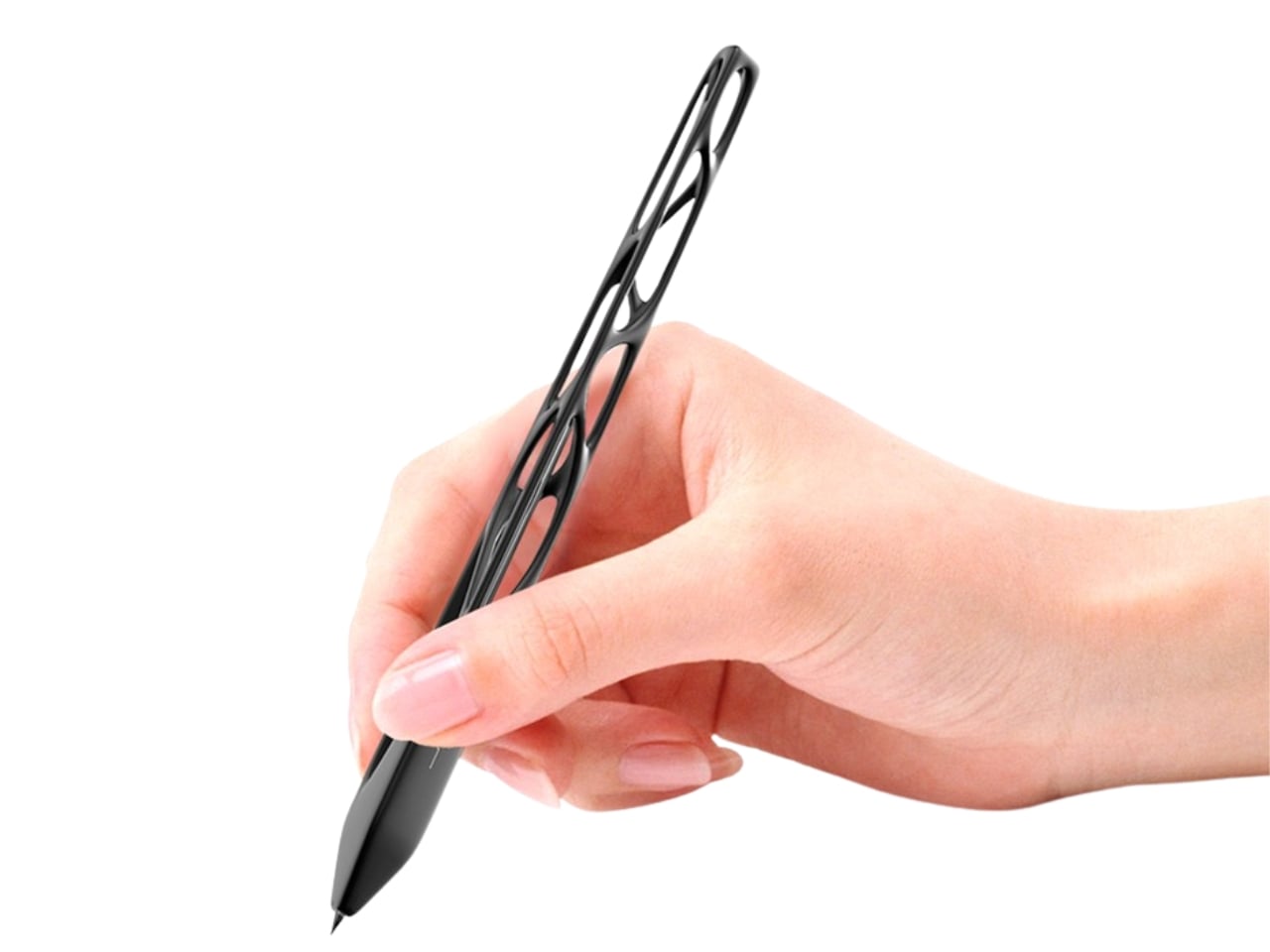
"Pulse is what Ensaniat calls a "floating pen," and that description actually makes sense once you see it. Drawing inspiration from the quiet, effortless drift of clouds, the pen feels less like a writing instrument and more like a small sculptural moment on your desk. It's the kind of object that makes you pause, which is pretty rare when we're talking about something as mundane as a pen."
"What makes this design really interesting is how it blends old-school craftsmanship with cutting-edge technology. The pen features biomorphic patterns that look like they grew organically rather than being designed, and they're created using lost wax casting in aluminum, silver, bronze, and gold. That's a centuries-old metalworking technique typically reserved for jewelry and art pieces, not everyday writing tools. But that collision of traditional craft and contemporary design thinking is exactly what gives Pulse its unique character."
"Ensaniat, who has a background as an industrial designer at Cisco specializing in consumer electronics, brings a tech-world sensibility to object design. Her approach centers on human-centered design, which basically means she's thinking hard about how we actually interact with objects rather than just how they look on a shelf. With Pulse, that philosophy translates into something that feels natural in your hand while also making you reconsider what a pen can be."
Pulse is a "floating pen" designed to evoke the effortless drift of clouds and act as a small sculptural moment on a desk. The pen won the Golden A' Design Award for 3D Printed Forms and Products. Surface biomorphic patterns resemble organic growth and are produced via lost-wax casting in aluminum, silver, bronze, and gold. The design merges centuries-old metalworking techniques with contemporary design thinking to create a distinctive tactile presence. The creator's industrial design background and human-centered design focus prioritize ergonomic feel and interaction, encouraging users to pause and rethink the role of a pen.
Read at Yanko Design - Modern Industrial Design News
Unable to calculate read time
Collection
[
|
...
]